The Federal Government(FG) has launched a nationwide registration exercise to build a central database of Nigerians aged 15 to 35, with the data expected to guide how young people are linked to jobs, skills training and other opportunities.
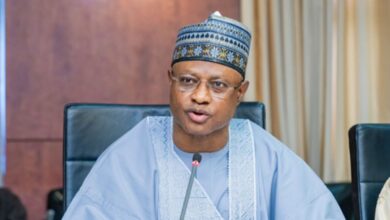
The initiative, known as the National Youth Data Bank (NYDB), was unveiled in Abuja by the Minister of Youth Development, Ayodele Olawande. The registration covers young Nigerians in both formal and informal sectors, including agriculture, sports, technology and the creative industries.
Olawande said the project is designed to help the government answer four basic questions: who Nigerian youths are, where they live, what they can do and what opportunities they need.
He described the database as a continuous government programme rather than an electoral exercise.


“We even want to know the youth in agriculture. We want to know the youth in sport. We want to know all those in creative tech and all that, so that even when we say some people need jobs, we know, okay, these people need skills,” the minister said.
The exercise will extend beyond universities and other major institutions. Otunba Oluyinka Akerele, Managing Director and Chief Executive Officer of POGMA Nigeria Limited, the project’s technical partner, said registration points had been created in secondary schools, polytechnics, universities and colleges of education.
He said the government also plans to deploy enumerators across Nigeria’s 774 local government areas, including hard-to-reach communities. The arrangement is intended to bring informal-sector workers and rural youths into the database, alongside students and young people in formal employment.
READ RELATED NEWS UPDATES
This is significant because a youth programme can only target people effectively when government has reliable information about the population it seeks to serve. A database showing location, skills and areas of need could help ministries and agencies identify gaps before designing interventions.
It could also give policymakers a clearer picture of young Nigerians outside classrooms and offices, including farmers, artisans, athletes, entertainers, technology workers and job seekers.
Akerele said the registration would be updated periodically. Nigerians below 15 would subsequently be captured once they reach the eligible age.
The initiative, however, will ultimately be judged by what happens after registration. A database can identify a young person’s skills or needs, but the information must translate into accessible opportunities, training, employment and other measurable support.
The government has therefore started with identification. The larger task will be turning millions of individual records into programmes that young Nigerians can actually feel in their schools, workplaces, businesses and communities.