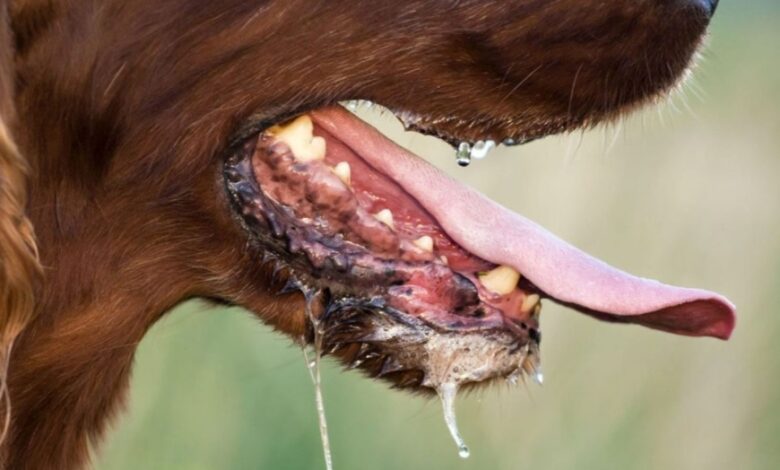
The Federal Government (FG) has set 2030 as its target for eliminating dog-mediated rabies in Nigeria and has placed mass vaccination of dogs, faster treatment for bite victims and stronger disease surveillance at the centre of the campaign.
The commitment was announced at the 2026 World Rabies Day Symposium in Abuja, where the government called for closer cooperation between veterinary, human-health and environmental agencies.
Permanent Secretary of the Federal Ministry of Livestock Development, Dr Chinyere Akujobi, described rabies as a preventable disease with devastating consequences once symptoms develop.
She said dogs account for more than 99 per cent of human rabies deaths globally and stressed that responsible ownership, animal vaccination, prompt treatment after exposure and reliable surveillance can prevent fatalities.


“Rabies deaths can be prevented through responsible animal ownership, vaccination, timely access to post-exposure prophylaxis, and effective surveillance,” Akujobi said.
The ministry, she disclosed, procured 26,000 doses of rabies vaccine last year and is sourcing additional supplies to support a coordinated national vaccination programme.
But the size of the vaccine stock is only one part of the challenge.
READ RELATED NEWS UPDATES
Why vaccinating dogs matters
Rabies is transmitted through the saliva of infected animals, usually through bites or scratches. Once clinical symptoms appear, the disease is virtually 100 per cent fatal.
Even at that, death after exposure is preventable when victims receive appropriate care quickly. The World Health Organisation (WHO) says proper wound treatment and timely post-exposure prophylaxis, comprising vaccination and, where necessary, rabies immunoglobulin, is almost 100 per cent effective in preventing death.
WHO also identifies mass dog vaccination as the most effective way to stop transmission at its source. It says vaccinating at least 70 per cent of dogs in at-risk areas is the accepted threshold for effective control.
This explains why the Federal Government is seeking annual mass vaccination rather than relying mainly on treating people after they have been bitten.
Akujobi called on state and local governments, traditional institutions and dog owners to participate actively in the campaigns.
The treatment gap matters too
The government’s strategy also faces another test which is to ensure that a person bitten by a suspected rabid animal can quickly find the required treatment.
WHO classifies exposures according to their severity. Minor scratches or abrasions without bleeding require immediate vaccination, while serious bites or scratches that break the skin may require both vaccination and rabies immunoglobulin.
The Chief Veterinary Officer of Nigeria, Dr Samuel Anzaku, identified inadequate vaccination coverage, limited access to treatment, weak surveillance and insufficient funding as obstacles to controlling the disease.
He advocated a coordinated One Health response involving veterinary, human-health and environmental authorities.
That approach matters because rabies does not fit neatly into one ministry. The animal-health system must identify and control the source, the health sector must treat exposed people, while communities provide the first line of reporting and prevention.
Children face a major risk
The campaign also carries a particular warning for children.
WHO estimates that about 40 per cent of people who die from dog-mediated rabies globally are children under 15. The organisation says poorer and rural communities carry a disproportionate share of the burden.
Representatives of WHO at the Abuja symposium therefore highlighted the need to protect children, while the Core Group Partners Project pledged support for community surveillance and increased demand for vaccination at grassroots level.
The 2030 deadline is part of a global effort known as Zero by 30, which seeks to end human deaths from dog-mediated rabies by 2030. WHO estimates that about 59,000 people die from rabies worldwide each year, with children accounting for a substantial proportion of the victims.
For Nigeria, the target means the next four years will have to translate policy commitments into visible action: more vaccinated dogs, functioning surveillance systems, accessible post-exposure treatment and communities that know what to do immediately after a bite.
The 26,000 doses procured last year provide a starting point, but the real measure of the programme will be how many dogs are reached and how quickly exposed Nigerians can obtain life-saving treatment.
As the Federal Government pushes towards 2030, the message from public-health authorities is clear: preventing rabies begins with controlling the disease in dogs, but ending deaths requires the animal, health and community systems to work together.