For families living in parts of northern Nigeria, a kidnapping can wipe out years of savings in a matter of days.
When a relative is taken, the first concern is getting the person back alive. But raising the ransom often comes with another problem: where will the money come from?
Some families turn to relatives. Others borrow, sell belongings or use whatever savings they have. For households whose income depends on farming, trading or small businesses, the financial consequences can continue long after the victim returns home.
The scale of Nigeria’s kidnapping problem shows why the issue has become more than a security concern.


A report by SBM Intelligence found that 7,825 people were abducted in 1,713 kidnapping and related incidents between July 2025 and June 2026. At least 1,142 people were killed during the period.
The report also estimated that ₦7.78 billion was paid in ransom for the release of victims. The figure was more than three times the amount recorded in the previous 12-month period.
The figures are believed to be conservative because ransom payments are rarely made public. Families often keep negotiations private, partly out of fear that publicity could put the victim at greater risk.
The cost goes beyond the ransom
The ransom itself is only part of what families lose.
When a family has to raise millions of naira quickly, assets that provide income can become the first source of cash.
That could mean selling livestock, using business capital or taking loans from friends and relatives.
In some communities, there is little access to formal credit, leaving families dependent on personal networks or informal lenders.
A report by Truth Nigeria, examining the growing ransom economy, documented cases in which families sold property, borrowed money and exhausted their savings to secure the release of relatives.
For a farmer, selling cattle or land may provide enough money to meet a ransom demand, but it can also remove the very asset needed to earn a living.
For a trader, using business capital to pay kidnappers can mean returning to the market with nothing.
That is how a single kidnapping can turn into a longer-term debt problem.
Kidnapping has become a business
Security analysts say the financial incentive is one reason kidnapping remains so difficult to stop.
The SBM Intelligence report described kidnapping as an increasingly organised criminal industry, with armed groups using ransom proceeds to sustain their operations.
Reuters reported that the number of people abducted between July 2025 and June 2026 was 66 per cent higher than in the previous year. At least 1,142 people were killed, while confirmed ransom payments reached ₦7.78 billion, or about $5.8 million.
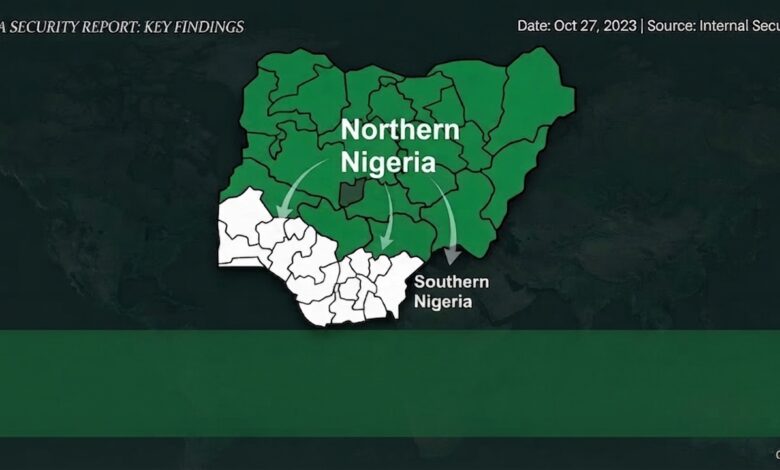
The report also found a difference between where most kidnappings occurred and where the largest ransom payments came from.
While the north-west recorded more incidents and victims, about 90 per cent of the recorded ransom payments in the north-east were attributed to Boko Haram, according to SBM Intelligence. Reuters said Boko Haram was estimated to have received about ₦7 billion, mainly from two mass abduction incidents.
That distinction matters because it shows how different criminal and insurgent groups are using kidnapping.
READ RELATED STORY
Kogi, Edo deploy drones after Okene–Auchi kidnapping
Northern group backs grassroots campaign on Tinubu’s economic reforms
Northern leaders warn followers against supporting Obi, Kwankwaso
Schools, farms and roads affected
The consequences are not limited to the families of victims.
When parents fear that their children could be abducted, school attendance can suffer. Farmers may avoid fields located far from secure communities. Transporters and traders can also become reluctant to use routes considered dangerous.
Reuters reported that the resurgence of school abductions is already affecting education, farming and public confidence.
In one of the major incidents cited in the report, 315 pupils and staff were abducted from a school in Papiri, Niger State, in November.
The danger has also spread to places that were traditionally considered relatively safe.
In August, armed groups attacked several communities in Niger State. A video later surfaced showing what residents said were hundreds of abducted women, children and elderly people. Reuters reported that residents identified relatives among those shown in the footage, although authorities had not immediately confirmed the number.
Another attack in the state saw scores of people abducted from a mosque during Friday prayers. Local sources told AP that between 60 and 80 people were taken, while police confirmed the attacks without giving a figure for the number abducted.
The difficult ransom question
For security officials, ransom payments present a difficult dilemma.
Families want their relatives home safely. Refusing to pay can leave victims in captivity, sometimes for weeks or months.
But every successful ransom payment can also encourage another kidnapping.
Kehinde Giwa, a security analyst at SBM Intelligence, told the Associated Press that paying ransom for one kidnapping can effectively create the conditions for another.
That creates a painful choice for families: protect a loved one now or worry about whether the payment will help sustain the criminal network responsible.
For most families, there is no real choice. They pay if they can.
The debt after freedom
The return of a kidnapped relative is supposed to be the end of the ordeal.
For many families, it is not.
There may be debts to repay, businesses to rebuild and farms or livestock to replace. The victim may also require medical or psychological support after spending weeks in captivity.
These costs are difficult to capture in official ransom figures.
The ₦7.78 billion recorded by SBM Intelligence measures ransom payments. It does not fully capture lost income, damaged businesses, sold property, disrupted education or the cost of rebuilding a household after an abduction.
That is why the kidnapping crisis should not be measured only by the number of people taken or the amount paid to their captors.
Behind every ransom figure is a family that had to find the money.
And when that money comes from savings, loans, livestock, property or a business, the consequences can remain long after the kidnappers have released their victim.
For northern Nigeria’s increasingly vulnerable communities, kidnapping is therefore becoming not only a fight over security, but also a fight over economic survival.