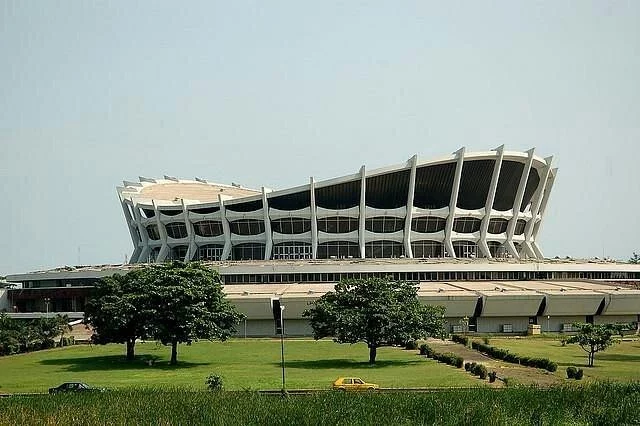
The National Theatre of Nigeria has inaugurated its Creative Summit in Kano, marking the first time the initiative has taken place outside Lagos. The move aims to enhance access to skills for Kannywood.
Spanning two days, the programme brings together practitioners from the creative economy for discussions centred on access to funding, financial literacy, and practical skills development.


LEADERSHIP reports that the summit is designed to broaden access to the essential tools and opportunities that underpin the creative economy, reaching practitioners beyond the urban centres where such resources are typically concentrated.
Kano was chosen as the inaugural city in recognition of its prominent role in Nigeria’s creative landscape, as the home of Kannywood—one of the country’s major film industries—and its rich heritage in the performing arts.
At the opening ceremony, Mrs Tola Akerele, general manager and CEO of the National Theatre, emphasised that the selection of Kano was intentional.
“The summit exists because that same energy and creativity thrive in every corner of this country, not solely in Lagos.
“Its purpose is straightforward: to decentralise access to the tools, knowledge and opportunities that fuel the creative economy, placing them within reach of practitioners well beyond the cities where they are typically found.
“I hope this summit will prove impactful and transformative for everyone who walks through these doors over the next two days,” she stated.
Mrs Akerele noted that a programme focused on funding, financial literacy, and skills development rightly belongs in Kano, “not as an afterthought, but as an acknowledgement of what this city has consistently contributed to Nigeria’s creative scene.”
The programme is delivered in partnership with the European Union, iDICE (Investment in Digital and Creative Enterprises), and the Kano State Government.
Hajiya Aisha Lawan Saji Rano, the Honourable Commissioner for Culture, Tourism, and Creative Economy, delivered opening remarks on behalf of the state, reiterating Kano’s significant position in Nigeria’s creative narrative. She cited the Kofar Mata dye pits and the ancient city walls as evidence of a heritage the state is now building on.
During his session on intellectual property, Audu Maikori, Chief Strategic Advisor on Intergovernmental Affairs to the Governor of Kaduna State and Chairman of Chocolate City Group, guided participants through practical steps to safeguard their creative works.
He stressed that ownership begins long before a piece of work is completed or released.
“Your work is not protected simply because you created it. It is safeguarded because you can prove you created it, and when,” Maikori remarked. “Most creatives lose their rights well before anyone infringes upon them, often by failing to document their work in the first place.”
Bayo Omoboriowo, Founder of Madhouse by Tikera Africa, followed with a session on financial fitness and business structures. He outlined the financial habits and business frameworks that make a creative practice appealing to investors and funders, framing sound structure as a prerequisite for accessing funding rather than merely a formality that follows it.
Edward Israel-Ayide, Founder and CEO of Carpe Diem Solutions, concluded the day’s sessions with a talk on positioning through effective communication, drawing from his framework, The Visible Expert. He advised participants that visibility grounded in genuine expertise—not self-promotion—is what earns lasting authority in a creative career.