President Bola Tinubu’s claim that Northern Nigeria has gained more than any other part of the country from his economic reforms has triggered different reactions from key regional groups and exposed a deep divide over the impact of his policies on the North.
While the Arewa Consultative Forum and Middle Belt Forum dismissed the claim as inconsistent with the region’s economic hardship, insecurity, and infrastructure challenges, the Northern Christian Association said the North had benefited from major federal projects under the administration.
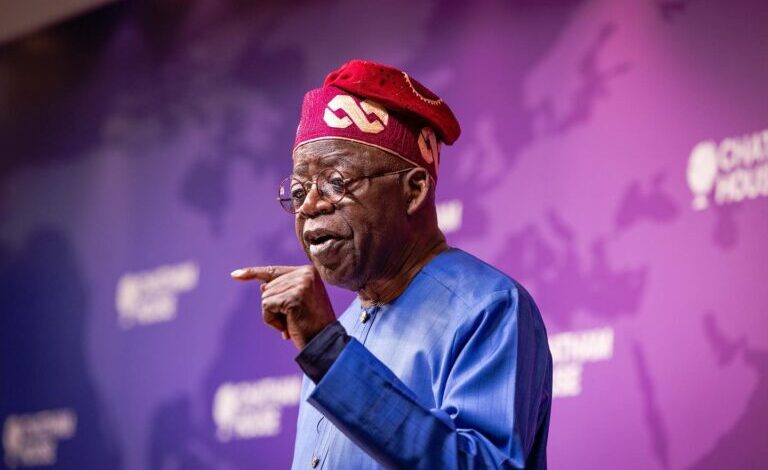
Tinubu made the claim while addressing the second edition of the Asiwaju Scorecard Series, a policy roundtable organised by the APC Professionals Forum in Abuja. He was represented at the event by the APC National Chairman, Prof Nentawe Yilwatda.
The President said the removal of fuel subsidy, which he described as a difficult but necessary decision, had redirected public resources towards productive investment.
He also cited rising foreign reserves, improved non-oil revenue, stronger merchandise trade and economic growth as evidence of progress under his administration.
Tinubu said gross external reserves had reached about $52.7bn by August 2026, while consolidated non-oil revenue increased from approximately N13.63tn in 2023 to N16.4tn in the first two quarters of 2026.
He added that Nigeria’s merchandise trade surplus rose from about N44.8bn in 2023 to N7.54tn in the first quarter of 2026. Real GDP growth also reached 4.43 per cent in the second quarter, while inflation eased to about 15.4 per cent.
But the President’s assessment met resistance from the ACF and MBF.
ACF spokesman, Prof Tukur Muhammad Baba, described the claim as “surreal” and “cynical” and said it was difficult to reconcile with conditions in the region.
Baba pointed to insecurity, difficulties facing agriculture, poor infrastructure, education challenges, and rising poverty. He also questioned whether the North could be described as the principal beneficiary when many residents were struggling with economic and security pressures.
The MBF national president, Dr Bitrus Pogu, also rejected the assertion, describing it as “funny”.
Pogu said the subsidy removal and the introduction of Compressed Natural Gas (CNG) had affected Nigerians across geographical lines.
“It is unfortunate that a policy that affects the whole of Nigeria would be applied to the benefit, specifically, of a section of the country,” he said.
The ADC also entered the debate, maintaining that it would restore fuel subsidy if elected in 2027. Its National Publicity Secretary, Bolaji Abdullahi, described the policy as central to the party’s response to the rising cost of living.
The APC Professionals Forum defended the President’s position. Its Board of Trustees chairman, Dr Isa Yuguda, said subsidy removal had saved more than N15tn and created fiscal room for investment in areas including education, security, agriculture and infrastructure.
Yuguda cautioned against restoring the old subsidy system, which he said had suffered from leakages and fraudulent practices.
Northern Christian Association (NCA) chairman, Rev John Hayab, offered a different assessment from the ACF and MBF. He said major road projects and federal investments showed that the North had benefited from the administration.
Hayab cited the Akwanga-Maiduguri, Jos-Jalingo and Kaduna-Birnin Gwari-Mokwa-Lagos corridors, alongside projects in Southern Kaduna.
“Buhari didn’t perform and they are doing better than his,” Hayab said.
He acknowledged that insecurity, hunger, and poverty still pose serious challenges.
The competing assessments have placed the lived experience of Northern Nigerians at the centre of the political debate over Tinubu’s reforms ahead of the 2027 elections.