Image
Before smartphones existed, landlines were bolted to kitchen walls. If seniors had an accident and couldn’t dial the telephone, they remained in a vulnerable position, hoping someone showed up.
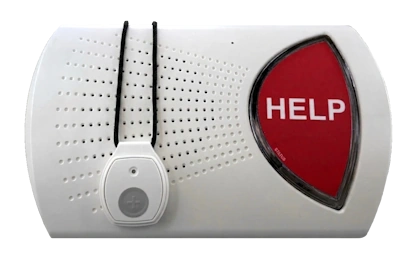
The very first emergency buttons were invented to solve this problem. If the user falls, they press the button, and a signal goes out to a loudspeaker box sitting in the living room. That box was plugged straight into the telephone wall jack, automatically initiating a call to an emergency center.
While this technology became an almost instant hit, the design had notable weaknesses. The radio wave emitted from the wearable device was very weak and was easily interrupted by thick walls or long distances.

For instance, if an accident occurred by the mailbox or in the basement, the signal would disappear. It never reached the base station, no call ever went out to the dispatch unit, and the user remained helpless.
Understanding what makes today’s best emergency systems requires looking back at how these old wall-plug systems worked and how modern space satellites and cell towers eventually replaced them.
This article explores the evolution of emergency response systems, from early wall-plug emergency buttons to today’s satellite- and cellular-based solutions.
1. Early Emergency Systems Were Plugged to the Wall
Image
Although a far cry from the best medical alert for seniors today, the first instalments of emergency systems were a revolution in their time. Earlier versions were made with copper telephone wires that were already common in many houses.
The main piece was a heavy plastic base station users could plug into a standard electrical outlet for power. It also had a telephone cord connected directly from the base into the wall.
The unit had an even smaller piece of equipment: a special button. Users could wear them on a rubber wristband or a neck lanyard.
Pushing this red button sends a short-range radio wave into the atmosphere. The outside antenna catches this radio signal from the indoor base station. Upon receiving the signal, a telephone line opens, and a live call gets to the dispatch operator. With this, the base station’s loudspeakers project a loud voice, allowing a two-way conversation to transpire across the room.
2. Modern Cell Towers Replaced the Phone Cord
Image
As time passed, home telephone lines became extinct in millions of houses as people gravitated towards cell phones instead. Since houses no longer used landlines, the heavy emergency base stations had to get an upgrade.
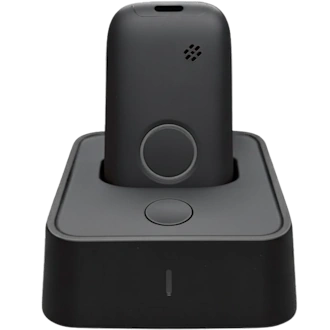
A tiny cellular computer chip was placed inside the new base stations instead of a phone cord. Although users still plugged the boxes into a power outlet in the living room, call signals were sent using modern smartphone service towers. Since telephone wires were no longer needed, it became easier to move the base station to different rooms. That way, if a power outage happened, backup batteries kept the box running for a few days.
While this upgrade was crucial, more questions still needed answers. The system was still built around the house, making it unsuitable for active adults. For example, if you drive to the grocery store or walk around the park, the button was totally useless. That meant the living room box was too far away to receive the radio signal.
3. Whole System Was Crammed into a Pendant
Image
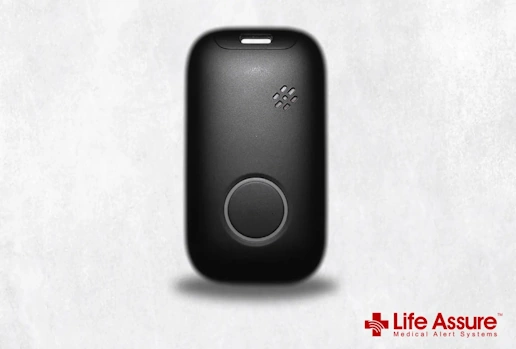
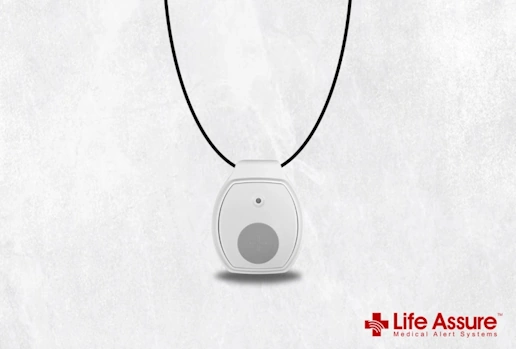
To ensure that users can always get help from anywhere in town, the heavy living room base station had to be resized and no longer home-bound. Engineers systematically crammed a cell phone antenna, microphone, and loudspeaker into a box the size of a matchbox.
If the user presses a button while on a park bench, the call goes off from the necklace. The pendant clearly echoes the operator’s voice while simultaneously picking up the wearer’s responses via a small inner microphone. Connected to nationwide cell towers, users can now place emergency calls from cars, restaurants, and sidewalks miles away from home.
Modern pendants also come with GPS tracking chips to make sure that first responders go to the right location. By pushing the button, radio signals bounce down from satellites. The satellite calculates the exact street address and sends it to the operator so that they can quickly locate the wearer.
4. Modern Mobile Systems Sense a Fall Before a Button is Pushed
A hard fall can make even healthy people unconscious. According to the World Health Organization, it is the most common and potentially life-threatening accident among people over 60. An unconscious person cannot press the emergency button. To prevent tragedies in these scenarios, automatic fall detection has become an essential feature in modern systems.
Modern wearables come with special motion sensors. These tiny sensors constantly measure the speed of the pendant’s movement and the angle it tilts at. If it senses a sudden, fast drop with a heavy crash and prolonged stillness, its chip registers a fall incident. It instantly places a call through to the help center automatically.
Safety You Can Wear
Emergency monitoring has evolved significantly. From a phone line-wired base to a network of satellite-connected technologies, fall-detecting mobile devices are shaping the future.
While traditional landline boxes provided the foundation for home safety, modern systems make help accessible from virtually anywhere.
It gets easier once you understand how location tracking, cellular connections, automatic fall sensors, and sleek designs operate. Thanks to innovation, anyone can select the right balance between personal freedom and reliable emergency support for their home.