The UK has announced new sanctions targeting Israeli settlements in the occupied West Bank, including a planned ban on settlement goods entering Britain and restrictions on companies involved in settlement expansion. Foreign Secretary Ed Miliband unveiled the measures in Parliament on Tuesday, 8 September, saying Britain could no longer simply condemn developments that it believes are undermining a future Palestinian state.
The main trade restrictions will not take effect immediately. Miliband said legislation for the new sanctions regime is expected to be in place within six to nine months, while some measures against individual settlers are being introduced straight away.
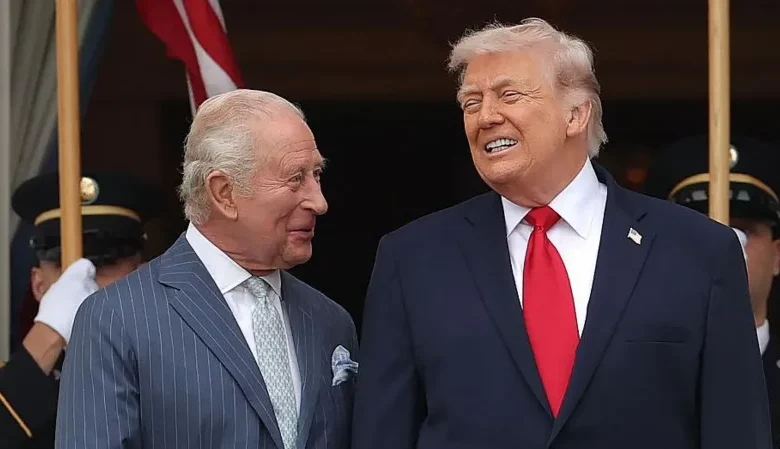
The move comes despite criticism from the United States, Israel’s closest ally. Prime Minister Andy Burnham spoke to US President Donald Trump on Monday and stressed the importance of a two-state solution ahead of the announcement. The US ambassador to Israel has also publicly criticised Britain’s approach.
The measures mark a significant hardening of Britain’s policy towards Israeli settlement activity, but they are not a general boycott of Israel.


What the UK sanctions will cover
Miliband told MPs that Britain would introduce a ban on imports from settlements that the UK regards as illegal under international law.
The government also intends to target companies and individuals providing services that support settlement expansion, including construction, infrastructure, finance and property-related activity.
Advertising Israeli settlement property in the UK will also be prohibited under the planned regime.
There will be what Miliband described as “appropriate religious exemptions”, although the government has yet to publish the detailed regulations explaining how those exemptions will operate.
The Foreign Secretary stressed that the measures are aimed at settlements and settlement expansion, rather than Israel as a whole.
Britain will continue trading with Israel inside the internationally recognised pre-1967 boundaries, sometimes referred to as “Green Line Israel”. Miliband also said he opposed the wider Boycott, Divestment and Sanctions campaign against Israel.
The government is also tightening export controls. Applications for arms and other exports that materially contribute to the occupation will be refused, according to the Foreign Secretary.
Miliband makes ‘ethnic cleansing’ accusation
During his Commons statement, Miliband said the British government believes that Palestinians are being subjected to what he described as “ethnic cleansing” in parts of the West Bank by settler extremists.
He accused the Israeli government of frequently failing to prevent such conduct and said some members of the government had supported policies contributing to Palestinian displacement.
The accusation is serious and strongly disputed by Israel.
Israeli Foreign Minister Gideon Sa’ar accused Miliband of making what he called “outrageous lies” and described Britain’s measures as a distorted intervention in Israeli affairs.
Israel later announced retaliatory steps, including plans to close the British consulate in East Jerusalem and restrict some UK involvement in programmes linked to the Palestinian Authority.
E1 settlement plan drives UK action
A major factor behind Britain’s tougher position is the E1 settlement project, a strategically important area east of Jerusalem.
The UK government argues that development there would divide Palestinian territory and make a viable, geographically connected Palestinian state harder to achieve.
New Daily Prime previously reported on Israel’s plans to advance construction in E1 and the international criticism surrounding the project.
Read New Daily Prime: Israel advances plans for major E1 settlement in occupied West Bank
The UK condemned a new Israeli tender for the project in August, with Miliband saying E1 risked separating the West Bank from East Jerusalem and damaging prospects for a negotiated two-state settlement.
Israel disputes the international legal characterisation of the West Bank as occupied territory and argues that Jewish people have historical claims to the area. Most governments, including Britain, and UN bodies regard Israeli settlements in the occupied West Bank as illegal under international law.
Britain acts alongside France and Canada
The UK is not acting alone.
France and Canada are also moving to prohibit imports from Israeli settlements, while a wider group including Denmark, Finland, Ireland, Norway, Poland, Portugal, Spain and Sweden has backed national or European measures against settlement trade.
The countries said settlement expansion and rising violence were threatening the possibility of Israelis and Palestinians eventually living alongside one another in two states. NewDailyPrime has previously covered the growing international movement towards recognition of a Palestinian state. Read: Canada to recognise Palestinian state.
The latest sanctions therefore form part of a wider diplomatic shift rather than an isolated UK measure.
What readers should know
The UK has not imposed a blanket trade ban on Israel. The new policy targets goods, companies and individuals connected to Israeli settlements in the occupied West Bank. Some sanctions against extremist settlers can take effect immediately, but the wider import and business restrictions require legislation and are expected within six to nine months. Israel strongly rejects the UK’s accusations and has already announced retaliatory measures, making the decision a significant new source of tension between London and Jerusalem.
Related news
- Israel advances plans for major E1 settlement in occupied West Bank
- Canada to recognise Palestinian state in September
- Macron presses UK to recognise Palestinian state