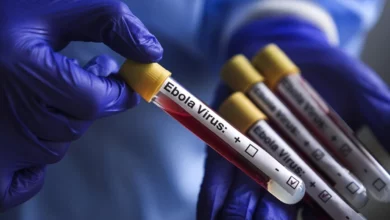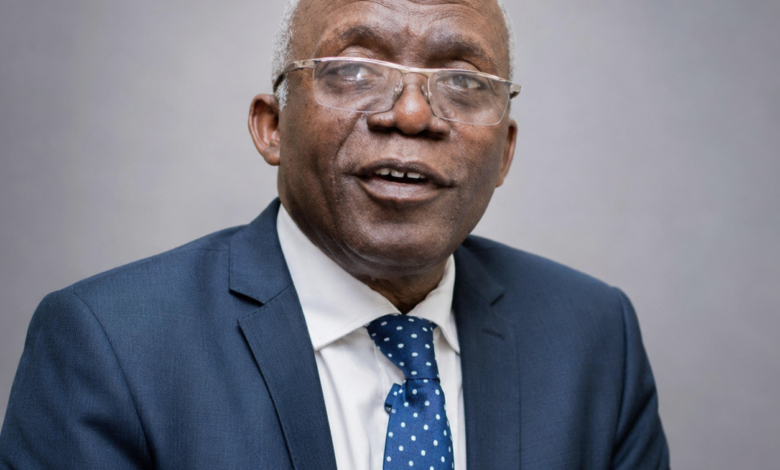
Human rights lawyer Femi Falana has asked Health Minister Muhammad Ali Pate to take charge of Nigeria’s presidential Ebola task force and has raised questions about where leadership should sit as authorities respond to a confirmed imported case.
Senior Advocate of Nigeria Femi Falana has called for an immediate change in the leadership of Nigeria’s Presidential Task Force on Ebola Virus Disease Preparedness and Emerging Public Health Threats, saying the health minister should head the body following confirmation of an imported case.
Falana made the demand in a statement on Thursday where he questioned why the task force is based in the Presidency rather than under the ministry responsible for public health.

He recalled that the Presidency announced on June 9, 2026, that President Bola Tinubu had approved the task force and ordered the immediate release of ₦10 billion in emergency intervention funding.
“Curiously, the Presidential Task Force on Ebola Virus Disease is warehoused in the Presidency,” Falana said. He added that, in view of the newly confirmed case, Pate “should be allowed to take over the Presidential Task Force on Ebola Virus Disease forthwith”.
The intervention shifts attention from the immediate response to a question of institutional responsibility: who should direct the country’s preparedness efforts, coordinate health agencies and account for emergency funding during a public health threat?
The Health Ministry has a central role in disease surveillance, testing, contact tracing and coordination with state health authorities. Placing the task force under the health minister, as Falana proposes, could strengthen the link between political decisions and technical public health operations.
However, the effectiveness of any arrangement will depend on clear responsibilities, rapid decision-making and cooperation among federal agencies and state governments.
RELATED NEWS:
New Daily Prime notes that the ₦10 billion allocation makes transparency as important as leadership. The announcement of emergency funding does not, by itself, establish how much has been released, how the money has been spent or what operational capacity it has delivered.
Public reporting on disbursements, procurement, laboratory readiness and disease surveillance would help Nigerians assess whether the intervention is producing results.
The confirmed imported case has also renewed attention to the need for effective coordination across hospitals, laboratories, border entry points and state response teams.
A leadership change alone cannot contain an outbreak. Authorities must detect possible infections promptly, trace exposed individuals, provide protective equipment to health workers and communicate verified information clearly.
Falana’s statement does not establish that the existing task force has failed or that its location in the Presidency has delayed the response. His demand is a call for a different leadership structure, and the government’s position on that proposal was not included in the report.
The immediate public interest lies in both the health response and accountability for the resources committed to it. Nigerians need timely information on the task force’s command structure, the deployment of the ₦10 billion and the readiness of health facilities to manage suspected cases.
As the response continues, the key measure of leadership will be whether institutions coordinate effectively, emergency funds deliver practical results and the authorities prevent further transmission.
For More News Updates, Visit New Daily Prime News