The International Monetary Fund (IMF) has raised its economic growth forecast for sub-Saharan Africa to 4.5 per cent in 2026, citing the resilience of regional economies despite global energy disruptions, declining development assistance and mounting inflationary pressures.
The revised projection represents an improvement in the region’s economic outlook, although the IMF has warned that external shocks, rising borrowing costs and reduced development assistance could threaten progress.
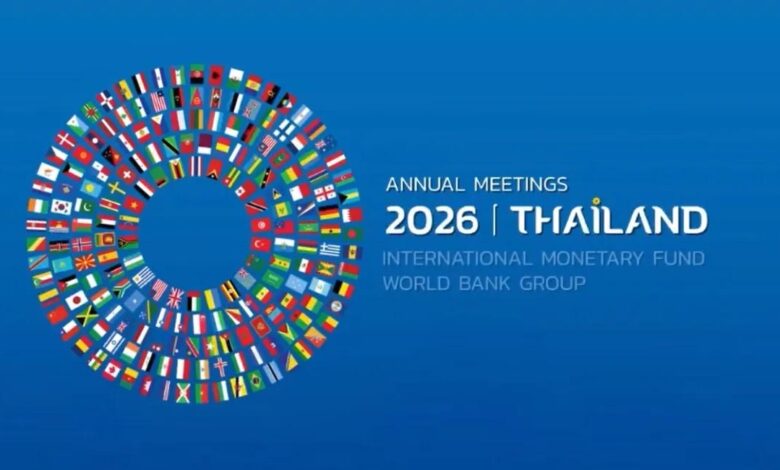
Speaking during the IMF and World Bank annual meetings in Bangkok, Thailand, Zeine Zeidane, director of the IMF’s African Department, said monetary authorities needed to remain responsive to economic developments while prioritising price stability.
“Monetary policy has to remain data dependent, but the focus should be on making sure that you bring inflation to your target,” Zeidane told Reuters.

His remarks underscore the challenge facing African central banks as they attempt to contain inflation without undermining economic growth.
Although several economies have demonstrated resilience amid global uncertainty, rising energy costs and currency pressures could complicate efforts to maintain price stability.
INFLATION AND BORROWING COSTS REMAIN MAJOR CONCERNS
The IMF has warned that inflationary pressures could intensify across parts of sub-Saharan Africa, potentially limiting the benefits of economic growth for households and businesses.
Higher fuel prices, exchange-rate fluctuations and the cost of imported goods remain significant concerns for countries that depend heavily on international markets for energy and essential commodities.
Zeidane also cautioned that borrowing could become more expensive for African governments, even where financial markets have shown greater confidence in their economies.
“Despite compressing the spread, the cost of borrowing could continue to rise,” Zeidane said.
The warning highlights the difference between a narrowing risk premium and the overall cost of obtaining finance. Although investors may demand a smaller premium to lend to a country, changes in global interest rates and other financing conditions can still push borrowing costs higher.
For governments already facing substantial debt-servicing obligations, more expensive financing could leave fewer resources available for infrastructure, healthcare, education and other essential public services.
DECLINING FOREIGN AID ADDS TO ECONOMIC PRESSURE
The reduction in international development assistance represents another challenge for African countries.
The IMF has warned that declining aid could place additional pressure on governments that depend on external funding to support public health programmes, education, humanitarian operations and infrastructure development.
With fewer resources available from traditional development partners, governments may need to strengthen domestic revenue collection, attract private investment and improve the efficiency of public spending.
The situation also raises concerns about whether governments will be able to sustain social programmes while meeting their financial commitments.
AFRICAN COUNTRIES SEEK GREATER VALUE FROM NATURAL RESOURCES
Despite these challenges, several African countries are pursuing reforms designed to strengthen domestic industries and retain more economic value from their natural resources.
Efforts to expand local processing, improve infrastructure and develop manufacturing capacity could help countries reduce their dependence on exporting unprocessed commodities.
Projects such as Guinea’s Simandou iron ore development illustrate the scale of investment being directed towards the continent’s natural-resource sector.
The IMF has also highlighted the potential of artificial intelligence and other emerging technologies to improve productivity in sectors such as agriculture, healthcare, education and public administration.