Nigeria and other developing countries are seeking a stronger voice in international debt discussions as rising repayment costs consume public revenue that could otherwise fund hospitals, schools, roads and other essential services.
The campaign gained momentum on Monday in Bangkok, Thailand, where finance ministers, central bank governors and senior officials from developing countries gathered for the first Governing Council meeting of the United Nations-backed Borrowers’ Platform.
Coordinated by the United Nations Conference on Trade and Development (UNCTAD), the initiative is designed to help borrowing countries share expertise, access debt-related information and participate more effectively in discussions that shape their financing conditions.
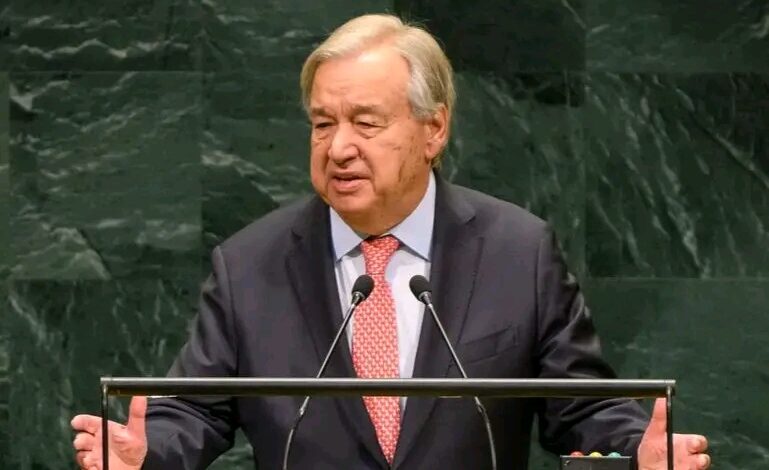
UN Secretary-General António Guterres said developing economies faced mounting pressure from geopolitical tensions, armed conflicts, trade disruptions, climate challenges, limited financing and expensive debt obligations.


“Today, you are taking a seat at the table,” Guterres said, while describing the platform as an opportunity for borrowing countries to strengthen cooperation and develop practical responses to their shared challenges.
The central concern is that debt repayments are competing with development spending. According to UNCTAD, interest costs in developing countries have increased much faster than government revenues over the past decade. This leaves governments with less room to finance public services, invest in infrastructure or respond to emergencies.
READ RELATED NEWS UPDATES:
Nigeria faces direct budgetary consequences from this pressure. Money committed to servicing domestic and external debt cannot be spent on other priorities at the same time. When repayment obligations rise faster than revenue, the government may face difficult choices involving new borrowing, spending cuts, higher revenue collection or delayed projects.
Ordinary Nigerians could also feel the effects. Reduced funding for infrastructure can slow road construction and electricity improvements, while tighter health and education budgets can limit service delivery. Businesses may face additional costs when weak public infrastructure raises the price of transporting goods or operating across the country.
However, the size of a country’s debt alone does not tell the full story. Interest rates, repayment schedules, exchange-rate movements, revenue generation and the terms of individual loans all influence how manageable its obligations become. Foreign-currency debt can be particularly expensive when a country’s currency loses value against the currency used for repayment.
The Borrowers’ Platform aims to help participating governments understand these risks and improve their negotiating capacity. Its proposed work includes sharing country experiences, identifying common technical needs, improving access to debt information and expanding opportunities for technical assistance.
The initiative does not provide collective debt restructuring or replace existing international mechanisms. Countries will still have to manage their own obligations and pursue negotiations through the relevant channels. The platform is intended to improve their preparation and coordination rather than cancel debts or automatically secure cheaper loans.
Its effectiveness will depend on whether participating countries turn shared knowledge into stronger debt management, better financing decisions and more informed engagement with creditors.
Nigeria’s participation offers an opportunity to learn from other economies facing similar pressures. Even at that, cooperation alone cannot resolve the country’s fiscal challenges. Sustainable improvement will also depend on stronger revenue collection, disciplined borrowing, transparent use of borrowed funds and investments capable of supporting economic growth.
The key test is whether a stronger borrower voice can help governments secure more manageable financing terms without sacrificing the public investments needed to improve living standards.
For More Details, Visit New Daily Prime News