The Federal Government has said the Nigerian National Petroleum Company Limited‘s retail arm will absorb the cost of its petrol discount by giving up part or all of its retail profit margin, without drawing money from public funds.
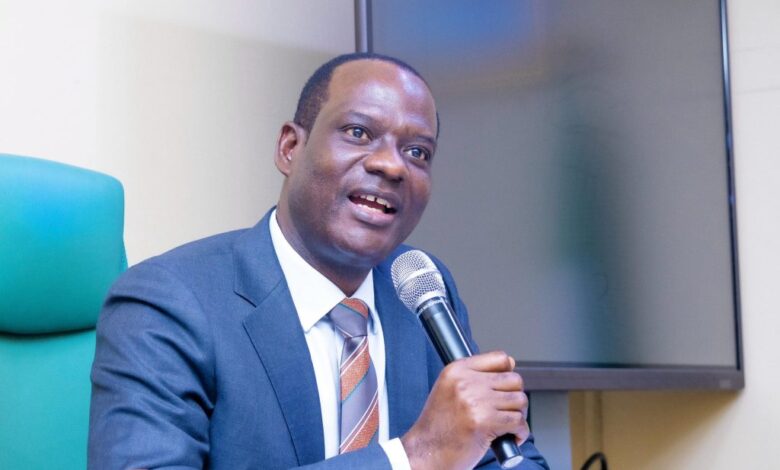
Finance Minister Taiwo Oyedele gave the explanation in Abuja on Friday, 9 October 2026, as the government defended the arrangement against claims that it amounted to a return of the petrol subsidy abolished in 2023.
He said NNPC Retail Limited would buy petrol at market prices from the Dangote Refinery and other suppliers but reduce the margin it adds before selling the product to customers.
The arrangement was announced by the Presidency on Thursday as part of measures to ease the pressure of global oil-price changes on households.

READ RELATED NEWS
Lower inflation, rising fuel costs keep Nigerians under pressure
Unions demand local crude sales to refineries to lower fuel prices
Public servants demand N500 petrol, wage award from Tinubu
President Bola Tinubu backed the decision, with the Presidency maintaining that the discount did not restore the former subsidy system.
In a release issued by the Federal Ministry of Finance, Oyedele said the distinction lay in who paid for the reduction in pump prices. Under the current arrangement, he said, NNPC Retail would bear the cost through lower earnings on each litre sold.
Government draws line between discount and subsidy
Oyedele said the discount should not be confused with a subsidy because the government would not pay any part of the petrol price on behalf of consumers.
He explained that a retail discount occurs when a seller reduces its profit margin and passes the saving to buyers. A subsidy, by contrast, requires the government to use public revenue to cover part of the price.
“A subsidy is different. It is when government pays part of the price the consumer would otherwise pay. That money comes from public revenue — funds that would otherwise go to salaries, schools, hospitals and infrastructure. That is the regime this administration ended in 2023, and it is not coming back,” he said.
The minister also stated that neither the federal budget nor the Federation Account would fund the discount.
The Federation Account receives revenue shared among the federal, state and local governments. Using money from it to reduce petrol prices would mean public revenue was paying for the relief.
Oyedele said NNPC Retail would continue to obtain petrol from suppliers at market prices and on commercial terms. The difference would be that the company would reduce or temporarily remove its retail margin before selling the product.
He also warned that selling crude oil below market prices could amount to a subsidy if public revenue had to cover the resulting financial shortfall.
The explanation follows the government’s decision to end petrol subsidies in 2023. The latest arrangement is intended to reduce the price paid by customers without returning to a system in which public money covers part of fuel costs.
NNPC Retail is a wholly owned subsidiary of NNPC Limited. Established more than 20 years ago, the company operates as a petroleum marketing and retail business.
Oyedele said its purpose included keeping refined petroleum products available nationwide and helping to moderate retail prices, even if that meant accepting lower profits on individual sales.
“Its purpose, in other words, is to keep products available across the country and to moderate retail prices, not necessarily to maximise retail profit,” he said.
Minister says lower margins could support profits
Oyedele also maintained that reducing the profit earned on each litre would not automatically cut NNPC Retail’s total profits or the dividends paid to the Federation.
He said the company could make up for lower earnings per litre by selling larger volumes of petrol and retaining customers who continued to buy from its outlets after the discount period.
“A smaller margin or temporary zero margin on each litre can be more than offset by selling more litres over time. And a discount builds customer loyalty that lasts well beyond the discount period itself,” he said.
The minister said these gains could increase the company’s profits and the dividends paid to the Federation.
His explanation presents the discount as a commercial decision by NNPC Retail, with the company accepting a smaller profit margin in the hope that higher sales and customer loyalty will support its business.
Oyedele also rejected suggestions that the discount would encourage petrol smuggling into neighbouring countries.
He said NNPC Retail’s margin accounted for less than five per cent of the pump price, limiting the extent to which a discount within that margin could affect the price difference between Nigeria and neighbouring countries.
“The retail margin on petrol is less than 5 percent of the pump price. A discount within that margin cannot meaningfully widen the gap between prices in Nigeria and in neighbouring countries, where petrol already costs 20 to 40 percent more,” he said.
He added that the arrangement would not create a new financial incentive for smugglers or the market distortions associated with the former subsidy system.
The minister also listed other measures the government was using to reduce the burden of fuel costs. They include expanding the use of compressed natural gas (CNG) for transport, waiving taxes and duties on petrol, and removing illegal levies that add to transport costs.
He said the measures were intended to provide relief without restoring a subsidy system that the country could no longer afford.
For More News Details, Visit www.NewDailyPrime.news.