“We need to create spaces where we feel safe” — Mo Abudu opens London cinema to promote African films, fights racism

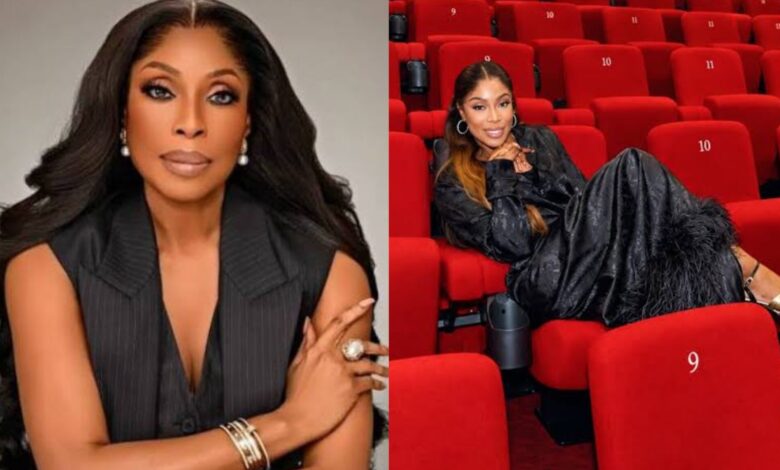
Nigerian media entrepreneur Mo Abudu has launched a permanent cinema in London dedicated to African and Black films, describing the initiative as an opportunity to change how the world perceives and understands their communities.
Abudu said the project was driven by the need to give underrepresented communities greater control over their representation, drawing from her personal experiences growing up in England, where she often found herself answering uncomfortable questions about Africa and Nigeria.
Speaking in an interview with BBC Africa shared on X on Friday, the media executive explained why she believes storytelling is central to confronting racial prejudice.
Why Mo Abudu believes storytelling matters
According to Abudu, changing the narratives surrounding African and Black communities is essential to addressing racism.


She said, “Racism really is real. And the only way to deal with racism is to deal with racism, and it’s by providing a different narrative.”
The media entrepreneur believes that creating platforms dedicated to African content would allow filmmakers and other creatives to present their experiences and cultures from their own perspectives.
She explained that the new cinema would serve as a permanent destination for African cultural productions and other creative expressions.
“This just gives a permanent 24-7 home to our films, to our food, to our fashion,” she said.
Cinema to welcome international audiences
Abudu clarified that the initiative was not intended to prevent African and Black filmmakers from distributing their work through other platforms.
Rather, she believes the cinema would provide a dedicated environment where their productions could reach audiences who might otherwise have limited access to such content.
“It’s not to say that Black and African films can’t sit on other platforms, but I think predominantly because we’re so underrepresented, we need to create spaces where we feel safe and where our content can be shared amongst us,” she said.
She added that the project would also encourage people from outside the community to engage with African stories and culture.
“And also we want to invite the rest of the world in. And the only way that you can achieve that is by being in charge of that narrative,” Abudu stated.
Abudu recalls uncomfortable experiences growing up in England
The media executive also reflected on how her upbringing in England influenced her understanding of the challenges Africans face when their cultures are misunderstood or misrepresented.
She recalled frequently finding herself in the position of explaining African and Nigerian identity to others, sometimes in response to questions she considered inappropriate.
“So being brought up in England, I found myself for the longest time literally being an ambassador for everything that was African or Nigerian. You will be asked the most pathetic questions,” she said.
Abudu noted that such encounters were not always openly challenged, as she and others sometimes chose to tolerate the comments and move on.
“People would sometimes say pathetic things to you, and you kind of just like swallow it and move on,” she added.
Her London cinema represents an effort to create more opportunities for African and Black stories to reach audiences while allowing the communities concerned to play a greater role in shaping their public image.
Watch the video here…
𝐕𝐈𝐃𝐄𝐎: 𝐀𝐟𝐫𝐢𝐜𝐚𝐧 𝐒𝐭𝐨𝐫𝐢𝐞𝐬 𝐃𝐞𝐬𝐞𝐫𝐯𝐞 𝐎𝐰𝐧 𝐒𝐩𝐚𝐜𝐞, 𝐏𝐥𝐚𝐭𝐟𝐨𝐫𝐦 — 𝐌𝐨 𝐀𝐛𝐮𝐝𝐮
Credit: X | BBC Africa
—
Follow us for more breaking news and videos pic.twitter.com/MTaQvLYwHW— Punch Newspapers (@MobilePunch) October 9, 2026