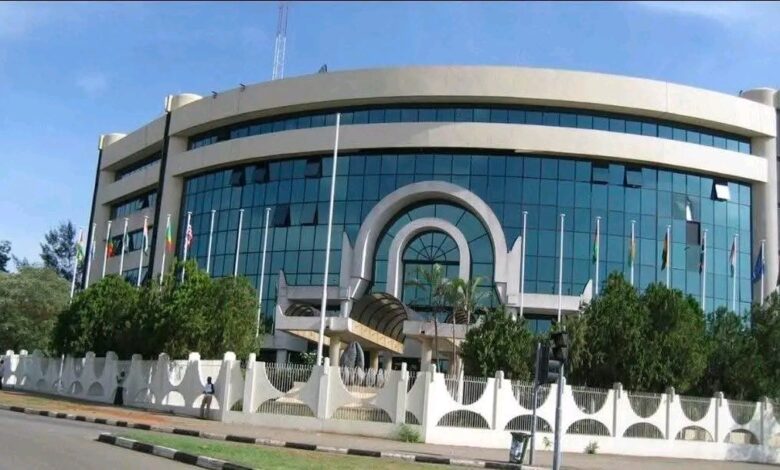
Nearly 500,000 people across The Gambia, Guinea-Bissau and Mali have gained access to electricity through a $225 million regional project, but outstanding work in Mali has raised fresh questions about the initiative’s final delivery and long-term sustainability.
The Economic Community of West African States (ECOWAS) disclosed the achievement at the 10th and final Steering Committee meeting of its Regional Electricity Access Project (ECOWAS-REAP), which opened in Abuja on Tuesday.
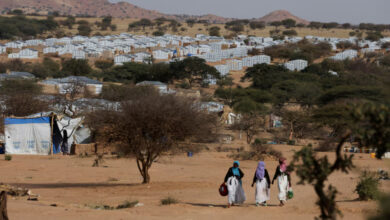
The World Bank-financed initiative has extended electricity infrastructure to 490 localities across the three countries, targeting communities that have historically struggled with inadequate access to power. Its objective is not only to connect underserved settlements but also to strengthen regional energy integration and improve living conditions.
The scale of the intervention is notable. Reaching approximately 500,000 people through 490 localities means the project has taken electricity infrastructure beyond major urban centres into smaller communities where poor access can restrict economic activity, education and essential services.
Reliable electricity can help small businesses extend operating hours, reduce dependence on expensive generators and improve the preservation of food and medicines. Schools, health facilities and other public institutions can also benefit from a more dependable power supply.
However, the number of people reached does not, by itself, establish how consistently electricity is available or how many households have completed connections. That distinction featured prominently in the remarks of Arkadius Koumoin, ECOWAS Director of Energy and Mines and chairman of the project’s steering committee.
Koumoin acknowledged the progress recorded despite disruptions caused by the COVID-19 pandemic and institutional challenges. He maintained that the project’s success should be assessed by the number of households actually connected, rather than activities completed or infrastructure delivered.
RELATED NEWS:
That position places the final phase of the initiative under closer scrutiny. Electricity infrastructure must be commissioned, connected to users and properly maintained before communities can enjoy its full benefits.
Representatives of the participating countries reaffirmed their commitment to completing outstanding activities. However, Mali requested an extension to finish its remaining work, indicating that the project has not reached the same stage of implementation across all three countries.
The meeting is expected to establish the outstanding tasks and arrangements required to protect the investment after the project’s formal closure.
Although ECOWAS announced the overall reach and funding value, the available figures did not provide a country-by-country breakdown of beneficiaries, the number of completed household connections or the amount allocated to each participating nation.
These details will be important in assessing the project’s actual impact and determining whether its gains can be sustained. The $225 million investment has expanded electricity access, but its lasting value will depend on whether the connections continue to serve communities reliably after the funding programme ends.
For More News Updates, Visit New Daily Prime News