Nearly three in every four African adults living with diabetes do not know they have the condition, leaving millions exposed to complications that early testing and treatment could prevent, the World Health Organisation has warned.
An estimated 24.6 million adults aged 20 to 79 were living with diabetes across the WHO African Region in 2024. The figure could rise to 59.5 million by 2050 if current trends persist, placing additional pressure on health systems already struggling with gaps in diagnosis, medicines and specialist care.
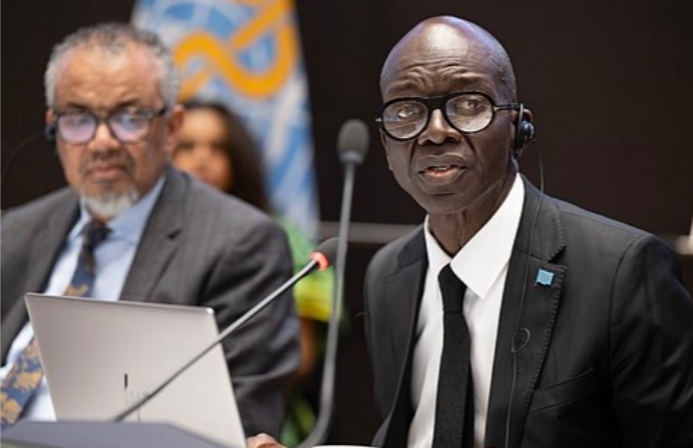
WHO Regional Director for Africa, Dr Mohamed Janabi, disclosed the figures in a message marking World Diabetes Day 2026, observed under the theme Early Action on Diabetes.
The most troubling part of the assessment is the number of people who have not been diagnosed. The International Diabetes Federation estimates that nearly 75 per cent of adults with diabetes in Africa are unaware of their condition. Applied to the WHO’s regional estimate, this suggests that roughly 18 million people may be living with undetected diabetes.


RELATED NEWS:
The consequences can be severe. Untreated or poorly controlled diabetes can damage blood vessels and nerves, increasing the risk of kidney failure, blindness, heart disease and lower-limb amputation.
“Early diagnosis and timely treatment can prevent complications, reduce suffering and save lives,” Janabi said.
He identified increased thirst, frequent urination, unexplained weight loss, persistent tiredness and blurred vision as warning signs. However, diabetes may develop without obvious symptoms, making routine testing important, particularly for people with recognised risk factors.
Why the figures matter for Nigeria
The regional warning has direct implications for Nigeria, where access to routine screening, diagnostic facilities and affordable medicines can determine whether patients discover the disease early or only after complications emerge.
Diabetes is a long-term condition that requires consistent management. Patients may need regular blood-glucose monitoring, medication, dietary adjustments and periodic medical reviews. The cost of these services can become difficult for households when treatment is delayed or interrupted.
WHO says the response must extend beyond public awareness campaigns. Governments need to strengthen primary healthcare, train health workers, improve access to diagnostic equipment and make essential medicines, including insulin, affordable.
The organisation is supporting African countries through its Package of Essential Noncommunicable Disease Interventions, alongside HEARTS and HEARTS-D programmes for cardiovascular disease and type 2 diabetes management.
Janabi also cited Rwanda’s achievement in extending PEN-Plus services to districts nationwide, although he acknowledged that many African countries still face shortages of trained personnel, diagnostic tools and essential medicines.
The target is to improve diabetes prevention and care under the WHO Global Diabetes Compact’s 2030 framework. Achieving that goal will require reliable funding and health facilities capable of providing continuous treatment, not simply testing people once.
With the projected regional caseload approaching 60 million by 2050, the central challenge is that Africa must identify people living with diabetes before preventable complications become life-threatening.
For More News Updates, Visit New Daily Prime News