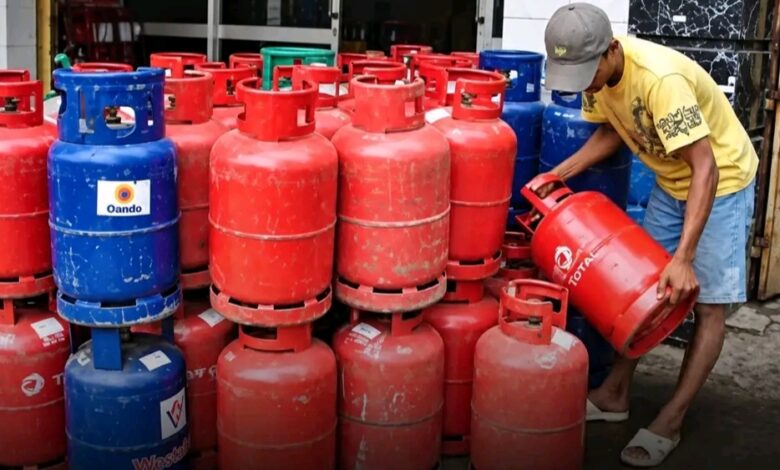
Nigerian households are paying up to ₦22,500 to refill a standard 12.5kg cooking gas cylinder in parts of Lagos and Ogun states, even as increased domestic production has failed to prevent a supply-demand imbalance that is putting fresh pressure on prices.
Retail outlets in the two states are charging as much as ₦1,800 per kilogramme, up from about ₦1,200 a month ago. The 50 per cent increase means consumers now spend an additional ₦7,500 to purchase the same quantity of gas.
Some residents in Magboro, Mowe and Ibafo, Ogun State, reported paying as much as ₦1,900 per kilogramme. At that rate, a 12.5kg cylinder costs ₦23,750, while a 5kg cylinder requires ₦9,500.
The increase has also affected consumers in Oyo State, where neighbourhood retailers sell the product for between ₦1,500 and ₦1,650 per kilogramme. Direct market prices reportedly stand at about ₦1,450, although charges differ across the state’s 33 local government areas.


The immediate pressure comes from the wholesale market. Depot prices reportedly climbed from ₦1,100 to about ₦1,450 per kilogramme, representing an increase of approximately 31.8 per cent. Retailers have transferred much of that increase to consumers, with transportation, handling and operating expenses adding to the final cost.
However, the latest figures reveal a deeper problem than rising depot charges. Data from the Nigerian Midstream and Downstream Petroleum Regulatory Authority (NMDPRA) show that Nigeria’s daily LPG consumption reached 5.2 kilotonnes in September 2026, up from 4.8 kilotonnes in August.
Total daily receipts stood at about 4.7 kilotonnes, leaving a gap of approximately 500 tonnes between consumption and incoming supplies. Domestic sources accounted for 4.5 kilotonnes, while imports contributed only about 200 tonnes daily.
This means local producers supplied roughly 96 per cent of the gas received during the period. Yet, the volume entering the market was still below reported consumption.
RELATED NEWS:
The regulator also put national LPG stock sufficiency at 15.9 days, against a 30-day benchmark. The 14.1-day shortfall leaves the market with a limited buffer against supply disruptions or sudden increases in demand.
The figures help explain why higher domestic production has not automatically translated into cheaper refills. Increased output is important, but consumers also depend on adequate supplies, reliable distribution and sufficient storage.
When incoming volumes fall below demand, competition for available products can sustain upward pressure on wholesale prices.
Price differences between suppliers add another complication. Market data published in November placed the prices at several major Lagos depots, including Navgas, NIPCO, Rain Oil, Techno Oil and 11Plc, between ₦1,370 and ₦1,450 per kilogramme. Dangote Refinery’s reported rate was lower, at about ₦1,150 per kilogramme.
The difference means retailers do not necessarily purchase their stock at the same price. Their eventual charges also depend on where they source the product, transportation expenses and other distribution costs.
Consequently, consumers in neighbouring communities may pay different amounts for the same quantity.
The Federal Government had directed the NMDPRA in June to intensify engagement with producers and marketers and encourage additional LPG imports amid concerns about domestic supply and rising prices.
The September figures, however, show that imports accounted for only a small proportion of total receipts.
The latest increase is already affecting businesses that depend on gas for daily operations. At Magboro, Ogun State, restaurant operator Mrs Ajoke Badmus said the higher cost had disrupted her financial plans and would force her to review meal prices.
Bade Olusanya, a resident of Ogba, Lagos, described the increase as particularly difficult for families already struggling with school fees and house rents.
The Nigerian Association of Liquefied Petroleum Gas Marketers has also criticised the country’s approach to supply management. Its Executive Secretary, Bassey Essien, said Nigeria was not treating gas availability with sufficient seriousness.
“The country is not serious about the availability of gas, it’s just talk,” he said, warning that fragmented supply would continue to expose marketers and consumers to unpredictable market conditions.
In Oyo State, some consumers have reportedly turned to charcoal as the cost of gas climbs. Such a shift could undermine efforts to expand the use of cleaner household fuels, particularly among low-income families who may find it increasingly difficult to afford regular refills.
The immediate challenge for the government is therefore not simply to announce higher production figures. It must ensure that sufficient volumes reach the domestic market, strengthen storage capacity and improve the distribution chain.
Without progress on these fronts, increased local output may offer little relief to households confronting another expensive refill.
For More News Updates, Visit New Daily Prime News