The proposal is particularly aimed at graduates of institutions in African countries, following concerns about the quality and authenticity of some foreign qualifications.
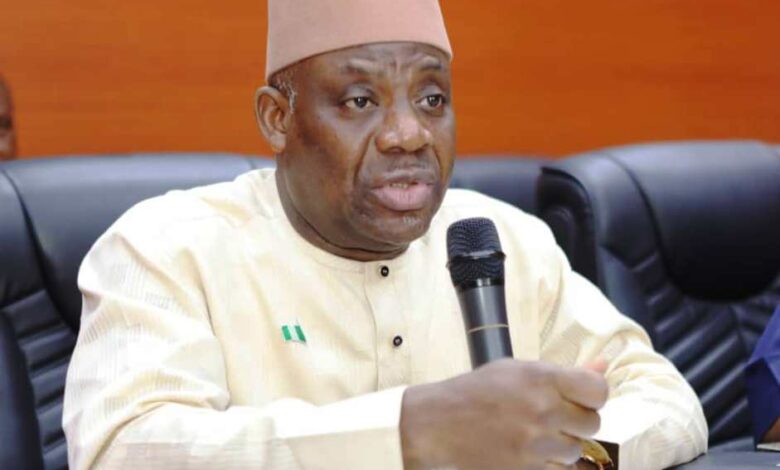
Acting Permanent Secretary of the Federal Ministry of Education, Dr Folake Olatunji-David, disclosed this on Monday at the 37th meeting of the National Standing Committee, NSC, on Evaluation of Foreign Qualifications in Abuja.
She said the proposed test would help determine whether graduates had genuinely acquired the knowledge and skills their certificates claimed.
“Inasmuch as we want to encourage global socialisation, education, and the rest of them because the world is a global village now, we want to maintain standards.

“We want to ensure that, yes, for every certificate given, they are earned, and they can produce people that can contribute positively to our national development.
“I therefore invite this committee once again to consider, if necessary, an assessment test before such graduates are evaluated for NYSC,” she said.
The acting permanent secretary described the committee as important in protecting the country’s education system by ensuring that only genuine certificates from properly accredited foreign institutions were accepted.
She also raised concerns about the increasing cases of forged Nigerian and foreign degree certificates, noting that the ministry was working to tackle the problem.
Olatunji-David praised the committee for its previous decisions, saying they had helped improve the assessment and recognition of foreign qualifications.
She said the ministry had made progress in verifying foreign institutions, issuing clearance letters for NYSC mobilisation, authenticating certificates and providing no-objection letters.
“The ministry also issues eligibility and proficiency letters to Nigerians travelling abroad for employment or further studies,” she said.
She disclosed that the process of evaluating foreign certificates and authenticating Nigerian qualifications had been automated and digitalised since the beginning of the year.
“Since the beginning of this year, the evaluation of foreign certificates and authentication of Nigerian certificates have been automated and digitalised, making the process seamless,” she said.
She added that the fees collected through the process were paid into government accounts, boosting the ministry’s revenue.
According to her, the committee would also discuss five major issues, including guidelines for issuing no-objection letters to organisations seeking to register proposed institutions with the Corporate Affairs Commission, CAC.
Another issue is the compliance of foreign-curriculum secondary schools operating in Nigeria with the country’s education policy on public examinations.
She stressed that such schools must prepare their students for examinations organised by recognised Nigerian examination bodies, including the West African Examinations Council, WAEC, National Examinations Council, NECO, National Business and Technical Examinations Board, NABTEB, and National Board for Arabic and Islamic Studies, NBAIS, where applicable.
She said students must sit for at least one of these examinations before graduating, regardless of where they intend to pursue higher education.
The committee will also examine the recognition of foreign secondary school qualifications, including Higher School Diplomas awarded in the United States and Canada and Baccalaureate certificates issued by French schools, she noted.