Power in Nigeria reaches from Abuja to every state and local community. Nigeria public affairs is shaped by the presidency, the National Assembly, elections and public bodies that communicate government decisions. The president may serve no more than two elected terms, each lasting four years.
It is easy to focus on the president, but public life also depends on lawmakers, state governors and local government structures. Each has a distinct role in making decisions, explaining them and shaping how people experience them.
This guide explains how the National Assembly makes laws, what presidential powers mean and how elections shape political leadership. It also examines public affairs work, including how government bodies communicate with the media and the public, and outlines the roles of states and local governments. Together, these points clarify who does what and why it matters in everyday Nigerian life.
Key Takeaways
- See how the National Assembly shapes laws and how legislation connects to public life.
- Understand the president’s constitutional role and how elections determine national leadership.
- Learn how public affairs teams connect government bodies, the media and the public.
- Follow how responsibilities are shared across federal, state and local levels of government.
Table of Contents
National Assembly and lawmaking
Nigeria’s National Assembly shapes public life by debating and passing federal laws. It also scrutinises national policy and government activity.

Legislative roles and lawmaking
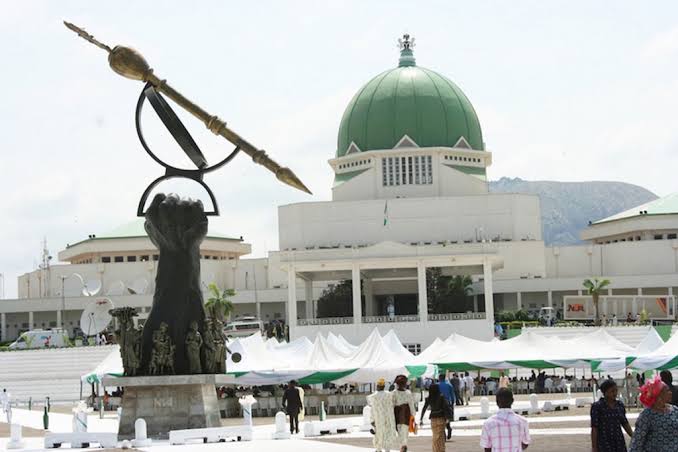
The National Assembly, comprising the Senate and House of Representatives, makes federal laws. Lawmakers consider and debate bills before voting on them; a bill must pass through the legislative process before it can become law. These laws can set rules for public institutions and affect how government decisions are implemented.
This process gives elected representatives a forum to examine proposals and question their likely effects. Debate, for example, can bring differing views to light before a bill becomes law. The Assembly’s role goes beyond passing legislation: lawmakers also scrutinise government activity, placing public decisions under formal review.
Nigeria’s legislation is classified into colonial-era legislation up to 1960, post-independence legislation from 1960 to 1966, and military-era legislation from 1966 to 1999. That history helps explain why the country’s legal framework includes laws from different periods. In 2026, President Bola Ahmed Tinubu assented to the NIMC Act 2026, a current example of legislation receiving presidential assent.
Corruption, transparency and accountability
Key questions about corruption, transparency and accountability include how public resources are used, whether decisions are disclosed and whether officials face scrutiny. These concerns are related but distinct: suspected misuse of funds raises questions about conduct, while limited public information makes decisions harder to assess.
For residents, a practical measure of accountability is whether public decisions can be understood and examined through institutions. The National Assembly can question how government policies are implemented. Clear explanations and visible follow-up on concerns help the public assess whether officials are answerable.
Accountability also requires separating allegations from established findings. A claim about a public official is not proof of wrongdoing. Legislative debate, disclosed information and formal investigations can help establish what happened and who is responsible. Following these steps gives readers a sounder basis for understanding disputes than treating political accusations as proven facts.
Presidential powers and elections
Nigeria’s current president is Bola Ahmed Tinubu, and its vice president is Kashim Shettima. Key cabinet figures include Foreign Affairs Minister Amb. Bianca Odumegwu-Ojukwu and Steel Development Minister Shuaibu Abubakar Audu.
Executive authority and elections
Executive authority is the power to lead the federal government and carry out its responsibilities. The 1999 Constitution vests the federation’s executive powers in the president, while Section 5(1)(b) addresses those powers, including maintaining the Constitution and Acts of the National Assembly. These provisions matter because they define the president’s role in national decisions.
Section 130 establishes the president as commander-in-chief of the armed forces. The president also heads the Federal Executive Council, linking the office to the work of federal ministers. Nigeria’s president may serve no more than two elected terms, each lasting four years. That limit makes elections central to changes in national leadership.
Bola Tinubu was elected president in 2023. Earlier results show how electoral support can be measured: in 2015, Muhammadu Buhari received 15,424,921 votes, while Goodluck Jonathan received 12,853,162. Registered voters numbered 67,422,005, and turnout was 43.65%. These figures offer context for reading election outcomes, not a prediction of future results.
Nigeria’s political leadership
Nigeria’s political leadership includes elected executives and cabinet ministers responsible for government portfolios. Knowing who holds these offices helps distinguish presidential authority from ministerial responsibilities. Tinubu is president, Shettima is vice president, Amb. Bianca Odumegwu-Ojukwu is Foreign Affairs Minister, and Shuaibu Abubakar Audu is Steel Development Minister.
Leadership also shapes public debate before voters cast ballots. Nigeria’s 2027 election campaigns were gathering momentum when presidential adviser Bayo Onanuga urged caution in the use of artificial intelligence. That example shows how election coverage can include both political competition and concerns about campaign communication. Following named officials and their stated roles helps readers interpret those developments.
Public affairs services
Public affairs teams explain government services and communicate with the public; they do not themselves deliver infrastructure. In Nigeria, the aviation examples show how departments handle public information, media relations and feedback about an authority’s work.
The Nigeria Civil Aviation Authority’s Public Affairs Department manages its corporate image and serves as a link between the Director General and the media. It acts as the Authority’s spokesperson, prepares press releases, gathers data and plans media campaigns. When issues arise, it responds through the media. These duties help the public understand the Authority’s position and work.
The department has five sections or units: News / Programme, Publications, Community Affairs, Admin./ Protocol & Passages, and Photography & Documentation. This structure divides communications, community engagement and visual documentation responsibilities. The department also reports functionally to the Director General, linking public messaging with the Authority’s leadership.
At the Federal Airports Authority of Nigeria (FAAN), the Public Affairs & Consumer Protection Department manages liaison with the Federal Ministry of Transportation (Aviation) and the public. Its responsibilities include monitoring media coverage, handling feedback, planning publicity programmes and coordinating corporate promotions. It also manages FAAN’s social media, oversees guided tours and excursions, and plans corporate events.
FAAN’s department has two sections: corporate communications and protocol/passages. Corporate communications covers media relations, corporate promotions, community relations and internal administration. Protocol and passages covers protocol and event management, passages, and Passenger Support Services. The department also facilitates commercial filming and video recordings, and provides and archives videos and photo covers.
These examples describe communications and public engagement, not infrastructure projects currently being delivered. For an airport development, for example, public affairs work can explain the authority’s activities, coordinate stakeholder relations and manage feedback. The responsible authority, however, delivers the project itself.
MPAC Nigeria is another example of public engagement. It says it works to make Islamic ethical values available to Nigeria’s political process.
States and local governments
State and local authorities bring public decisions closer to communities. Their roles help explain why people in different parts of Nigeria may experience policies differently.
Security challenges and government responses
Security concerns and responses can differ by location, so state-level developments matter to residents and businesses. No specific current security incident or response is established here; the key point is that local conditions shape how people experience safety and public services.
State governments communicate local priorities, while federal officials may also feature in state-related public affairs. For example, President Bola Ahmed Tinubu met Akwa Ibom State Governor Umo Eno at the State House on July 9, 2026. Benue State Governor Hyacinth Alia addressed a State House briefing in Abuja on July 8, 2026. These examples show how state leadership can engage with national institutions.
Policy effects on businesses and households
Government policies affect businesses and households through decisions about operating conditions, public services and everyday costs. The impact depends on the policy and how it is implemented locally. A change in rules or services may affect a business’s plans, while service access and market prices can influence a household’s spending.
Nigeria’s economic conditions, inflation and cost of living cannot be summed up by a single figure here. The effect on a household depends on the prices it faces and its spending needs; businesses, in turn, are affected by operating costs and customer demand. Local circumstances matter.
To understand a policy’s impact, distinguish its announcement from its implementation. A state-level briefing, such as Governor Alia’s in Abuja, provides a public account, while residents and businesses experience outcomes in their communities. Reporting on decisions, delivery and local effects helps inform public debate.
Follow Nigerian public affairs coverage to track how state decisions and national responses develop.
New Daily Prime
New Daily Prime helps readers follow the people, institutions and decisions shaping Nigeria’s public life through its news coverage. Its reporting puts government announcements and political developments in context, from national leadership to state affairs.
For organisations seeking to share a public-interest story, Sponsored News Articles and Social Media Brand Mentions offer ways to communicate with audiences. Repoy is also among New Daily Prime’s offerings. The right option depends on the message and the audience it needs to reach.
Contact New Daily Prime to discuss your news or communications needs.
Keep following the decisions that shape daily life
Public life continues after a policy is announced or a political debate ends. Follow how decisions develop, who is responsible and how their effects appear in communities. This habit helps residents, organisations and families respond to change with context rather than relying on headlines alone.
A clearer understanding of Nigeria’s public affairs helps people take part in informed conversations, ask focused questions and see why national decisions can have local consequences. For organisations sharing a public-interest story, clear communication can help audiences understand the issue and its relevance.
New Daily Prime can be part of that next step, whether you’re following developments or considering how to communicate a story. Contact New Daily Prime for more information about sharing your message. Keep asking questions, stay engaged and follow the issues that matter to your community.
Frequently Asked Questions
What are the latest major public affairs and political developments in Nigeria?
Recent developments include the growing focus on the 2027 election campaigns and calls for caution around artificial intelligence in campaigning. President Bola Ahmed Tinubu was scheduled to depart Abuja on November 6, 2026, for visits to Akwa Ibom and Rivers states. These stories show how Nigeria public affairs spans election debate, presidential activity and engagement between federal and state leaders.
What are Nigeria’s current election rules, electoral body updates, and upcoming elections?
Nigeria’s president may serve no more than two elected terms, each lasting four years. Campaign activity for the 2027 elections was gathering momentum, with presidential adviser Bayo Onanuga urging caution in using artificial intelligence. For readers following election news, distinguish campaign statements from formal electoral announcements, and note whether a report concerns a rule, an election timetable or a candidate’s claim.
How are Nigeria’s federal, state, and local governments structured and funded?
The federal government operates nationally, state governments address matters within their states, and local governments serve communities. Budgets at each level set out planned public spending, while available funds and priorities shape what each administration can deliver. A national decision may require federal action, for example, while a state announcement concerns that state’s leadership. Local delivery makes the practical effects visible in communities.
What are the latest federal government policies and reforms in Nigeria?
A current example is the NIMC Act 2026, to which President Bola Ahmed Tinubu assented.
Read related news:
Bola Tinubu sparks bold africa-first trade vision
Obi’s Benue visit triggers questions over right to movement
Student road inspection secures FG promise for campus safety bridge