Diplomacy by absence: How Donald Trump’s cancelled visits reshaped US engagement in the Middle East

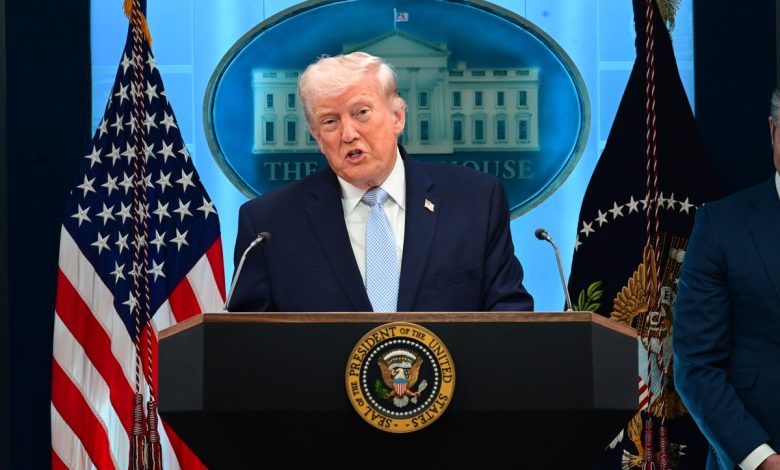
The cancellation of diplomatic visits by world leaders is rarely a matter of routine scheduling. In international politics, absence can be as meaningful as presence. During the presidency of Donald Trump, several planned visits and engagements involving the Middle East were cancelled or significantly altered. These decisions were not merely logistical; they reflected deeper shifts in US foreign policy and revealed a pattern of strategic disengagement that continues to shape the region’s geopolitical landscape.
Diplomatic visits have traditionally served as a cornerstone of international relations. They signal commitment, reinforce alliances and provide opportunities for negotiation and conflict resolution. In the context of the Middle East—where political tensions, security concerns and fragile alliances dominate—such visits carry even greater symbolic and practical importance. When they are cancelled, the consequences extend beyond protocol and into the realm of political signalling.
Under Trump, US foreign policy exhibited a distinct departure from conventional diplomatic practice. His administration prioritised transactional relationships over long-term strategic engagement, often relying on economic pressure and unilateral decisions rather than sustained diplomatic dialogue.

Cancelled visits became one manifestation of this broader approach. In several instances, the absence of high-level engagement sent implicit messages to both allies and adversaries, indicating shifting priorities or dissatisfaction.
READ: Trump cancels Witkoff, Kushner’s trip to Pakistan for talks with Iran
One of the most significant implications of these cancellations was their impact on US relations with Middle Eastern allies. Countries such as Saudi Arabia and other Gulf states have historically relied on visible US support as a guarantee of security and political backing. The cancellation or downgrading of diplomatic visits introduced a degree of uncertainty into these relationships. While formal alliances remained intact, the lack of consistent engagement raised questions about the reliability of US commitments in a rapidly changing regional environment.
At the same time, Trump’s approach to Iran highlighted the strategic use of diplomatic absence. The administration’s “maximum pressure” campaign was characterised by economic sanctions and political isolation rather than direct engagement.
In this context, the absence of diplomatic visits or negotiations reinforced a confrontational posture. Rather than facilitating dialogue, the lack of engagement contributed to escalating tensions and reduced opportunities for de-escalation. This approach underscored a broader shift away from diplomacy as a primary tool of conflict management.
The implications of cancelled visits were also evident in the Palestine–Israel context. While the Trump administration maintained strong ties with Israel, its broader engagement with the Palestinian issue was limited and often controversial.
Diplomatic absence, in this case, was not neutral; it reflected a selective approach to engagement that prioritised certain actors while marginalising others. This imbalance contributed to perceptions of bias and undermined the credibility of the US as a mediator in the peace process.
Domestic political considerations played a crucial role in shaping these decisions. Trump’s foreign policy was often closely linked to internal political dynamics, including media narratives, electoral considerations and partisan pressures. Cancelling or altering diplomatic visits allowed the administration to respond quickly to domestic concerns without committing to complex international negotiations. In this sense, foreign policy decisions were not only about external strategy but also about internal political management.
From a theoretical perspective, these developments can be understood through both realist and liberal frameworks. A realist interpretation suggests that the cancellation of visits served US national interests by maximising flexibility and avoiding unnecessary commitments. By maintaining unpredictability, the administration could exert pressure on other states and retain strategic advantage. However, a liberal perspective highlights the costs of this approach, particularly the erosion of trust, the weakening of international institutions and the decline of cooperative norms.
The role of media in shaping perceptions of these cancellations cannot be overlooked. Global and regional media outlets amplified the symbolic significance of diplomatic absence, often framing it as evidence of declining US engagement in the Middle East. This narrative had tangible effects, influencing how governments and populations in the region perceived US intentions and reliability. In international politics, perception is often as important as reality, and the repeated cancellation of visits contributed to an image of inconsistency and disengagement.
READ: Putin says Russia will support Iran and regional stability to ensure Middle East peace
Ultimately, the use of trip cancellations as a diplomatic tool reflects a broader transformation in US foreign policy during the Trump era. It illustrates a shift from traditional diplomacy towards a more flexible, and at times unpredictable, approach. While this strategy may have offered short-term advantages, particularly in terms of domestic political gain and tactical manoeuvring, its long-term consequences are more complex.
The absence of sustained diplomatic engagement risks undermining the very foundations of international cooperation. In the Middle East, where political relationships are often fragile and heavily dependent on external support, the lack of consistent US involvement creates space for other global actors to expand their influence. It also increases the likelihood of miscommunication and miscalculation, both of which can have serious consequences in a region already marked by conflict and instability.
In conclusion, the cancellation of diplomatic visits under Donald Trump should be understood not as isolated incidents but as part of a coherent, if controversial, approach to foreign policy. By using absence as a form of political signalling, the administration reshaped patterns of engagement in the Middle East and challenged established norms of diplomacy. While this approach reflected a desire for flexibility and control, it also introduced new uncertainties into international relations. The long-term impact of these decisions will depend on whether future administrations choose to restore traditional diplomatic practices or continue along the path of strategic disengagement.
OPINION: Geopolitical, economic and humanitarian implications of the 2026 US–Israel–Iran conflict
The views expressed in this article belong to the author and do not necessarily reflect the editorial policy of Middle East Monitor.
🚨BREAKING: Watch The Video Clip Here ➤