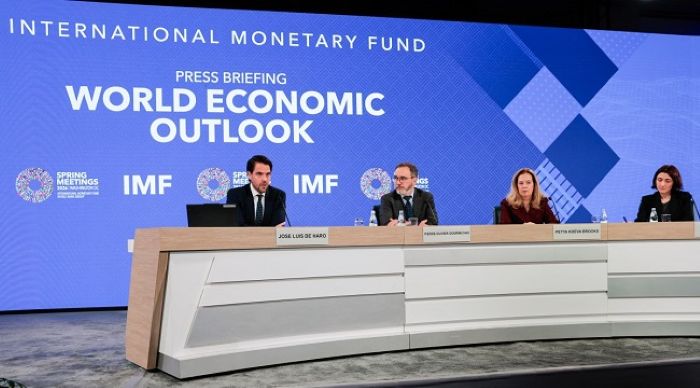
The International Monetary Fund (IMF) has revised down Nigeria’s economic growth forecast for 2026 to 4.1 per cent, from an earlier projection of 4.4 per cent.
The downgrade was contained in the fund’s latest World Economic Outlook report released on Tuesday, reflecting growing global economic uncertainties.
The IMF also projected global growth at 3.1 per cent in 2026 and 3.2 per cent in 2027, both lower than the 3.4 per cent recorded between 2024 and 2025.
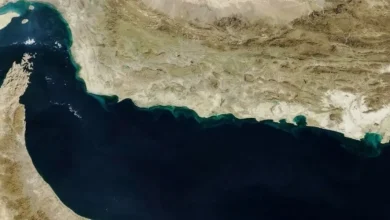
According to the institution, the downward revision is largely driven by disruptions linked to ongoing conflicts in the Middle East, which have weighed on global economic stability despite earlier support from strong technology investments and favourable financial conditions.


The report further projected that global inflation will rise to 4.4 per cent in 2026 before easing to 3.7 per cent in 2027.
Describing its projections as a “reference forecast,” the IMF noted that the outlook remains uncertain, particularly due to the unpredictable nature of geopolitical tensions.
It added that, without the conflict, global growth for 2026 could have been revised upward to about 3.4 per cent.
The fund warned that risks remain tilted to the downside, stressing that any escalation in geopolitical tensions could trigger an energy shock, push inflation above 5 per cent, and further slow global growth.
In a more severe scenario, the IMF said global growth could drop to around 2 per cent in 2026, with inflation exceeding 6 per cent by 2027, particularly affecting emerging markets.
Other risks highlighted include trade fragmentation, rising debt levels, fiscal pressures, and potential financial market corrections linked to artificial intelligence-driven valuations.
The IMF urged central banks to remain vigilant and act decisively to contain inflation, while advising governments to maintain fiscal discipline and strengthen economic buffers.
It also called for enhanced international cooperation to reduce trade tensions and stabilise the global economy.
🚨BREAKING: Watch The Video Clip Here ➤