The Association of Orphanages and Home Operators in Nigeria (ASOHON) has disclosed that no fewer than 14 million children are currently living in orphanages and motherless homes across the country, amid growing concerns over inadequate government support for child care institutions.
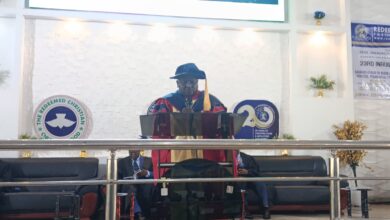
The national president of ASOHON, Gabriel Oyediji, made the disclosure on Thursday during the inauguration of the Kwara State chapter of the association and a two-day training seminar on Children First Software held in Ilorin, the Kwara State capital.


Oyediji said more than 95 per cent of orphanages and motherless homes in Nigeria are privately owned and operated, lamenting that many of the facilities have been neglected by government despite the rising number of vulnerable children requiring care and protection.
According to him, operators of orphanages are burdened with the responsibility of providing food, shelter, education and healthcare for thousands of children under difficult financial conditions.
“Governments do not care about us. Let the government realise that where there are efforts, there are bound to be faults. Don’t over whip our faults,” he said.
The ASOHON president also expressed concern over what he described as declining public confidence in orphanage homes, blaming it on repeated reports of abuse and misconduct involving some facilities.
He said the negative perception surrounding orphanages now overshadows the contributions of genuine operators who remain committed to child welfare despite mounting challenges.
Oyediji noted that passion and dedication continue to sustain many orphanage homes across the country in the absence of adequate institutional support.
Speaking at the event, the chairperson of ASOHON in Kwara State, Christie Omolehin, said the introduction of the Children First Software would strengthen child protection systems and improve record keeping in orphanages.
She explained that the digital platform was developed to address longstanding challenges associated with manual documentation, poor data management and weak monitoring systems in children’s homes.
According to Omolehin, the software would enable operators to properly document children’s records, monitor their welfare and minimise cases of abuse, trafficking and disappearance within orphanage facilities.