
A governorship aspirant of the All Progressives Grand Alliance (APGA) in Bayelsa State, Domor Mienye, has said the growing wave of anti-immigration policies and economic nationalism across several countries should serve as a wake-up call for Nigeria to strengthen its economy and governance systems.
Mienye said many nations are increasingly prioritising local employment and tightening immigration rules, warning that opportunities abroad may become more limited for young Nigerians in the years ahead.

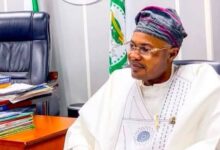
According to him, Nigeria must focus on building a resilient economy capable of creating opportunities at home rather than relying on migration as an escape from economic hardship.
“For many years, young Africans have looked outward in search of opportunities because of the economic realities at home. But the global environment is changing rapidly, and that should force us to rethink how we build our economies and prepare our future,” he said.
The APGA aspirant stressed the need for sustained investments in industry, entrepreneurship, innovation and job creation, describing them as the most effective response to changing global realities.
“We must begin to build economies that create jobs, support entrepreneurship, strengthen industries, and reward innovation. That is the only sustainable response to the realities we are seeing globally,” he stated.
Speaking on the prospects of Bayelsa State, Mienye said the state possesses significant potential to develop a productive economy beyond crude oil through agriculture, aquaculture, tourism, marine resources and energy development.
He argued that leaders must move beyond short-term political considerations and begin preparing citizens for future economic realities.
“Leadership is not only about reacting to problems; it is about preparing society for the future. Bayelsa and Nigeria must begin to think long-term, particularly around economic diversification and human capital development,” he said.
Mienye also called for increased investment in education, digital skills and youth empowerment, warning that countries that fail to equip young people for future opportunities risk worsening poverty, unemployment and social instability.
According to him, Nigeria’s large youth population should be viewed as a strategic economic asset if provided with the right skills, education and opportunities.
He further urged Nigerians in the diaspora to remain actively involved in national development through investment, mentorship and strategic partnerships.
“Nigerians are excelling all over the world. We have world-class doctors, nurses, scientists, engineers, finance professionals, innovators, and creatives contributing significantly to economies and institutions across different countries.
“The challenge is not a lack of talent; the challenge is building systems and leadership structures capable of harnessing that talent at home,” he said.
Mienye added that the changing global climate should encourage Nigerians to pay closer attention to the quality of leadership they elect at all levels of government.
“The conversation should no longer be only about politics. It should be about whether we are building a country that can compete, create opportunities, and give young people confidence in the future,” he added.