JAMES KWEN reports on the renewed Ijaw agitations, spotlighting demands for political inclusion, state creation, environmental justice, and grassroots development
For decades, the Ijaw nation has remained at the centre of agitations for resource control, environmental justice, political inclusion, and equitable development in Nigeria’s oil-rich Niger Delta.


Despite contributing significantly to the nation’s oil wealth, many Ijaw communities continue to grapple with underdevelopment, environmental degradation, poor infrastructure, and what many leaders describe as political marginalisation.
With the emergence of a new leadership of the Ijaw National Congress (INC), the umbrella socio-cultural body of the Ijaw ethnic nationality, those longstanding demands appear to have gained renewed momentum.
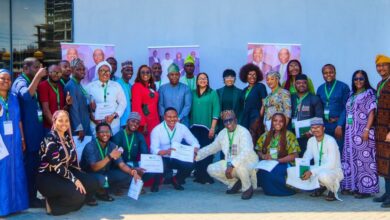
At the inauguration of the new National Executive Council (NEC) of the congress in Warri, leaders and stakeholders renewed calls for the creation of additional states, expansion of local government areas in Bayelsa State, fair political representation, proper electoral ward delineation, and environmental justice for oil-bearing communities.
The Ijaw people are regarded as the largest ethnic group in Nigeria’s Niger Delta region, spread across Akwa Ibom State, Bayelsa State, Delta State, Edo State, and Rivers State, with sizable populations also residing in Ondo State.
For years, Ijaw leaders and groups have argued that, despite the region’s contribution to Nigeria’s oil revenue, many communities remain underdeveloped and environmentally degraded due to decades of oil exploration.
Environmental pollution, infrastructural neglect, unemployment, and demands for resource control have remained recurring issues in the Niger Delta.
The INC, which has long advocated for the interests of oil-producing communities, recently conducted its leadership election amid disagreements among stakeholders before the new NEC was inaugurated at the SMU-TUNS Playground in Warri.
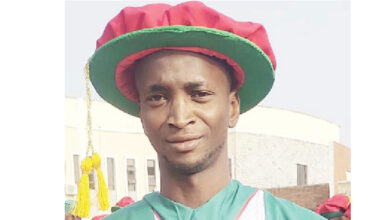
The new executive council is headed by High Chief Macdonald Ebi Igbadiwei as President, alongside Dr Felix Okubokeme Tuodolo as Vice President, Dr Anyanate Kio as National Secretary, Ikosomi Barry Ibarakumo as National Publicity Secretary, and Talent Brown as National Legal Adviser, among others.
The event attracted several Ijaw stakeholders, including the Chairman of Tantita Security Services, High Chief Government Oweizide Ekpemupolo, popularly known as Tompolo; the Administrator of the Presidential Amnesty Programme, Dr Dennis Brutu Otuaro; traditional rulers; lawmakers; and officials of the Ijaw Youth Council.
In his acceptance speech, Igbadiwei said his administration would focus on addressing challenges facing the Ijaw nation while promoting unity among the people.
A major highlight of the inauguration was the renewed demand for political restructuring and greater representation for the Ijaw people within the Nigerian federation.
Igbadiwei stated that the INC under his leadership would continue to push for the creation of Toru-Ebe State and Oil Rivers State, arguing that the move would create more political space for Ijaw communities, especially in Edo and Ondo states.
The agitation for additional Ijaw-majority states has persisted for years, with advocates insisting that the ethnic nationality deserves more states and local government areas given its population and economic contributions.
The new INC leadership also renewed calls to expand the number of local government areas in Bayelsa State from 8 to 24. Supporters of the demand argue that additional local governments would improve grassroots development and political representation in the state.
Comparisons were also made with Kano State, which currently has 44 local government areas.
“We shall pursue, to a logical conclusion, the creation of Toru-Ebe State and Oil River State in order to create more political space and address the marginalisation of Ijaw people, especially in Edo and in Ondo states.
“Bayelsa State, the only homogeneous state and a proud symbol of our shared heritage, continues to face a narrowing political, economic, and social landscape.
Despite persistent calls and sustained advocacy to expand its local government structure beyond 8, Kano State currently has 44 local governments.