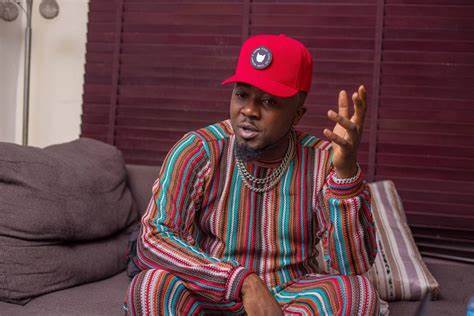
Nigerian rapper and music artiste Ice Prince has addressed the criticism trailing his performance at the 2026 national convention of the ruling All Progressives Congress (APC), explaining that his appearance at the event was based on family ties rather than political allegiance.
The rapper came under heavy criticism on social media after performing at the APC convention amid growing economic hardship, insecurity, and public dissatisfaction in Nigeria.
Many Nigerians questioned the decision of entertainers to perform at political events linked to the ruling party while citizens continue to complain about inflation, rising living costs, insecurity, unemployment, and worsening economic conditions.
Critics particularly accused some celebrities of prioritising financial and political relationships over speaking out on issues affecting ordinary Nigerians.
Reacting to the backlash during a recent episode of the Black Box Podcast, Ice Prince defended his decision to honour the invitation, insisting that his appearance was personal and family-related.
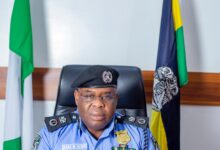

According to the “Oleku” crooner, the invitation came from the APC National Chairman, Nentawe Yilwatda, whom he described as his uncle.
“Who booked me for that event? My uncle, Nentawe Yilwatda, who is the APC chairman. He is not just a random person to me. He is my real uncle,” he explained.
Ice Prince suggested that his relationship with the APC chairman influenced his decision to perform at the convention and implied that the appearance should not necessarily be interpreted as a political endorsement.
His comments have continued to generate mixed reactions online, with some Nigerians defending his right as an entertainer to perform wherever he chooses, while others maintain that celebrities should be more conscious of the political implications of such appearances.
Some social media users argued that musicians and entertainers are professionals who often perform at events for business or personal reasons, regardless of political affiliations.
Others, however, insisted that public figures, especially influential musicians with large youth followings, should exercise caution when associating with political parties during periods of national hardship.
The controversy surrounding Ice Prince’s performance reflects a broader debate in Nigeria about the role of entertainers in politics and governance.
Over the years, Nigerian musicians and actors have frequently found themselves under public scrutiny for either supporting politicians openly or remaining silent on national issues.
While some celebrities actively use their platforms to advocate for social justice, governance reforms, and accountability, others prefer to stay neutral or separate their professional engagements from political activism.
The backlash against Ice Prince also highlights growing public expectations that celebrities should align themselves with the struggles of ordinary citizens, especially during difficult economic periods.
In recent years, entertainers in Nigeria have increasingly been called upon by fans and activists to use their influence to speak against insecurity, corruption, police brutality, bad governance, and economic hardship.
The conversation became even more prominent after movements such as the EndSARS protests, where several celebrities publicly supported youth-led demonstrations against police brutality and government policies.
However, not all entertainers have chosen the same path, with some preferring to avoid political confrontations while focusing on their careers and personal relationships.
For Ice Prince, the criticism appears to have stemmed not just from the performance itself, but from the symbolism attached to appearing at a high-profile political gathering linked to the ruling party.
Despite the backlash, the rapper did not express regret over the performance during the interview and instead focused on clarifying the personal connection behind his attendance.
Ice Prince remains one of Nigeria’s notable hip-hop artistes, known for hit songs such as “Oleku,” “Aboki,” and “Superstar.”
Over the years, he has maintained a visible presence in the Nigerian entertainment industry and has often collaborated with other leading African musicians.
His latest comments have once again stirred conversations about celebrity responsibility, political neutrality, and the expectations placed on public figures in times of national crisis.
For more details, visit New Daily Prime at www.newstimes.com.ng.