0
Nigeria’s worsening Lassa fever outbreak has claimed 204 lives this year, fuelling fear in affected communities and increasing pressure on overstretched healthcare workers, the Nigeria Centre for Disease Control and Prevention (NCDC) has disclosed.
The latest report released by the Nigeria Centre for Disease Control and Prevention (NCDC) has revealed an alarming rise in the fatality rate linked to the viral haemorrhagic disease, despite a slight reduction in newly confirmed infections during the most recent reporting week.
According to the NCDC’s Epidemiological Week 19 report for 2026, the country recorded 17 new confirmed cases during the week under review, down from 22 cases reported in Week 18. However, health authorities warned that the apparent decline offers little reassurance as the overall death rate has continued to rise sharply.


The agency disclosed that the Case Fatality Rate now stands at 25.7 per cent, significantly higher than the 19.4 per cent recorded during the same period in 2025, raising concerns among public health experts over delayed treatment, poor access to healthcare and the persistent strain on medical facilities in affected areas.
The latest infections were recorded in Ondo, Bauchi, Edo, Kogi, Taraba and Nasarawa states – regions that have repeatedly emerged as major hotspots in Nigeria’s prolonged battle against Lassa fever.
So far this year, at least 23 states and 108 Local Government Areas have reported confirmed cases, reflecting the expanding reach of the outbreak and the growing vulnerability of communities across the country.
For many residents in affected areas, the outbreak has become more than a recurring health emergency. Families are increasingly grappling with grief, fear and economic hardship as the disease disrupts homes, livelihoods and daily life.
Particularly troubling to health officials is the growing impact on younger Nigerians. The NCDC report showed that people between the ages of 21 and 30 account for the highest number of infections, affecting individuals within what is widely considered the nation’s most economically productive age bracket.
The disease has infected Nigerians ranging from one year old to 90 years, with the median age of patients standing at 30 years.
Medical experts warn that the trend poses serious social and economic implications, as many victims belong to the country’s active workforce population.
Men were found to be slightly more affected than women, with the male-to-female ratio among confirmed cases standing at 1:0.9.
The burden of the outbreak remains heavily concentrated in a handful of states. According to the NCDC, five states — Bauchi, Ondo, Taraba, Edo and Benue — accounted for 84 per cent of all confirmed infections recorded nationwide.
Bauchi and Ondo states each contributed 26 per cent of confirmed cases, while Taraba accounted for 16 per cent. Edo recorded nine per cent and Benue seven per cent.
The remaining 16 per cent of infections were spread across 18 other states, a development experts say highlights the continuing spread of the disease into more communities nationwide.
Healthcare workers are also increasingly at risk as they battle the outbreak on the frontlines. The NCDC disclosed that one additional healthcare worker became infected during the latest reporting week, renewing concerns over workplace safety, inadequate protective equipment and the pressure facing overstretched medical personnel.
Doctors and health workers in several affected states have repeatedly warned of exhaustion, overcrowded isolation centres and insufficient resources as they struggle to contain recurring outbreaks.
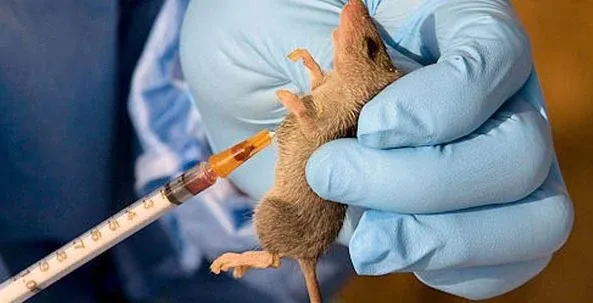
Lassa fever is primarily transmitted through contact with food, surfaces or household materials contaminated by infected rodents. Human-to-human transmission can also occur, especially in healthcare environments where infection prevention measures are inadequate.
The disease commonly presents with symptoms such as fever, weakness, headache and sore throat, although severe cases may result in bleeding from body openings and organ failure.
NCDC continue to stress that early diagnosis and prompt treatment remain critical to improving survival rates.
In response to the escalating outbreak, the NCDC said the National Lassa Fever multi-partner and multi-sectoral Incident Management System has been activated to coordinate emergency response efforts at both national and state levels.
The agency stated that surveillance operations, case management, risk communication and community engagement activities are ongoing across affected states in an effort to contain the spread of the disease.
As fear and uncertainty continue to spread across affected communities, many Nigerians remain anxious over whether the rising death toll signals even more devastating weeks ahead.