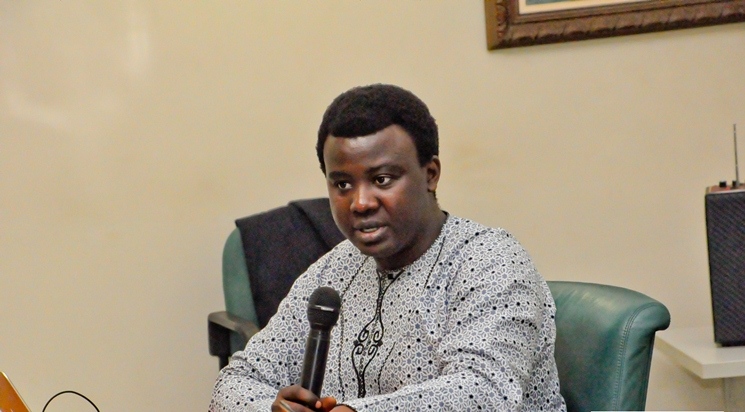
The executive director of Paradigm Initiative (PIN), Gbenga Sesan, has called for stronger policies and practical measures to ensure persons with disabilities (PWDs) are not excluded from Nigeria’s growing digital space.
Sesan made the call yesterday in Abuja, during a targeted digital policy engagement roundtable aimed at providing a platform for key stakeholders to assess policy gaps and discuss practical strategies for embedding disability inclusion into Nigeria’s digital policy landscape.


According to him, the event focused on reviewing policy provisions in the digital sector, identifying gaps in inclusion and discussing ways to ensure all citizens benefit from digital opportunities regardless of physical limitations.
He noted that Nigeria records less than 30 per cent compliance in disability inclusion, compared to about 50 per cent or more in some other countries.
“Technology should be used to include more people rather than exclude them,” he said.
Sesan explained that despite technological improvements, many people with disabilities still face barriers to accessing digital tools and services.
He cited cases where mobile applications become inaccessible after updates, especially for users who rely on assistive technologies.
He also recalled instances in which candidates sitting for promotion examinations performed poorly because they lacked the assistive technology tools required to access computer-based tests.
“Only one-third of the affected candidates passed the examinations because the necessary assistive technologies were not provided,” he said.
Speaking on lessons Nigeria could learn from other countries, Sesan outlined four major recommendations to improve inclusion.
He said assistive technologies should no longer be treated as optional add-ons during technology procurement.
Also, Ihueze Nwobilor said the engagement was organised to improve policies around the inclusion of persons with disabilities.
“We know these conversations cannot happen independently of the people most affected by them,” he said.
Nwobilor explained that the event brought together persons with disabilities, government representatives, civil society organisations and international NGOs to examine existing policies and legislative frameworks affecting disability inclusion.