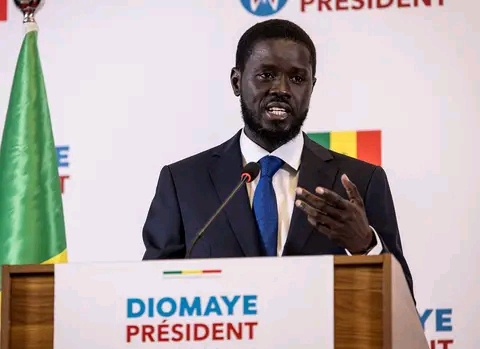
Senegal’s fuel subsidy crisis is putting pressure on public finances, with spending on subsidised fuel expected to rival or exceed what the government plans to spend on major sectors such as health, agriculture and a large share of education in 2026.
The government is spending heavily to keep fuel prices low for citizens, but high global oil prices have made that support increasingly expensive, placing a heavy burden on the country’s already strained finances.
Senegal’s 2026 national budget sets total spending at 7,433.9 billion FCFA, almost US$13.2 billion, while expected revenue stands at 6,188.8 billion FCFA, around US$11 billion. This leaves a projected deficit of about 1,245 billion FCFA, or US$2.21 billion.
Read related news:
Senegal refuse to return Afcon Trophy as title row sparks corruption claims
Senegal crowned African champions after beating Morocco 1–0
Senegal stun England 3-1 in Tuchel’s first defeat
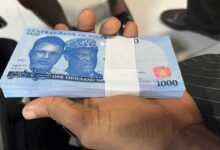

Reuters reported that the government initially budgeted 250 billion CFA francs, about US$443 million, for fuel subsidies this year. However, Finance Minister Cheikh Diba warned parliament in May that high global oil prices linked to tensions in the Gulf could push that figure far higher.
At an oil price of US$85 per barrel, Senegal’s fuel subsidy bill could rise to 774 billion CFA francs, or between US$1.37 billion and US$1.40 billion. At US$115 per barrel, it could reach 1.39 trillion CFA francs, or about US$2.47 billion. This implies that a rise in oil prices could see Senegal spend nearly 23% of its revenue on fuel subsidies.
Senegal has allocated 217.27 billion CFA francs, or US$384.52 million, to health in its 2026 budget. This means that even the lower subsidy estimate of 774 billion CFA francs would be more than 3.5 times the entire health budget, while the worst-case projection of 1.39 trillion CFA francs would be more than six times health spending.
In education, Senegal approved a 990.75 billion CFA francs, or US$1.75 billion, budget for 2026. If fuel subsidies rise to 774 billion CFA francs, they would consume about 78 percent of the education budget. Under the higher projection of 1.39 trillion CFA francs, subsidy spending would exceed the entire education budget by roughly 40 percent.
The comparison is also striking in agriculture. Senegal plans to spend 427 billion CFA francs, or US$750.7 million, on agriculture in 2026, a sector seen as critical to food security and reducing the country’s heavy dependence on food imports.
A subsidy bill of 774 billion CFA francs would amount to about 1.8 times the agriculture budget, while a subsidy cost of 1.39 trillion CFA francs would be more than three times agricultural spending.
Taken together, Senegal’s combined budgets for health and agriculture total 644.27 billion CFA francs, which is still below the 774 billion CFA francs subsidy projection. This means fuel subsidies at that level would cost the government more than what it plans to spend on both sectors combined.
Prime Minister Ousmane Sonko said the subsidy increase could require more than an additional 1 trillion CFA francs, or US$1.78 billion, accounting for around one-fifth of Senegal’s total budget. However, the government has rejected a proposal to raise fuel prices, choosing instead to shield citizens from higher energy costs.
The subsidy crisis comes at a difficult time for Senegal, which is already dealing with debt problems and frozen international financing after the disclosure of previously unreported liabilities.
Although Senegal is now producing oil and gas through the Sangomar oil field and the GTA gas project, Diba said higher oil prices could generate only 135 billion to 185 billion CFA francs, or US$239.6 million to US$328.4 million, in additional revenue in 2026. That is far below the potential subsidy bill.
Senegal’s subsidy burden has raised concern about how much fiscal space the country will have to fund essential sectors such as healthcare, education and agriculture while continuing to keep fuel prices low for consumers.