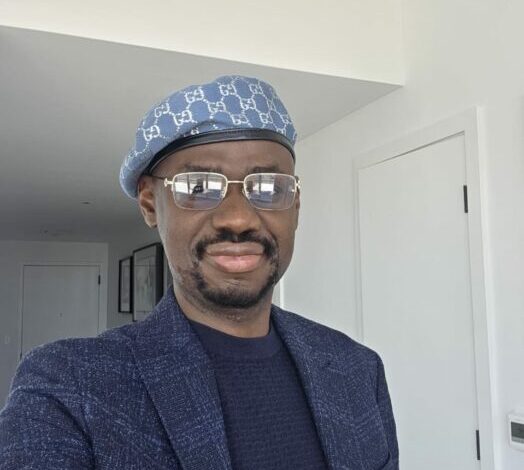
Former Deputy National Publicity Secretary of the All Progressives Congress (APC), Timi Frank, has thrown his weight behind Senegal’s newly elected Speaker, Ousmane Sonko, while accusing President Bassirou Diomaye Faye of betraying the reform agenda that brought his administration to power.
Frank made the remarks in a statement signed and released by him on Wednesday in his capacity as United Liberation Movement for West Papua Ambassador to East Africa and the Middle East, as well as Senior Advisor to the Global Friendship City Association, USA.

In the statement, Frank said the growing political crisis in Senegal reflected what he described as “a painful betrayal” of the revolutionary vision championed by Sonko and the PASTEF movement.
According to him, millions of Senegalese youths who supported the movement in pursuit of accountability, sovereignty and institutional reforms were now becoming disillusioned by what they perceived as a gradual return to the old political order.
Frank noted that Sonko played what he described as the central role in reshaping Senegal’s political landscape long before Faye emerged on the national stage, adding that the Prime Minister became a symbol of resistance against the administration of former President Macky Sall.
The former APC spokesman stated that Sonko inspired a generation of young Senegalese demanding political and economic independence, institutional reforms and freedom from foreign influence.
Frank further recalled that after Sonko’s strong performance in the 2019 presidential election, he emerged as the country’s most formidable opposition figure, which, according to him, led to years of political persecution, controversial arrests and legal battles allegedly aimed at preventing him from becoming president.
He argued that despite imprisonment and his eventual disqualification from contesting the 2024 presidential election, Sonko remained committed to the movement and mobilised supporters from detention to back Faye as the continuity candidate for the PASTEF vision.
“Without Sonko’s sacrifices, political structure, popularity and influence among Senegalese youths, Bassirou Diomaye Faye would almost certainly never have become president,” Frank stated.
He added that President Faye himself publicly acknowledged Sonko’s role during his inauguration by crediting him for the movement’s victory and sacrifices.
Frank, however, alleged that shortly after assuming office, the Faye administration began deviating from the ideals that inspired the movement, particularly through what he described as the return of individuals associated with the former Macky Sall administration into positions of influence.
He also accused President Faye of allegedly taking Senegal back under French influence, contrary to the aspirations of the reform movement.
“The fight between President Faye and PM Sonko is mainly because President Faye has betrayed the trust reposed in him by the Senegalese people by taking Senegal back to the control of France,” Frank alleged.
According to him, many supporters of Sonko now see the situation as a betrayal of the revolution they fought for and fear that the political establishment the movement sought to dismantle is quietly regaining influence.
Frank maintained that Sonko remains the authentic face of the struggle for what he described as a new Senegal built on economic independence, youth empowerment, institutional reforms and African self-determination.
He urged Senegalese citizens to remain steadfast and continue supporting Sonko’s leadership and long-term vision for the country.
The United Liberation Movement for West Papua ambassador also advised Sonko to begin building broader international alliances, particularly with the United States and other global partners willing to support democratic development and economic growth without undermining Senegal’s sovereignty.
According to Frank, Senegal currently stands at a critical crossroads between genuine reform and a return to entrenched political structures.
He warned that history would ultimately judge whether President Faye upheld the revolutionary ideals that brought him to power or aligned himself with the political establishment the Senegalese people voted to reject.