At least 22 people were killed, and 36 others injured after a truck carrying Afghan refugees returning from Pakistan lost control and plunged into a ravine in Afghanistan’s eastern Laghman province on Saturday.
For more stories from The Media Line go to themedialine.org
Abdul Malik Niazi, a Taliban official, told The Media Line that “the accident occurred on the main highway linking Kabul with Nangarhar province.
He confirmed that the victims included 10 children and five women, while the 36 injured were transferred to various hospitals for treatment.


The Taliban official further said that all of the victims were Afghan migrants who had recently returned from Pakistan. The passengers had been temporarily settled in Kunar province and were being transported to Kabul when the vehicle overturned.
Provincial health department chief Amanullah Sharif confirmed the death and injury toll, stating that according to preliminary investigations, the truck met with the accident after the driver fell asleep.
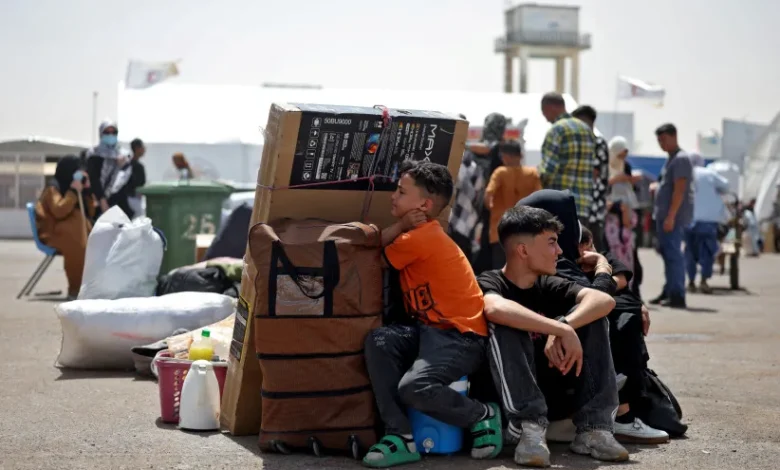
The passengers involved in the accident were among thousands of Afghan refugees who have returned to Afghanistan from Pakistan in recent months.
Pakistan launched a crackdown against undocumented migrants in 2023, after which a large number of Afghan nationals were either forced to leave the country or deported.
Campaign to expel Afghan refugees in Iran
Meanwhile, Iran had also stepped up its campaign to expel Afghan refugees during the same period.
The accident also comes as Afghanistan continues to receive large numbers of returnees from neighboring countries, particularly Pakistan, which has intensified efforts to deport undocumented Afghan migrants.
Over the past week, at least 4,000 migrants have been deported from Pakistan daily, according to figures provided by the Taliban commission for refugees.
International aid agencies have repeatedly warned that the mass return of migrants is placing additional strain on transportation networks and public services, especially in eastern provinces that serve as key entry points into the country.
As thousands of returnees cross back into Afghanistan daily, often under difficult conditions and chaotic schedules, local infrastructure and services in already fragile regions are coming under mounting pressure. Transportation routes are becoming riskier, and communities are struggling to absorb the sudden influx of people.
Without stronger regional coordination and support mechanisms for returnees, the situation risks escalating into a wider human catastrophe marked by preventable deaths, repeated accidents, and significant humanitarian risks across affected provinces.