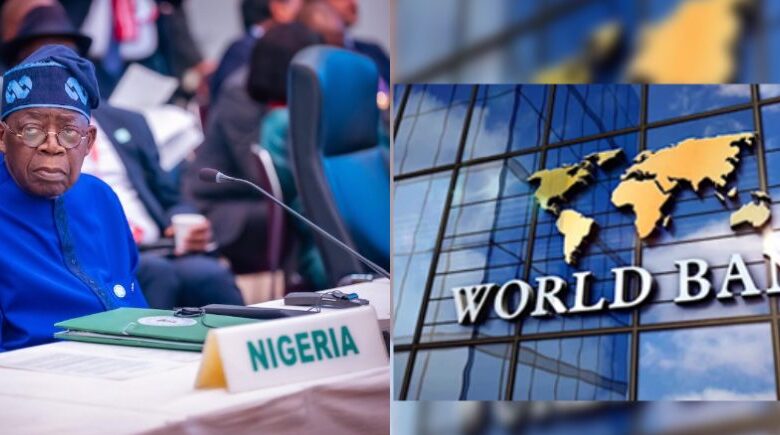
- Nigeria and the World Bank have cancelled $717.7 million meant for electricity sector reforms due to economic challenges and implementation issues.
- The decision has raised concerns as Nigerians continue to face poor power supply and rising electricity costs.
Nigeria’s electricity sector has suffered another major setback after the Federal Government and the World Bank agreed to cancel $717.7 million meant for power sector reforms.
The cancelled funds were part of the $1.52 billion Power Sector Recovery Programme introduced to improve electricity supply, strengthen the national grid, and support reforms in the country’s struggling power industry.
The decision comes at a time when many Nigerians are still battling poor electricity supply, constant blackouts, rising tariffs, and unstable power across the country.


According to reports, the World Bank explained that worsening economic conditions and challenges in Nigeria’s electricity sector made it difficult for the programme to achieve its goals.
The organisation reportedly said the gap between the money generated in the power sector and the amount needed to sustain operations had become too wide, making the original reform plans difficult to continue.
As a result, both parties agreed to cancel the remaining undisbursed funds and focus on projects considered more realistic and easier to implement.
The World Bank also stated that future support would focus more on improving efficiency, increasing revenue collection, and fixing long-standing problems in the electricity sector.
The cancellation has sparked fresh concerns among Nigerians and energy experts, with many fearing it could delay improvements in power supply and infrastructure.
Many Nigerians also reacted online, blaming poor policies, weak implementation, and corruption for the continuous problems in the electricity industry despite several reform programmes over the years.