Afrihealth Optonet Association Calls For Renewed Action Pn Refugee Protection, Health Equity

0
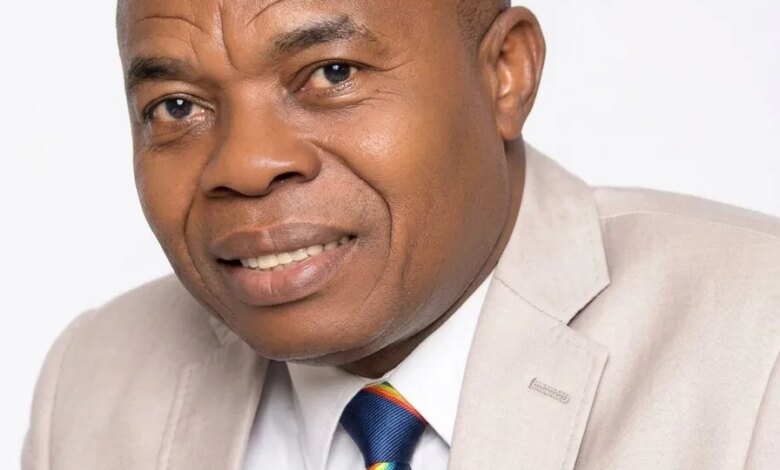
Afrihealth Optonet Association led by its Chief Executive Officer (CEO), Dr. Uzodinma Akujekwe Adirieje, has urged governments and development partners to renew commitment to refugee protection, health equity, and durable solutions as the world marks World Refugee Day 2026 on Friday, 20 June 2026.
Daily Independent learnt this in a statement signed by Afrihealth Chief Executive Officer and Programmes Director, Dr. Uzodinma Akujekwe Adirieje on Friday, June 20, 2026 which was made available to Journalists in Nigeria’s Federal Capital Territory (F.C.T), Abuja today being on Saturday, June 21, 2026 By Dr. Adirieje’s Special Assistant On Media, Comrade Sir Bieni Victor Emenike as Afrihealth stated that the commemoration comes at a time when forced displacement remains one of Africa’s defining humanitarian and development challenges.
In the release Afrihealth noted that conflict, persecution, insecurity, climate change, and disasters continue to disrupt millions of lives.
The international CSOs Coalition had cited the latest United Nations High Commissioner for Refugees, UNHCR, Global Trends Report, the association stated that more than 123 million people were forcibly displaced worldwide by the end of 2025. That UNHCR reports had it that projects that humanitarian needs will continue to rise throughout 2026.


The press Statement by Afrihealth leadership reads in part: “Afrihealth hereby State that Nigeria remains central to the regional displacement landscape. The current UNHCR data, Nigeria hosts more than 140,000 refugees and asylum seekers, predominantly from Cameroon. The country is also caring for approximately 3.6 million internally displaced persons, IDPs”.
“It should also be noted that over 400,000 Nigerian refugees continue to live in neighbouring Cameroon, Chad, and Niger following years of insurgency and insecurity in the Lake Chad Basin. This underscores the protracted nature of displacement in the region”.
“Across West and Central Africa, Afrihealth reported that forced displacement has reached unprecedented proportions. The subregion now hosts more than 21 million refugees, asylum seekers, IDPs, returnees, and other populations of concern”.
“Drivers included amongst others are: Armed conflicts, violent extremism, political instability, communal violence, climate-induced disasters, food insecurity, and economic shocks”.
“Afrihealth hereby emphasized the human impact behind the statistics. No doubt, families have lost loved ones, children’s education has been interrupted, and women and girls face heightened risks of gender-based violence and exploitation. Many displaced persons. That there are also issues of daily struggle to access healthcare, safe water, sanitation, nutrition, shelter, education, livelihoods, and psychosocial support”.
“Afrihealth had described the forced displacement as more than a humanitarian concern. Rather the displacement is equally a public health, human rights, development, peace-building, environmental sustainability, climate resilience, and social justice challenge requiring coordinated, multi-sectoral, and long-term responses”.
Afrihealth hereby draw the attention of critical stakeholders to the growing interaction between climate change and displacement. That floods, desertification, droughts, resource scarcity, and environmental degradation are compounding conflicts, undermining livelihoods, accelerating migration, and increasing vulnerability across the Sahel and Lake Chad Basin”.
*Afrihealth as an international organisation hereby call on the Federal Government of Nigeria, ECOWAS, the African Union, the National Commission for Refugees, Migrants and Internally Displaced Persons, United Nations agencies, and other stakeholders to deepen collaboration”.
“Afrihealth specifically advocated increased investment in healthcare, education, vocational training, protection for vulnerable groups, climate resilience, evidence-based policymaking, enhanced financing, and greater participation of displaced persons in policy and programmes”.
“Afrihealth hereby also, commends host communities in Nigeria and West Africa for their generosity despite limited resources. Host Communities solidarity reflects the highest ideals of shared humanity and continues to provide safety and hope to displaced populations”.
“Afrihealth Reaffirms its commitment to advance health equity, humanitarian action, social inclusion, environmental sustainability, and sustainable development for refugees, IDPs, returnees, and vulnerable populations”.
“In conclusion, protecting displaced persons is not only a legal obligation, but also a moral imperative and an investment in peace, stability, and sustainable development”.