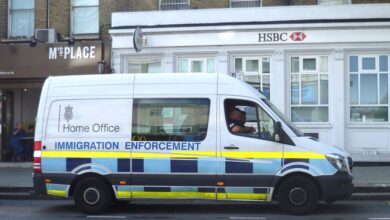
Asylum seekers could be made to repay up to £10,000 towards the cost of their accommodation and support before they can gain settled status in the UK. The new asylum repayment plan is expected to be considered by MPs on Tuesday, 30 June, as part of the Government’s Immigration and Asylum Bill.
The Home Office says the scheme would apply only where people are judged able to pay. Readers affected by the asylum system should wait for the final rules and seek legal advice before making decisions, as key details such as income thresholds have not yet been confirmed.
Under the plan, successful asylum seekers who have received state-funded accommodation or financial support could be asked to pay a flat-rate charge. The amount is expected to be around £10,000, although the Home Secretary would have power to change it.
Read related news:
Many UK failed asylum seekers are going missing in UK, MPs warn
Farage calls for NHS ban on Asylum seekers’ treatment
UK scraps automatic five-year settlement for Asylum seekers


The Government says people would need to clear the debt before they could qualify for settlement. Settlement, also known as indefinite leave to remain, allows someone to live in the UK without a time limit.
Home Secretary Shabana Mahmood said the policy was about asking people to contribute once they are able to do so.
“Receiving asylum support is a right, but it is also a responsibility. Once people can contribute and repay the generosity of the British people, we expect them to do so,” she said.
How the asylum repayment plan could work
The scheme is being compared by officials to student loans, where people repay money only after reaching a certain income level. But the Home Office has not yet published the full rules, including the earnings threshold or how repayments would be collected.
A Home Office spokesperson said details would be set out later in secondary regulations. This means MPs would first consider the main law, while the practical rules would follow afterwards.
The department has also said it cannot fully cost the scheme until those details are settled.
The proposal comes as Labour faces pressure to cut the cost of asylum accommodation and support. The Government says around £4 billion a year is being spent on the system.
People seeking asylum are often housed while the Home Office considers their claim. Many are not allowed to work during that process, although some can apply for permission to work in limited circumstances if their claim has been delayed.
That restriction is one reason refugee charities say the new charge would be unfair.
Imran Hussain, director of external affairs at the Refugee Council, said: “Imposing what amounts to an extra tax on refugees, who the Home Office accepts have arrived here after fleeing persecution, torture and war, is unfair, impractical and makes it much harder for families to rebuild their lives and stand on their own feet.”
He added: “The reason why many need asylum support is because the Home Office itself bans asylum seekers from working while their claims are being assessed. This new financial burden would only harm those who arrive on our shores with nothing.”
Zoe Dexter, housing and welfare manager at the Helen Bamber Foundation, also criticised the plan.
“This proposal is simply more performative cruelty from the government,” she said. “It is an announcement without the detail or, more importantly, a credible plan to tackle chronic delays in the asylum system.”
Charities warn charge may raise little money
Experts have questioned how much money the policy would bring in.
Madeleine Sumption, director of the University of Oxford’s Migration Observatory, said the evidence suggests only a small number of refugees would earn enough to make payments unless the threshold was set well below the minimum wage.
In 2023, an estimated 13% of people granted refugee status five years earlier were earning at least £20,000. Many others were either not working or earning less.
The national living wage for a full-time worker is just under £25,000 a year.
“Overall, the impact of the scheme on public finances is likely to be relatively small, because it is a means-tested payment for a very low-income population,” Ms Sumption said.
She also warned the policy could have wider effects. Some people might avoid asylum accommodation if they can get support elsewhere. Others could be put off work after receiving refugee status if repayment rules make work feel less worthwhile.
The bill is expected to include other immigration changes. These include rules on how Article 8 of the European Convention on Human Rights, which covers private and family life, is used in immigration and deportation cases.
It is also expected to strengthen age assessments and change parts of the modern slavery system, including rules aimed at stopping late claims.
The proposal is not yet final law. MPs must consider the bill, and the detailed repayment rules will need to be published before people know exactly who must pay, when payments start, and what exemptions or safeguards will apply.
For now, asylum seekers, c and support groups should watch for the final regulations and seek qualified legal advice before taking action.