China and Nigeria have reaffirmed their commitment to expanding cultural diplomacy, people-to-people relations and sports collaboration following a vibrant martial arts exhibition held in Abuja, Nigeria’s capital city.
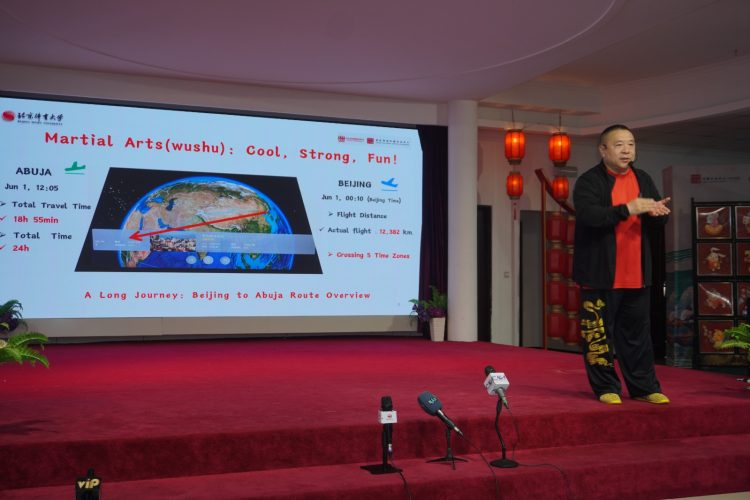
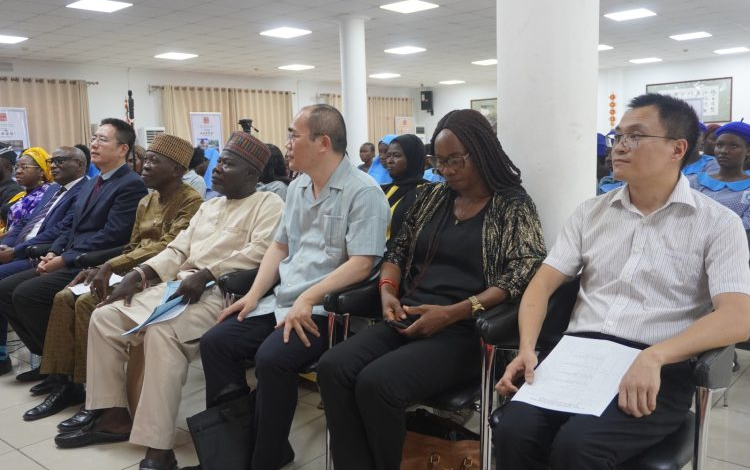
The Chinese Wushu (Martial Arts) Premium Exhibition, hosted at the China Cultural Centre in Nigeria, brought together diplomats, sports administrators, academics and cultural enthusiasts to celebrate the heritage and philosophy of traditional Chinese martial arts.
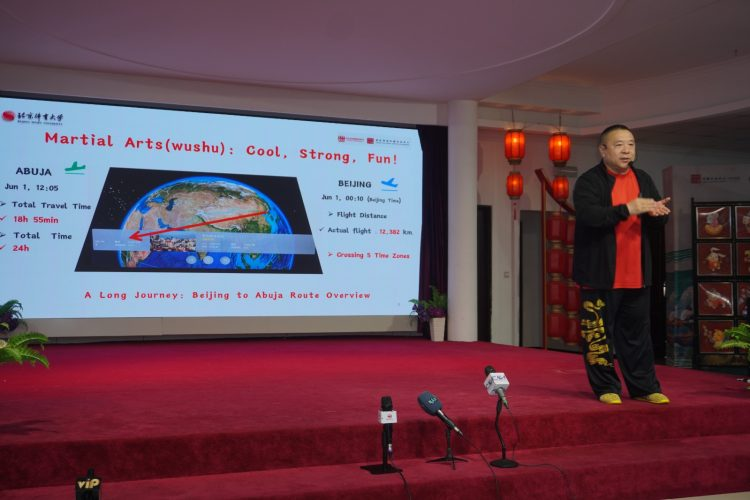
The programme featured a series of presentations and interactive displays led by martial arts expert Professor Wu Dong and his delegation from Beijing Sport University, offering participants an immersive experience of Wushu as both a physical discipline and a cultural expression.
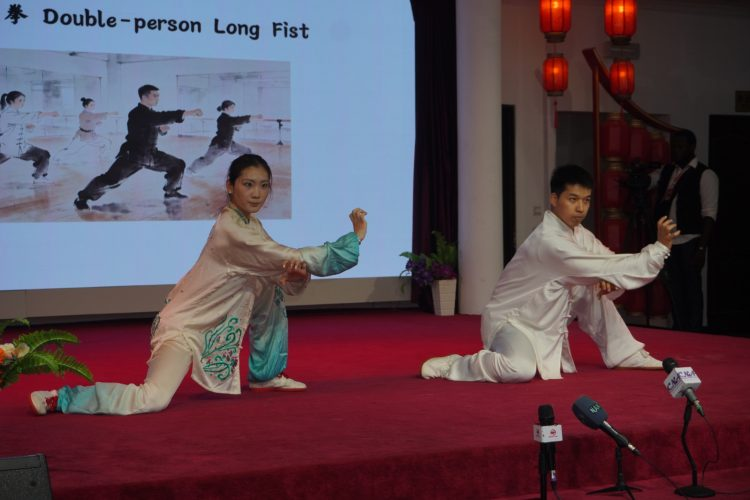
Exhibitions were organised around four thematic areas, including Wu Yuan – Drawing Meaning from Forms, First Techniques in Harmony with Nature; Martial Arts – Tempered Through Thousands of Hammers, Competing with Weapons; Wu Dao – The Way of Tai Chi, Fist and Fist Combine; and Martial Music – Practicing Martial Arts Together, Joy in Body and Mind.

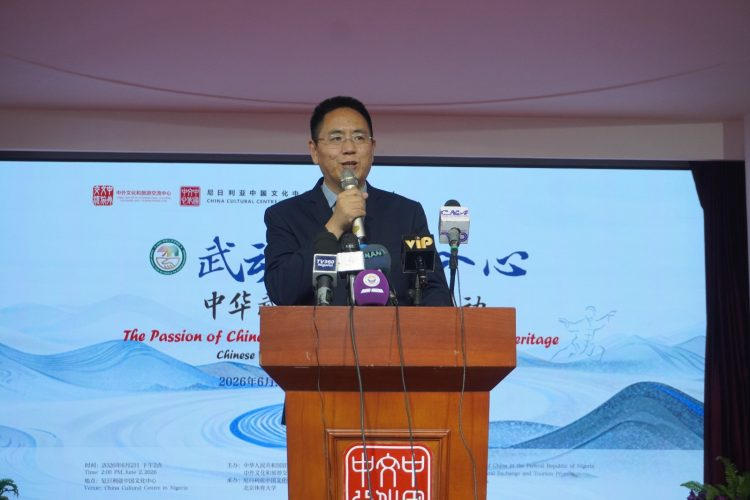
Speaking at the opening ceremony, Counsellor Yang Jianxing of the Chinese Embassy in Nigeria stressed the importance of cultural exchange in strengthening mutual understanding and international friendship.
He said Chinese martial arts go beyond physical training, describing them as a reflection of long-standing cultural values that emphasise discipline, respect, harmony and moral development. According to him, Wushu also expresses the Chinese worldview of peaceful coexistence and balance between humanity and nature.
“The essence of martial arts is not about combat, but about cultivating peace, character and self-improvement. Its value lies not only in movement, but in the development of virtue and understanding,” Yang said.
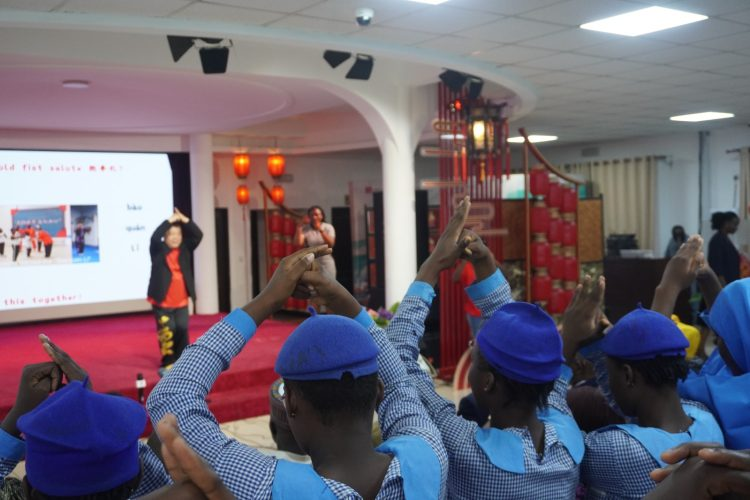
He explained that the exhibition was designed to give Nigerians direct exposure to Chinese martial arts through demonstrations, lectures and interactive sessions, while also serving as a platform to deepen cultural ties between both countries.
Yang further noted that China-Nigeria relations have continued to expand over the decades, extending beyond political and economic cooperation to include strong cultural and educational linkages that have strengthened friendship between both peoples.
“The progress in China-Nigeria relations is not only the result of practical cooperation, but also the deep and enduring friendship between our peoples,” he added.
In his remarks, Chairman of the National Sports Commission, Shehu Dikko, described the exhibition as a meaningful convergence of sport, culture and diplomacy.
Dikko, who was represented by the Commission’s Special Adviser on Legal, Strategy and Administration, Musa Ahmadu, said Wushu reflects the values of discipline, balance, respect and excellence that are central to traditional sports worldwide.
He noted that although Nigeria and China have maintained strong cooperation in trade, infrastructure and economic development, cultural and sporting exchanges remain critical to strengthening long-term bilateral relations.
“Sports speaks a universal language. It crosses borders, bridges differences and brings people together in ways that formal diplomacy often cannot,” he said.
According to him, sports diplomacy remains a powerful tool for enhancing people-to-people engagement, particularly among young people, while fostering mutual respect and understanding between nations.
Dikko commended the Chinese Embassy and the China Cultural Centre for promoting Wushu in Nigeria, describing the initiative as an opportunity for Nigerians to engage with an important aspect of Chinese heritage while opening new pathways for collaboration in sports and education.
He said the initiative aligns with the National Sports Commission’s mandate under President Bola Ahmed Tinubu’s Renewed Hope Agenda, which seeks to reposition sports as a driver of youth development, economic growth and international engagement.
“Nigeria has a youthful and talented population, while China brings advanced systems and experience in sports development. This presents a strong foundation for partnership and shared growth,” he said.
He added that both countries could expand cooperation through exchange programmes, youth engagement, and joint development in areas such as coaching, sports science, athlete preparation, sports medicine and infrastructure management.
Dikko reaffirmed the Commission’s readiness to deepen collaboration with the Chinese Embassy, the China Cultural Centre and Beijing Sport University to further strengthen bilateral relations through sports and cultural initiatives.
The exhibition featured live demonstrations and cultural performances, offering participants a deeper appreciation of Chinese martial arts as a blend of philosophy, discipline and artistic expression, while reinforcing growing ties between China and Nigeria.