0
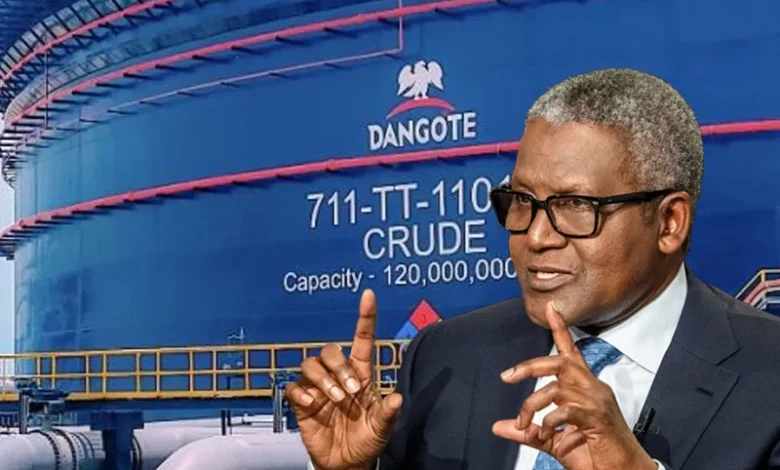
ABUJA – Dangote Petroleum Refinery has reduced its petrol gantry price by N75 per litre, lowering the ex-depot rate from N1,250 to N1,175 per litre, in a move likely to ease pressure on fuel marketers and consumers already burdened by high transportation and energy costs.
The latest price adjustment comes amid improving sentiment in the global oil market following signs of de-escalation in tensions between the United States and Iran, as well as the reopening of the Strait of Hormuz, one of the world’s most critical oil transit routes.
The Strait of Hormuz handles a significant share of global crude oil shipments, and disruptions in the corridor often trigger immediate spikes in international crude prices.

The recent geopolitical tensions between Washington and Tehran had raised fears of supply constraints, contributing to higher refined petroleum costs globally and adding pressure to Nigeria’s downstream market.
Observers note that Dangote Refinery’s latest reduction reflects how quickly local fuel pricing responds to international developments. When tensions escalated and crude prices surged, petrol prices in Nigeria climbed sharply, with retail prices in several cities moving above N1,000 per litre.
The new gantry price is expected to influence pump prices across the country, though analysts say the full benefit will depend on marketers’ pricing strategies, logistics costs, foreign exchange rates, and distribution margins.
However, the price cut has also reignited debate over fuel pricing transparency.
Many consumers argue that if marketers and refiners can raise prices almost immediately during global supply shocks, reductions should also be passed on just as quickly when market conditions improve.
Some energy analysts insist that petrol prices should gradually return to levels seen before the geopolitical crisis, with many Nigerians expecting pump prices to trend toward the N700–N800 per litre range, provided crude prices remain stable and exchange rate pressures ease.
Nigeria’s fuel market has remained highly sensitive since the removal of petrol subsidy in 2023, leaving domestic prices largely dictated by global crude benchmarks, import costs, and refinery output.
The Dangote refinery, Africa’s largest single-train refinery, has increasingly become a major player in shaping domestic fuel prices as it ramps up supply to the local market.
Market watchers say the refinery’s latest adjustment may signal further reductions if global oil supply remains stable and regional tensions continue to cool.
For millions of Nigerians struggling with rising living costs, any sustained drop in petrol prices could provide much-needed relief across transportation, food distribution, and household expenses.