The Minister of Environment, Balarabe Abbas Lawal, announced the development in a statement issued by the ministry’s Director of Information and Public Relations, Ibrahim Haruna.
He described the move as a strategic step aligned with the Renewed Hope Agenda of Bola Ahmed Tinubu, aimed at improving efficiency and service delivery.
According to the minister, the agency will now operate from the Afforestation Programme Coordinating Unit (APCU) complex in Kano, a location considered central to its operational activities across northern states.
The Great Green Wall Programme, an initiative of the African Union, targets desertification, land degradation, and climate change across the Sahel-Sahara region. In Nigeria, it covers 11 frontline states, including Adamawa, Bauchi, Borno, Gombe, Jigawa, Kano, Katsina, Kebbi, Sokoto, Yobe, and Zamfara.
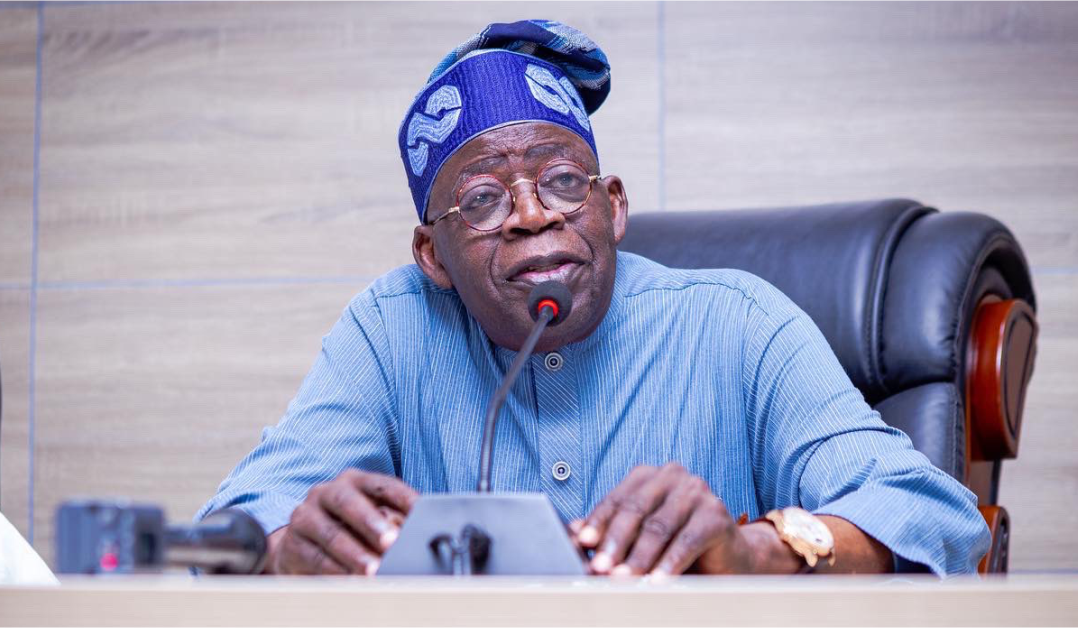
Lawal said the agency is tasked with developing a 15-kilometre-wide and 1,500-kilometre-long green belt across these states to promote environmental sustainability, enhance food security, and reduce rural poverty.
He highlighted achievements recorded since the programme began in 2013, including the establishment of over 100 shelterbelts, construction of about 159 solar- and wind-powered boreholes, engagement of 600 youths as forest guards, and development of 240 hectares of community orchards and woodlots.
The minister noted that relocating the headquarters would address operational challenges linked to its previous base in Abuja, which was far from most of its project areas.
“Positioning the agency in Kano will improve monitoring, enhance coordination with state governments and local communities, and ensure more effective implementation of its programmes,” he said.
He added that the APCU facility in Kano, originally established in 1988, would now serve as the agency’s permanent headquarters, revitalising an underutilised federal asset.
Lawal expressed confidence that the relocation would boost efforts to combat desertification, restore degraded lands, and improve livelihoods in affected communities.
What do you think about this?
Drop your opinion in the comment section.
FOLLOW US & Share this with someone who needs to see this.