Israel’s Prime Minister Benjamin Netanyahu has made a career out of surviving. Indicted on corruption charges, deserted by allies, condemned by courts, none of it has derailed him.
His lifeline has been war. Not victory, not security, but the perpetual threat of annihilation, from Hamas, from Hezbollah and from Iran. As long as Israel is launching brutal attacks, mostly killing civilians, Netanyahu governs.
The moment peace takes hold, he faces his own people in a courtroom. That calculus explains everything: why ceasefires collapse, why deals evaporate, why US mediators return from the region empty-handed.


It explains why, despite five increasingly furious confrontations from US President Donald Trump, the man who promised to be Israel’s greatest patron in the White House has found himself played at every turn by a prime minister who cannot stop the wars he needs to keep himself out of prison.
June 1, 2026: ‘You’re f**king crazy’
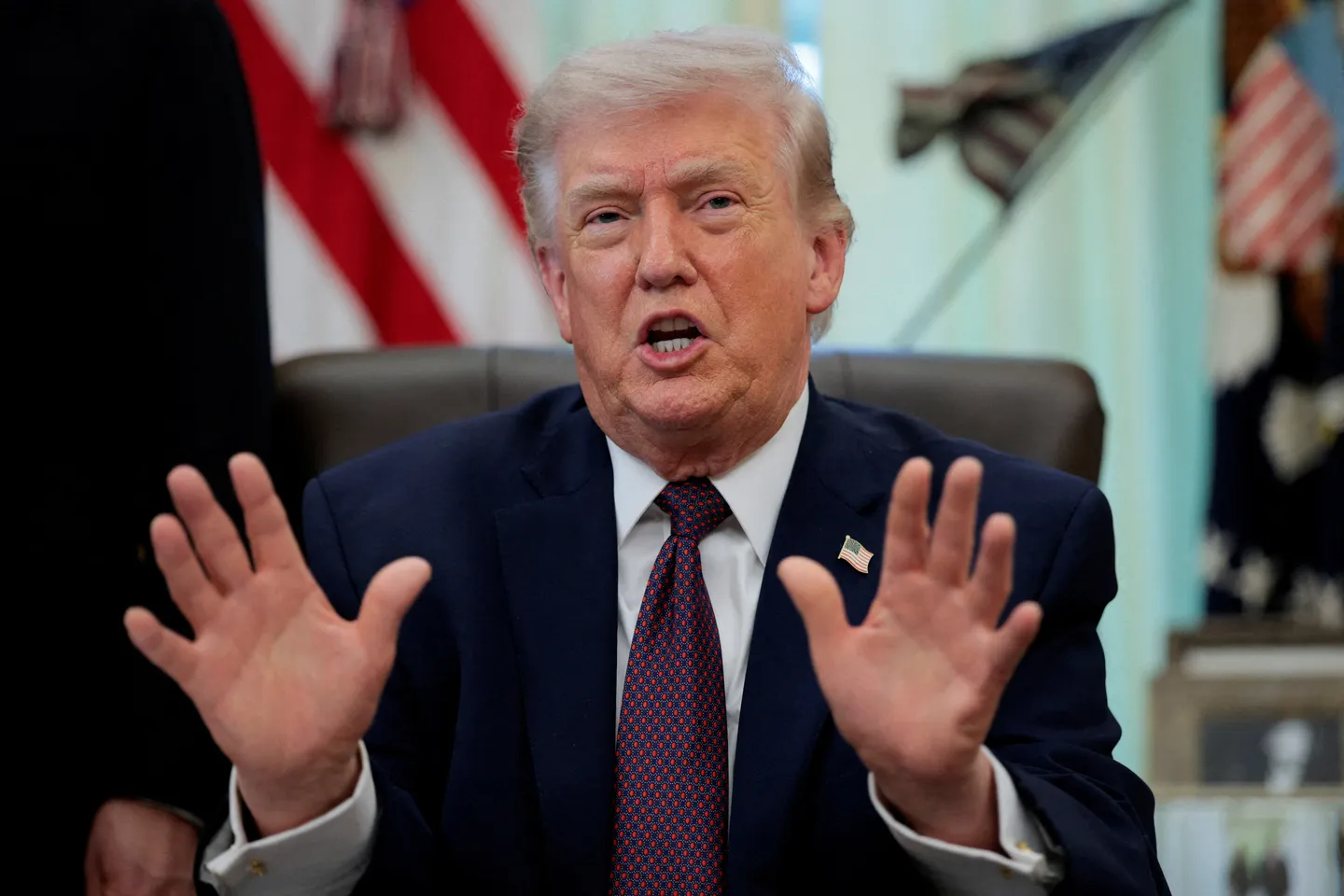
On 1 June 2026, all diplomatic decorum collapsed. With Israel threatening to bomb Beirut, a move that had prompted Iran to threaten abandoning nuclear negotiations entirely, Trump called Netanyahu in what US officials described as one of the worst calls between the two leaders since Trump returned to office.
According to Axios, Trump told him: “You’re f**king crazy. You’d be in prison if it weren’t for me. I’m saving your ass. Everybody hates you now. Everybody hates Israel because of this.”
He reminded Netanyahu of his personal support during the corruption trial and warned that striking Beirut would further isolate Israel globally.
One official said Trump “steamrolled” him, “Bibi said, OK, OK, just make sure everything is taken care of.” But Netanyahu’s public statement said something different: “Our position remains the same.”
Netanyahu, who is wanted by the ICC over war crimes and crimes against humanity in Gaza, said Israel would attack Beirut if Hezbollah did not stop, and that southern Lebanon operations would continue.
In the gap between those two accounts lies the entire story of Netanyahu’s relationship with Trump, an Israeli politician who says yes to the most powerful man in the world, then finds a way to do exactly what he wanted anyway.
May 2026: ‘Hair on fire’
In May 2026, Trump was deep in nuclear negotiations with Iran, the kind of diplomacy that would strip Netanyahu of his most powerful justification for perpetual conflict.
Their phone call on May 20 was described by sources as “difficult,” with one source telling Axios that Netanyahu’s “hair was on fire” afterwards.
Trump told Netanyahu that mediators – Qatar, Pakistan and others – were working toward a letter of intent between Washington and Tehran.
Netanyahu, who wants to resume strikes on Iran to “further degrade its military capabilities,” made clear his deep scepticism. He was so alarmed that his ambassador in Washington informed US lawmakers of his concerns.
The embassy denied it. But Netanyahu’s behaviour followed a familiar pattern: publicly deferring to Trump while privately lobbying to blow up whatever deal was on the table.
Trump, in public, insisted Netanyahu “will do whatever I want him to do”, a claim that, by June 2026, would be undermined by events.
April 2026: Lebanon on the brink