27
For Market Share In The Beer Sector
For decades, Nigeria’s beer market has been one of the most competitive segments of the country’s consumer goods industry. While international brands and premium lagers often dominate national conversations, a different battle has been quietly shaping drinking habits across the South-West. It is a contest involving three of the region’s most recognizable beer brands, Goldberg Lager Beer, Trophy Lager Beer and 33 Export Lager.
From Lagos to Abeokuta, Ibadan to Akure, Osogbo to Ado-Ekiti, the three brands have fought relentlessly for consumer loyalty, retail shelf space and visibility at social gatherings. Together, they have become household names among beer drinkers in the South-West, creating one of the fiercest rivalries in Nigeria’s brewing industry.
Among the three, Goldberg remains one of the oldest and most established brands. Introduced in 1971 by Nigerian Breweries Plc, the beer quickly gained acceptance among consumers who were looking for a quality lager with a distinct taste and local appeal. While the brand enjoyed national recognition, it found its strongest foothold in the South-West, where its association with cultural celebrations and traditional values resonated deeply with consumers.


Over the years, Goldberg became more than just a beer. It evolved into a cultural symbol. Through sponsorship of festivals, community events and entertainment programmes, the brand strengthened its relationship with consumers across Yoruba-speaking states. Its advertisements frequently reflected local traditions and values, helping it maintain relevance across generations.
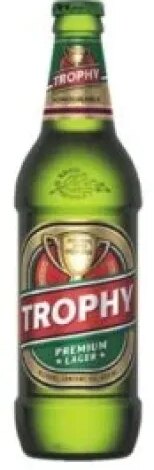
Not willing to surrender the market to Goldberg was Trophy Lager Beer. Produced by International Breweries, Trophy entered the market in 1978 from its brewery in Ilesa, Osun State. The brand’s roots within the South-West gave it an immediate advantage among consumers who viewed it as a beer that truly belonged to the region.
Trophy’s famous nickname, “Honourable Beer,” became one of the most successful branding campaigns in Nigeria’s brewing history. The slogan resonated with consumers and helped establish an emotional connection that has lasted for decades. In many parts of Osun, Oyo and Ogun States, Trophy became the preferred choice at ceremonies, football viewing centres and social gatherings.
Then came another formidable challenger, 33 Export Lager. Introduced by Nigerian Breweries in 1979, the brand entered the market with a different identity. While Goldberg was deeply rooted in culture and Trophy focused on regional pride, 33 Export positioned itself as a beer associated with friendship, unity and celebration.
Its famous “33” identity became widely recognized across Nigeria. The beer’s marketing campaigns consistently emphasized togetherness, making it a favourite among groups of friends, workers and social clubs. Over time, 33 Export built a strong following not only in the South-West but also in other parts of the country.
The result has been a three-way rivalry that continues to shape beer consumption patterns across the region.
Industry observers note that the South-West remains one of Nigeria’s largest beer-consuming regions. With Lagos serving as the country’s commercial capital and neighbouring states contributing millions of consumers, breweries have long viewed the region as critical to their growth strategies.
As a result, Goldberg, Trophy and 33 Export have become locked in a continuous battle for market share.
Over the last five years, the competition has become even more intense. Economic pressures, rising inflation and changing consumer preferences have forced breweries to rethink their strategies. Companies have invested heavily in promotions, sponsorships, product visibility and consumer engagement programmes.
The rivalry became particularly visible during major festivals and cultural events. Whether it is the Ojude Oba Festival in Ijebu-Ode, Osun Osogbo Festival, Lisabi Festival in Abeokuta or numerous local celebrations across the South-West, the three brands often compete for attention through branding, sponsorships and entertainment activities.
Marketing experts say these events are important because they bring brands closer to consumers.
According to industry analyst Kunle Akinyemi, beer purchasing decisions are often influenced by emotional attachment rather than price alone.
“People tend to support brands that reflect their lifestyle and identity. Goldberg, Trophy and 33 Export have all spent years building emotional connections with consumers. That is why the competition remains strong despite the emergence of newer brands.”
The battle extends beyond festivals and celebrations. It is equally intense at retail outlets, neighbourhood bars and distribution centres.
A retailer in Lagos said sales of the three brands often fluctuate depending on location and customer demographics.
“There are some areas where Goldberg sells fastest because customers have been drinking it for years. Trophy also has very loyal customers, especially those who identify strongly with its heritage. Then you have 33 Export, which attracts people who like its taste and image. The competition is very close.”
A beverage distributor in Ibadan offered a similar perspective.
“On weekends, these three brands move in large quantities. Sometimes one brand leads, and the following week another takes the lead. It depends on promotions, events and consumer mood.”
Market watchers estimate that Goldberg, Trophy and 33 Export collectively account for a substantial share of lager beer consumption across the South-West. While exact figures vary across industry reports, the three brands consistently rank among the most consumed beers in the region.
The emergence of digital marketing has added another layer to the competition. Breweries now rely heavily on social media campaigns, influencers, music events and online consumer engagement to maintain relevance among younger drinkers.
Goldberg has continued to leverage its cultural identity while introducing modern marketing approaches. Trophy has expanded community engagement efforts and football-related campaigns. Meanwhile, 33 Export has focused on strengthening its message of friendship and togetherness.
For consumers, each brand offers something different.
At a popular viewing centre in Abeokuta, opinions were divided among football fans watching a weekend match.
One customer insisted that Goldberg remains the king of the South-West beer market.
“Goldberg has history. It has been around for generations. When people celebrate important occasions, many still choose Goldberg because it is trusted.”
Another consumer disagreed.
“Trophy is the real people’s beer. It has deep roots in this region. Many people grew up seeing Trophy at family celebrations and community events.”
A third participant quickly defended 33 Export.
“You cannot ignore 33. It has a unique taste and a strong reputation. Many younger consumers prefer it because of its image and branding.”
Such debates have become common across bars and restaurants throughout the region.
For marketers, these conversations are evidence of strong brand loyalty. In an era where consumers are constantly exposed to new products, maintaining long-term loyalty is one of the most valuable assets any brand can possess.
Industry analysts also point to another factor behind the rivalry, the importance of affordability.
As inflation continues to affect household spending, consumers have become increasingly selective about how they spend their money. Breweries have responded by introducing various packaging options and promotional offers aimed at retaining customers.
Retailers report that promotional campaigns often lead to temporary shifts in demand. A successful marketing campaign can increase sales significantly in a particular location, forcing competitors to respond with their own incentives.
Despite the intense competition, the three brands share one important characteristic: resilience.
Goldberg has survived for more than five decades while maintaining relevance among consumers. Trophy has transformed itself from a regional beer into one of the country’s most recognized lager brands. 33 Export has remained a powerful force by continuously adapting to changing consumer preferences.
Their ability to endure reflects the strength of Nigeria’s beer culture and the loyalty of consumers who continue to support established brands.
Looking ahead, industry observers expect the rivalry to become even stronger. The South-West remains a strategic market, and breweries are likely to continue investing heavily in promotions, sponsorships and consumer engagement initiatives.
The competition may also extend into new areas such as digital commerce, experiential marketing and entertainment partnerships. As younger consumers become more influential in purchasing decisions, brands will need to balance tradition with innovation.
For now, however, the battle remains firmly rooted in the everyday experiences of consumers. It plays out in neighbourhood bars, football viewing centres, restaurants, parties, weddings and cultural festivals across the South-West.
More than fifty years after Goldberg first entered the market, nearly five decades after Trophy emerged from Ilesa and over forty-five years after 33 Export established itself among Nigerian consumers, the three brands continue to define a significant part of the region’s beer culture.
Whether a consumer reaches for Goldberg, Trophy or 33 Export, one thing is certain: the rivalry among the three brands has become one of the most enduring contests in Nigeria’s brewing industry. It is a battle driven by history, culture, loyalty and changing consumer tastes, a battle that continues to shape the fortunes of breweries and the drinking habits of millions across the South-West.
By Benprince Ezeh
08068599879
What do you think about this?
Drop your opinion in the comment section.
FOLLOW US & Share this with someone who needs to see this.