An environmental rights group, We The People (WTP), has called on the federal government and multinational oil companies operating in the Niger Delta to take urgent steps to end gas flaring in the region.
The group also urged both government and oil firms to address what it described as the devastating health, environmental, and social consequences of decades of fossil fuel extraction on frontline communities.

The Executive Director of WTP, Ken Henshaw, made the call on in Port Harcourt during an event to mark the 2026 World Environment Day.
Henshaw said communities across the Niger Delta have endured decades of continuous exposure to gas flare stacks, which he described as permanent features of their environment.
“As the world marks World Environment Day 2026, We the People is calling for urgent action to end routine gas flaring in the Niger Delta and address the devastating health, environmental, and social consequences that decades of fossil fuel extraction have imposed on frontline communities,” he said.
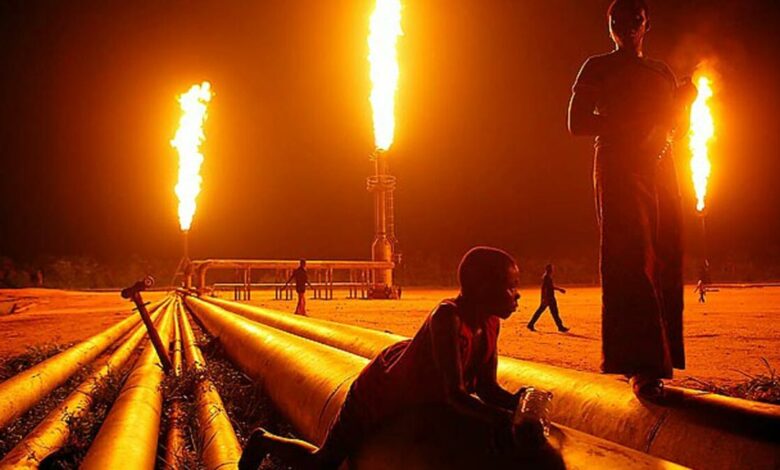
He lamented that many residents have lived their entire lives under constant gas flaring, with flames burning day and night near homes, schools, farms, rivers, and fishing settlements.
“For decades, communities across the Niger Delta have lived in the shadow of gas flare stacks. Day and night, flames have burned beside homes, schools, farms, rivers, and fishing settlements, releasing methane, carbon dioxide, particulate matter, and other pollutants into the atmosphere,” he said.
Henshaw added that despite the region’s vast natural resource wealth, the Niger Delta continues to bear the brunt of environmental degradation and social hardship linked to oil and gas production.
He said while governments and corporations have generated significant revenue from hydrocarbon extraction, affected communities continue to suffer poor health outcomes, declining livelihoods, and inadequate public services.
“Oil and gas production have generated enormous wealth for governments and corporations, while many communities closest to extraction sites continue to experience environmental degradation, poor health outcomes, declining livelihoods, and inadequate public services,” he said.
He further noted that gas flaring remains a major symbol of environmental injustice in the region.
According to him, residents have reported increasing cases of respiratory illnesses, skin conditions, eye problems, acid rain, contaminated water sources, and declining agricultural productivity.
“Farmers speak of reduced crop yields. Fisherfolk describe disappearing fish stocks and polluted waterways. Families recount generations growing up under the glow and noise of flare stacks that never seem to stop burning,” he added.