Hormuz disruptions could raise vulnerable economies’ oil import costs by $20B per year: UN trade agency

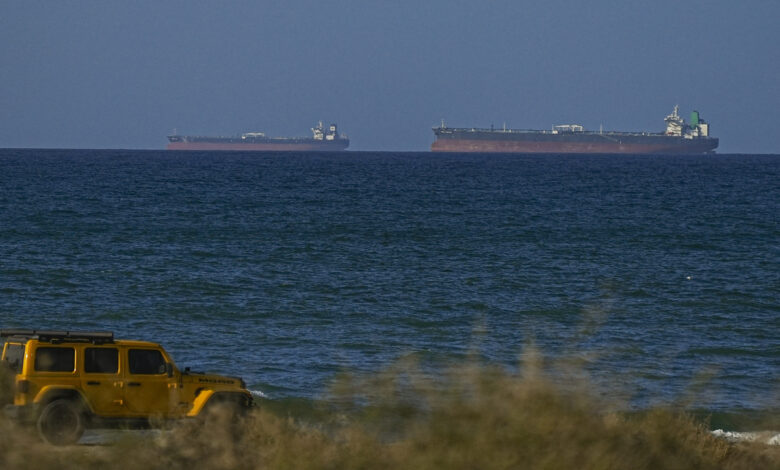
Disruptions in the Strait of Hormuz could increase the annual oil import bill of vulnerable economies by more than $20 billion, the United Nations Conference on Trade and Development (UNCTAD) said Tuesday, Anadolu reports.
That would place additional pressure on countries already facing significant economic challenges.
In a new report, UNCTAD said 65 of 75 vulnerable economies, including least developed countries (LDCs) and small island developing states (SIDS), are net importers of oil. Together, the economies are home to 983 million people, more than 30% of whom live below the extreme poverty line of $3 a day.

The agency said crude oil prices have risen by more than 40% and gasoline prices by more than 50% following the latest military escalation.
The report said vulnerable economies rely overwhelmingly on refined petroleum products, which account for 97.8% of their net oil imports, reflecting limited domestic refining capacity.
UNCTAD estimates that a 50% increase in oil prices would raise the annual net oil import bill of the 65 vulnerable economies by $20.4 billion if import volumes remain unchanged. Of that amount, $16.1 billion would fall on LDCs and $4.3 billion on SIDS.
READ: Trump says talks with Iran’going on continuously,’ adds, ‘where they lead, one never knows’
The report identified several countries facing particularly high exposure. A 50% oil price increase would raise import costs by the equivalent of 7.3% of GDP in Mauritania, 6.3% in Gambia and 5% in Burkina Faso. Among SIDS, the increase would reach 5.8% of GDP in Vanuatu, 5.2% in the Maldives and 4.4% in Tonga.
UNCTAD also highlighted dependence on oil supplies originating from the Hormuz region. Seychelles sources 99% of its oil imports from the region, while Uganda relies on it for 61.5% of its imports. Mauritius, Tanzania, Zambia, the Maldives, and Mauritania also source significant shares of their oil imports from the area.
The agency warned that higher oil prices would increase freight and fuel costs, contribute to broader inflation, place additional fiscal pressure on governments and slow economic growth. It said vulnerable economies could face difficult trade-offs between covering rising fuel bills and sustaining essential services and long-term development investment.
The report said, “When the Strait of Hormuz is strangled, the world’s poorest and most vulnerable cannot breathe,” quoting UN Secretary-General Antonio Guterres.
READ: US and Iran remain divided as negotiations continue