Iranian foreign minister, Hamas leader in Gaza discuss latest Palestinian, regional developments

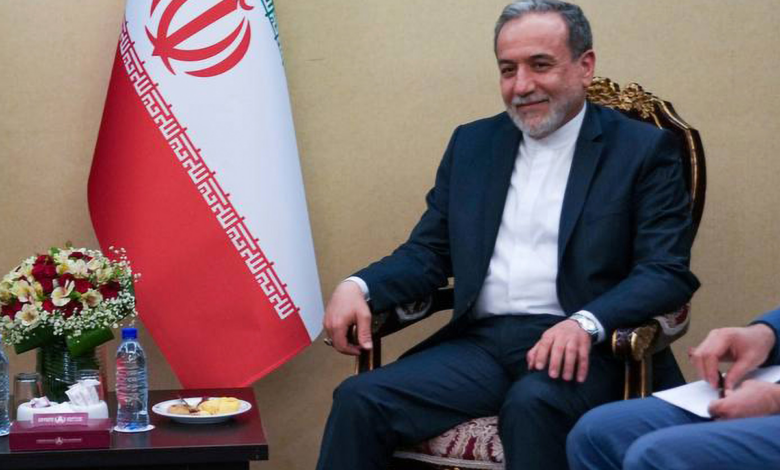
Iranian Foreign Minister Abbas Araghchi held a phone call Thursday with Khalil al-Hayya, head of the Palestinian movement Hamas in the Gaza Strip, and they discussed Palestine and the latest regional developments.
Araghchi explained the latest measures taken by Iran to stop the war in the region, the semi-official Tasnim News Agency reported, citing an Iranian Foreign Ministry statement.
He stressed “Iran’s principled policy of supporting the legitimate resistance of the peoples of the region, particularly in Palestine and Lebanon, against the occupation and assaults of the Zionist entity,” meaning Israel.

For his part, al-Hayya praised the stance of the Iranian negotiating delegation for stressing a simultaneous cessation of war across all regional fronts, expressing gratitude for Iran’s steady support for the Palestinian people’s legitimate struggle.
He provided an update on the current situation in occupied Palestine, particularly the Gaza Strip, amid ongoing Israeli aggression, occupation, and its obstruction of the ceasefire
Israel’s two-year genocidal war on Gaza starting in October 2023 killed nearly 73,000 Palestinians and injured more than 173,000, most of them women and children, according to Palestinian figures.
READ: Islamic Jihad accuses Israel of continued violations of Gaza ceasefire
Despite a ceasefire that took effect last October, the Israeli army has since killed 932 Palestinians and injured 2,859 in almost daily attacks, according to the Gaza Media Office.
Lebanon and Israel agreed Wednesday to renew their fragile ceasefire and establish “pilot zones” placing the Lebanese army in exclusive territorial control, with all non-state actors excluded.
The agreement was announced in a joint statement released following a fourth round of US-mediated talks held in Washington.
The US-sponsored talks followed weeks of near-daily Israeli strikes on Lebanon that have killed nearly 3,500 people since March 2, despite a ceasefire that took effect on April 17 and later was extended to early July.
READ: Hezbollah rejects Lebanon-Israel ceasefire agreement