The Israeli military censor on Monday imposed strict restrictions on coverage of the ongoing regional war, ordering journalists not to publish information about missiles landing at military sites in the country, Anadolu Agency reports.
The move came after Israel reignited tensions Sunday evening by bombing the Lebanese capital Beirut, triggering retaliatory missile attacks from Iran. Israel responded by launching waves of airstrikes against Iranian targets inside the country.
The military censor said in a circular sent to journalists that they must fully comply with its instructions regarding any Iranian or Hezbollah fire toward Israel.

“Do not publish the exact number of missiles launched in each volley. You may use general phrases such as scattered missiles or dozens, but not precise numbers,” the instructions said.
“Do not publish reports about missiles that fell before reaching their target or crashed along their path. Instead, say they did not reach their destination,” the circular said.
READ: Iran ends attacks on Israel, warns of ‘crushing’ response if Lebanon strikes continue
The censor also ordered journalists not to publish “any information about missiles landing at military or strategic sites, or at sea.”
It further instructed them not to publish “any videos showing interceptor missiles hitting targets.”
It was not the first time Israel has imposed strict censorship on coverage of the ongoing war. Israel previously imposed a broad blackout on its actual losses from Israeli wars in the region.
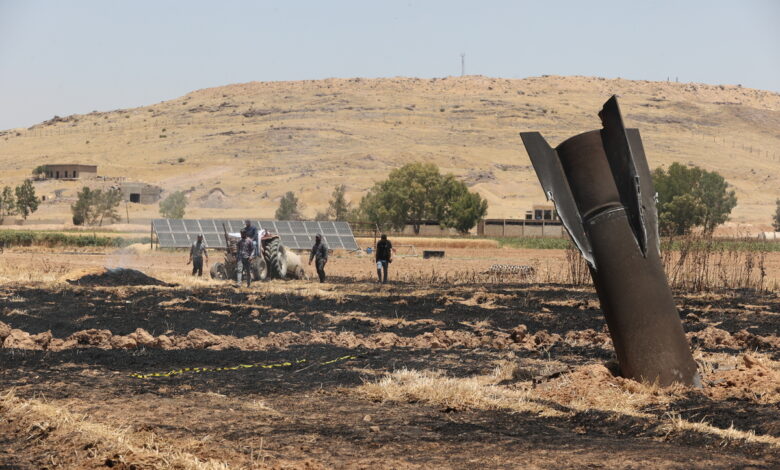
Israel also banned the circulation of visuals related to the sites where missiles and drones landed in Israeli cities, towns and settlements.
Observers say the human and material losses Israel announces from missiles and drones that land or are intercepted are lower than the actual toll under strict censorship.
The region has been on edge since the US and Israel launched airstrikes on Iran in late February, triggering Iranian retaliation on Israel and other regional countries hosting US assets.
A temporary ceasefire was reached on April 8, but negotiations later stalled amid disputes over its implementation and subsequent regional developments.
READ: Counting the costs for the death of Arab political journalism