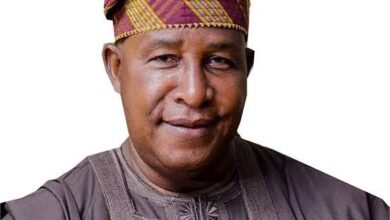
The people of Olayinka Community in Ifelodun Local Government Area of Kwara State have been thrown into deep mourning following reports that their traditional ruler, Oba Salman Olatunji Aweda, has died while in the custody of kidnappers despite weeks of negotiations, prayers, and desperate efforts to secure his release.
The monarch, who was abducted from his palace in April 2026, reportedly died before regaining freedom, bringing a tragic end to a months-long ordeal that gripped the entire community.
Oba Aweda, the Asamu of Olayinka, was kidnapped during a brazen attack on his palace by heavily armed gunmen who stormed the community in the early hours of April 18. According to reports, the attackers fired sporadically, broke into the palace, and forcefully whisked the monarch away into the forest. The incident sparked panic among residents and triggered a large-scale security operation involving the police, local vigilantes, forest guards, and other security agencies.
Kwara State Police Commissioner, Adekimi Ojo, disclosed shortly after the abduction that the assailants also carted away a large sum of money from the palace. Investigators further revealed that the kidnappers had demanded money allegedly given to the monarch by miners who had visited him earlier that day.
In the weeks that followed, members of the Olayinka Community Development Association, family members, traditional leaders, and religious groups launched intensive efforts to secure the monarch’s freedom. The community repeatedly appealed to Governor AbdulRahman AbdulRazaq and security agencies for urgent intervention, describing the continued captivity of their royal father as traumatic and devastating.


Residents said the monarch’s prolonged absence created fear throughout the community, forcing some people to flee while economic and social activities suffered. Community leaders maintained that they left no stone unturned in their efforts to bring him home alive.
READ MORE UPDATE ON OUR LATEST NIGERIA NEWS
Initial reports suggested that the kidnappers demanded as much as ₦400 million for the monarch’s release. However, as negotiations progressed, sources familiar with the discussions claimed that the abductors eventually requested ₦21 million, two motorcycles, and a jerrycan of petrol. Community members reportedly mobilized resources and contributed funds in a desperate attempt to save their traditional ruler.
The devastating news of Oba Aweda’s death emerged on Sunday after an emotional voice message circulated among members of the Olayinka community. In the recording, a member of the committee established to secure the monarch’s release informed residents that all efforts made by family members, community leaders, committees, and religious clerics had failed to secure his return alive.
The committee member urged residents to accept the development as the will of God, noting that extensive investigations, negotiations, and prayers had been undertaken over the past several weeks in the hope that the monarch would return safely. He also announced plans for Islamic funeral prayers in honour of the late monarch despite the fact that his body had reportedly not yet been recovered.
Further reports indicated that a victim recently released by the kidnappers confirmed the monarch‘s death and disclosed that a substantial ransom package had been delivered to the abductors. According to the source, Oba Aweda was allegedly killed despite the community’s efforts and the concessions made during negotiations.
As of the time of filing this report, security agencies had yet to issue a comprehensive official statement confirming the exact circumstances of the monarch’s death or the recovery of his remains. Nevertheless, the news has left Olayinka residents heartbroken and renewed concerns over the worsening insecurity in parts of Kwara State and the North Central region.
The tragic fate of Oba Salman Olatunji Aweda underscores the growing threat posed by kidnapping syndicates targeting traditional rulers and rural communities across Nigeria. It also raises fresh questions about the effectiveness of ransom negotiations and the urgent need for stronger security measures to protect vulnerable communities.
For the people of Olayinka, however, the focus remains on mourning a revered traditional ruler whose return they prayed for, fought for, and sacrificed for only to receive the heartbreaking news that he may never come home alive.