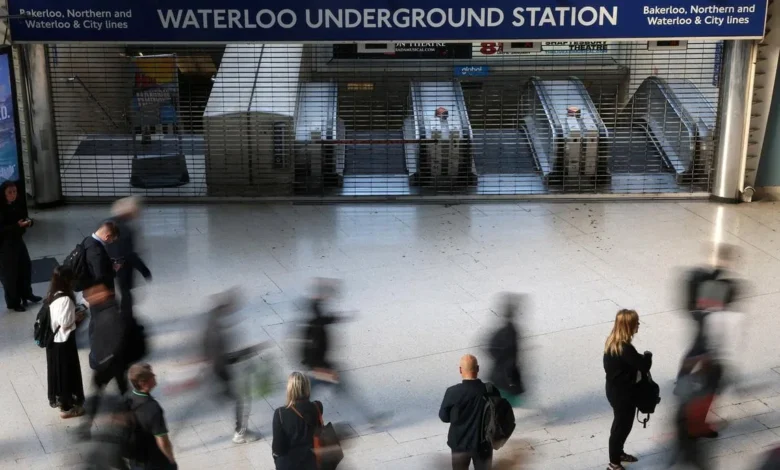
LONDON – Londoners were hit by significant travel disruption on June 2, as some drivers on the city’s Underground train network went on strike in a dispute over working hours.
Walkouts by the National Union of Rail, Maritime and Transport Workers went ahead after failing to strike a deal with Transport for London. A strike is also planned for all day on June 4.
There is no service on the Circle line, the Piccadilly line, and on parts of the Metropolitan and Central lines. Other Tube lines are running but are mostly severely delayed. The Elizabeth line, Docklands Light Railway, London Overground and buses are operating but are likely to be busier than normal.
The walkouts are over TfL’s plan to allow drivers to condense their five-day week into four days by working longer shifts, with the union saying its members are concerned about the impact on fatigue and safety. TfL has said the changes will help improve reliability and are voluntary. Drivers belonging to the Aslef union for train drivers will not be on strike, having agreed to the proposals.

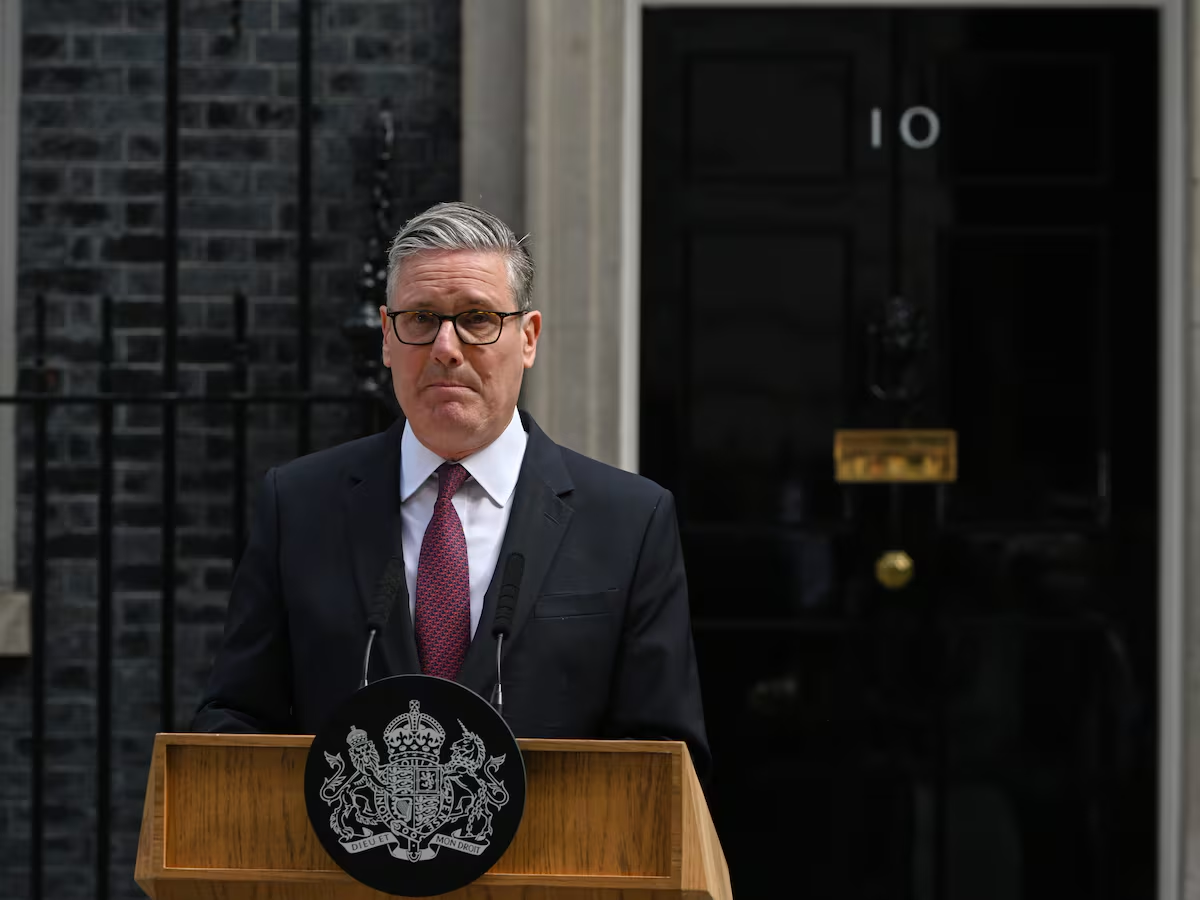
“RMT remains available for meaningful talks, but London Underground cannot push ahead with changes to drivers’ working conditions while refusing to properly address legitimate safety and workplace concerns,” an RMT spokesperson said June 1.
There were limited services before 6.30am and TfL is advising travellers to complete their journeys before 9pm.
Strikes scheduled for May and mid-June were called off in May after a last-minute breakthrough in negotiations, though RMT added the two additional dates for early June. Strikes went ahead in April, and a walk out last September brought London to a standstill when both unions participated.
Unlike the most recent walkouts that affected trains from midday, the strikes this week will affect the entire day.
Many finance industry professionals in the City of London may stay home to avoid the disruption, which would hit hospitality businesses that rely on visits from commuters. BLOOMBERG