Minister of State for Health and Social Welfare, Dr Isiaq Adekunle Salako, has said Nigeria is open for healthcare investment and building workable collaborations with the private sector to advance quality patient care.
At the World Health Expo in Lagos, Salako highlighted the urgent need for advanced diagnostic equipment, therapeutic technologies and digital health infrastructure in federal tertiary hospitals.

He said a multipronged strategy, anchored on public-private partnerships, is critical to ensure that innovations showcased at the expo are translated into real access for patients across the country.
He pointed to a 2024 health infrastructure programme approved by President Bola Ahmed Tinubu and backed by the Nigeria Sovereign Investment Authority, which is rolling out oncology and nuclear medicine centers at six tertiary hospitals and expanding diagnostic radiology, clinical pathology, and cardiac care.
Under the phased programme, the government is establishing 22 modern medical diagnostic centers, six additional oncology facilities, and seven cardiac catheterization laboratories across Nigeria’s six geopolitical zones, Salako said, adding that the federal government remains committed to building an equitable and resilient health system.
He said the government has launched several initiatives aimed at reforming the health sector, including the Presidential Initiative to Unlock Healthcare Value Chains (PVAC) and a Presidential Executive Order focused on the pharmaceutical and allied sectors.
These initiatives are designed to revitalize local manufacturing, boost health security, spur economic growth, and create jobs, Salako said, noting that events such as WHX Lagos help translate innovation into access by connecting policymakers with suppliers.
Special Representative of Africa CDC for West Africa, Prof. Aliko Ahmed, underscored the need to expand African production of medicines and its medical devices.
“As you know, at the moment more than 60 percent of the vaccines and medicines used in Africa are imported, and that is not good. That means Africa’s capacity to produce its own medicines is less than 40 percent. Supported by African heads of state, we want to reverse that by 2040. The heads of state have agreed on a target that by 2040, 60 percent of our medical devices and medical products will be produced in Africa.
“There are a number of actions we are taking to achieve that. We need to support the supply side. Those who manufacture in Africa, ensure they produce medicines and medical products tailored to our needs and that meet high standards, not only for people in Africa but also globally.
”We want Africans to buy from Africa. We want the quality to be high and commensurate with standards anywhere in the world. Part of our program is the African Pooled Procurement Mechanism, which brings the buying power of African countries together to purchase in bulk. Not every African country needs to produce every medicine; countries with capacity can produce certain products on behalf of the continent. Africa must work as one rather than as 55 separate countries with different capabilities.
“To achieve this, we must harmonize regulation so that a product made in Nigeria can be sold in Senegal or Ethiopia. The principles we are working on are quality, access to market, and ensuring a guaranteed market that African governments can buy from manufacturers.”
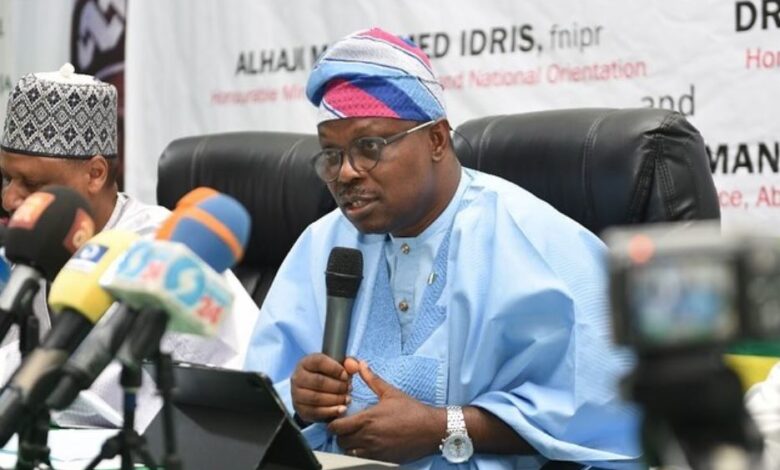
Lagos State Commissioner for Health, Prof. Akin Abayomi, speaking at the event, said adopting modern equipment requires not just procurement but also plans for maintenance, compliance, and affordability. He highlighted Lagos’s push for healthcare finance reform and the promotion of insurance uptake as a way to give citizens purchasing power and stimulate private investment in the sector.