Nigeria has reinforced its commitment to fast‑tracking implementation of the African Continental Free Trade Area (AfCFTA), prioritising trade facilitation, legal domestication of protocols and targeted support for exporters, small businesses, women‑owned firms and youth entrepreneurs.
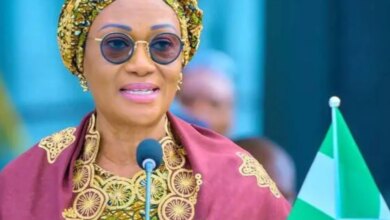
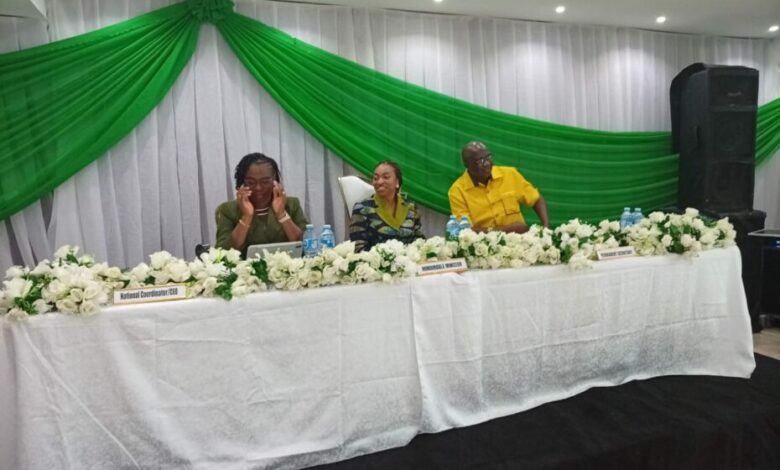
Minister of Industry, Trade and Investment, Dr Jumoke Oduwole, in her opening remarks at the 2nd quarter meeting of the AfCFTA Central Coordination Committee (CCC) in Abuja, on Tuesday, said the committee’s whole‑of‑economy approach brings together institutions responsible for trade, customs, standards, investment promotion, export development and legal reform to prepare Nigeria to take full advantage of the One African Market.
“Since our first quarter meeting we have continued to make steady progress in strengthening Nigeria’s readiness to maximise the opportunities presented by the One African Market,” Dr Oduwole told members of the committee and private‑sector representatives.
She highlighted recent moves including the opening of an additional air cargo corridor with RwandAir, expanded stakeholder engagements at subnational level, and deeper collaboration with the private sector and media.
Practical trade facilitation was a central theme. The minister said many Nigerian firms still face hurdles in certification, export documentation, standards compliance and market‑access procedures, and described the AfCFTA Simplified initiative as “a critical intervention aimed at demystifying these processes and making trade procedures easier to understand and navigate.”
The organised private sector will receive further clarification at the meeting on certification procedures and issuance of Certificates of Origin — the document needed to access AfCFTA preferential treatment.
Dr Oduwole also flagged work to strengthen the legal foundations for the agreement’s implementation, noting ongoing efforts to operationalise the AfCFTA legal framework and domesticate relevant protocols and instruments into Nigeria’s domestic law. Updates on the Framework Agreement and the Protocol on Digital Trade are on the meeting agenda, she said, stressing Nigeria’s leadership in digital innovation and the need to leverage that position in the emerging continental digital economy.
The minister briefed the committee on opportunities under the AfCFTA Adjustment Fund for large corporates and reaffirmed the Coordination Office’s role in driving cooperation among public institutions, development partners, the private sector and the media.
Looking ahead,
Dr Oduwole urged sustained momentum as Nigeria prepares to host a sequence of continental events — AfCFTA Week at the end of June and early July, including the AfCFTA conference on June 29, the AfCFTA Council of Ministers on June 30 and the Digital Trade Forum from July 1–3.
She said hosting these events demonstrates Nigeria’s commitment to boosting export competitiveness, expanding market access, supporting industrial growth and creating jobs.
“We must continue to work together with purpose, commitment and a shared vision for Nigeria’s economic future,” she said.