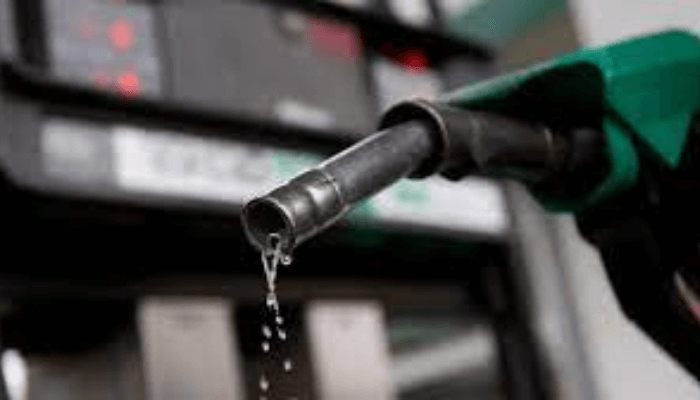
The price of Premium Motor Spirit (petrol) has surged by about 643 per cent in three years, rising from ₦175 per litre in May 2023 to as high as ₦1,300 in May 2026, according to market findings.
Data from fuel stations across Nigeria show that petrol currently sells between ₦1,300 and ₦1,400 per litre depending on location, marking one of the steepest increases in the country’s recent economic history.
The sharp rise in fuel prices was triggered by the removal of petrol subsidy by President Bola Tinubu shortly after he assumed office in May 2023.
The policy immediately pushed pump prices upward, with the Nigerian National Petroleum Company Limited adjusting its rates in line with market realities.


The situation was further worsened by the devaluation of the naira, which increased the cost of importing refined petroleum products and added pressure on domestic fuel pricing.
At the time of subsidy removal, petrol prices jumped from about ₦175–₦200 to over ₦500 per litre. Subsequent foreign exchange reforms and the floating of the naira in mid-2023 pushed prices above ₦1,000 in several locations.
Industry developments, including temporary price moderation following the launch of domestic refining capacity, briefly eased costs to between ₦800 and ₦900 per litre. However, renewed global oil disruptions linked to Middle East tensions and supply concerns have driven prices upward again.
The current spike has been linked to instability in global crude oil supply chains, which has affected landing costs and depot prices across the country.
The price surge has contributed to higher inflation and increased transportation and food costs, placing further pressure on households already grappling with economic hardship.
Energy experts and stakeholders have called for targeted government interventions, including direct support for vulnerable citizens, rather than a return to fuel subsidies.
They argue that while higher oil prices may boost government revenue, the impact on living standards remains severe.
Some stakeholders also urged the government to explore temporary relief measures such as transport support and targeted cash transfers to cushion the effect of rising fuel costs.
However, the federal government has maintained that it will not reverse subsidy removal or introduce price controls, insisting on a fully market-driven petroleum pricing system.
Analysts say future petrol price movements will depend largely on global crude oil trends, exchange rate stability, and domestic supply capacity.