By Adefolarin A. Olamilekan
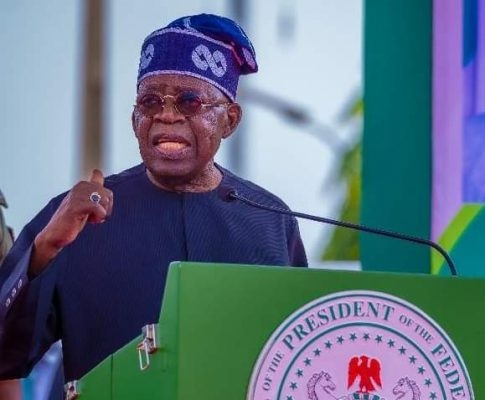
Nigeria marked 27 years of uninterrupted democratic governance on May 29, 2026, having sustained civilian rule since 1999.President Bola Ahmed Tinubu, in his Democracy Day address, noted that Nigerians have consistently exercised their democratic rights through elections, peaceful transitions of power, and institutional dispute resolution rather than violence. He also stressed that the true value of democracy must be reflected in improved living standards and economic well-being.
However, while acknowledging democratic progress, the author argues that many Nigerians continue to face significant economic hardship despite ongoing reforms. Since assuming office in 2023, the Tinubu administration has introduced economic policies aimed at stabilising public finances, increasing government revenue, and attracting investment.
According to government statements, these reforms have improved fiscal transparency, reduced revenue leakages, and boosted allocations to federal, state, and local governments. Authorities also maintain that increased investor confidence has supported growth across key sectors, including agriculture, energy, manufacturing, mining, transportation, and technology.

Key reforms highlighted include efforts to expand domestic refining capacity, strengthen energy security, and address long-standing challenges in the power sector. The signing of the Electricity Act, which liberalises the electricity market and encourages private-sector participation, was also cited as a major policy milestone.
Despite these measures, the article notes that many households continue to face rising living costs, reduced purchasing power, and broader economic uncertainty. The author further observes that Nigeria’s fiscal environment remains constrained by debt obligations, infrastructure gaps, and the need for economic diversification. The piece concludes that the central test of Nigeria’s democracy lies in its ability to translate political stability into inclusive economic growth and improved welfare for citizens.