By Adefolarin A. Olamiekan
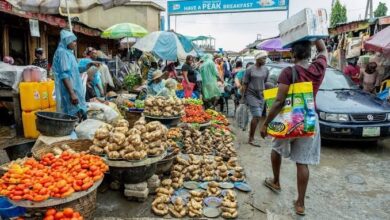
There is no gainsaying the current macroeconomic realities confronting Nigeria, which have tempered the high expectations for economic growth in 2026.Ordinarily, economic growth should translate into improved living standards, price stability, job creation, reduced import dependence, increased productivity, and broader developmental outcomes. However, the Nigerian experience remains markedly different, as many households continue to grapple with rising living costs and persistent economic hardship.
Despite these challenges, several projections indicate that Nigeria’s economy may maintain an upward growth trajectory in 2026, even as the country enters a period of intense political activity ahead of the 2027 general elections.
The economy recorded a Gross Domestic Product (GDP) growth rate of 3.89 per cent in the first quarter of 2026, driven largely by the resilience of the non-oil sector. The services sector remained the principal driver of growth, while agriculture recorded a recovery, growing by 3.15 per cent after previous setbacks that many analysts attributed to widespread insecurity.

Nevertheless, preparations for the 2027 elections could affect economic activity by dampening investor confidence and slowing trade, investment, and other productive ventures.
Global developments also remain a factor. Ongoing geopolitical tensions in the Middle East, particularly involving the United States and Iran, have contributed to volatility in crude oil prices, increased energy costs, and disruptions in fertilizer supply chains. While these developments pose challenges, they may also boost government revenues through higher oil earnings.
Recent economic reforms introduced by the Federal Government are expected to yield stronger results in the coming years. These efforts have been complemented by the banking sector recapitalisation programme, while reforms in the insurance and capital market sectors continue.
Several sectors possess significant growth potential, including banking, capital markets, oil and gas, telecommunications, real estate, construction, agriculture, manufacturing, mining, the creative industry, and international trade.
Diaspora remittances also continue to play an important role in strengthening Nigeria’s foreign exchange position. Additionally, the implementation of the 2026 national budget, particularly through capital expenditure and infrastructure investments, is expected to stimulate economic activity and support growth.
Political campaign spending ahead of the 2027 elections may also provide short-term economic stimulus in sectors such as printing, advertising, transportation, hospitality, event management, and the production of campaign materials.
Taken together, these factors will influence the direction of Nigeria’s economic growth and development in 2026 and beyond. A critical element in this equation is electricity. The relationship between economic growth and a reliable power supply cannot be overstated. Stable electricity is the foundation of industrialisation and has been a key driver of economic advancement in many developed countries.Unfortunately, Nigeria continues to face persistent power sector challenges.
These difficulties are not recent but reflect decades of inadequate investment, policy inconsistencies, and a failure to fully recognise the strategic importance of reliable electricity to economic development. Despite an installed generation capacity of approximately 16,000 megawatts and access to hydro, thermal, and renewable energy sources, electricity supply remains insufficient to meet national demand.
For Nigeria to achieve sustainable economic growth and industrial development, significant improvements are required across the entire electricity value chain, including generation, transmission, and distribution.The ongoing reforms in the power sector are therefore critical.
Greater liberalisation, increased private-sector participation, improved financing, and stronger technical and managerial capacity are essential to unlocking the sector’s potential.The reforms must also address long-standing issues such as cost-reflective tariffs, metering deficits, and operational inefficiencies that continue to affect consumers and businesses.
From a political economy perspective, the success of Nigeria’s growth ambitions will depend largely on the ability of policymakers to sustain reforms, strengthen institutions, improve infrastructure, and deliver a reliable electricity supply capable of supporting industrialisation, productivity, and long-term competitiveness.
Adefolarin A. Olamiekan
Political Economist
Host, The Market Report
ADBN Television, Abuja