Mohamed Adow, director of the Nairobi-based climate and energy think tank Power Shift Africa, said for millions of people across the globe “it’s not just another weather forecast” but a “deadly siren to be feared.”
“It means failed rains, dying crops, rising food prices, and families pushed to the edge yet again.”
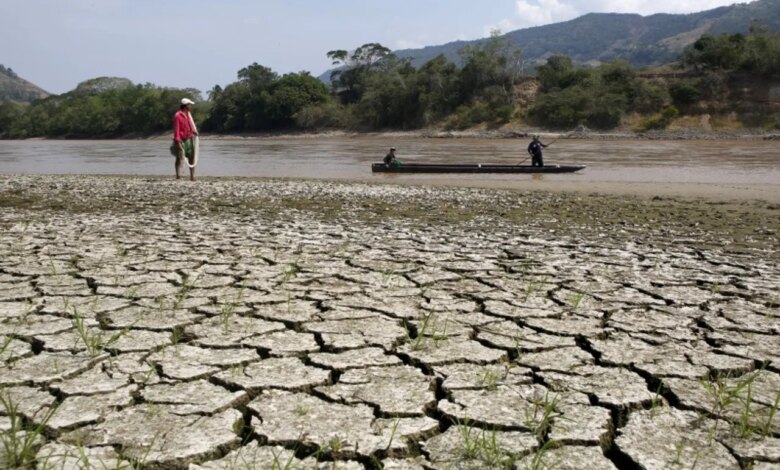
Governments across the dry countries of Central America have raised alert levels over El Nino.


In that region known as the “Dry Corridor” — including parts of Guatemala, Honduras, El Salvador and Nicaragua — El Nino’s return has triggered fears of drought and stoked concerns of famine.
The Guatemalan government, for example, says it has 1.1 million rations ready to distribute in the face of a food security emergency.
In East Africa, Adow said the extremes will likely strike “communities already battered by droughts and floods in recent years.
Predictions from elsewhere in the world mirror those of NOAA, anticipating a particularly strong El Nino.
“The odds are strongly in favour of a moderate to strong, or probably strong to record-breaking, event at this stage,” Carlo Buontempo, the director of Europe’s Copernicus Climate Change service, told AFP news agency.
Earlier this month, UN chief Antonio Guterres urged the world to treat the likely intense incoming weather “as the urgent climate warning it is.”
“El Nino conditions will pour fuel on the fire of a warming world,” he said.
“The only effective response is climate action equal to the crisis — ending the addiction to fossil fuels, accelerating the shift to renewables, protecting the most vulnerable, and delivering early warning systems for all.”