The Silent Crisis Of Elder Neglect: Why Nigeria Must Rethink How It Treats Its Ageing Population

0
As Nigeria grapples with migration, economic hardship and rapidly changing family structures, a growing number of elderly citizens are facing a challenge that often goes unnoticed: neglect.
Unlike physical abuse, neglect is frequently hidden behind closed doors. It manifests in loneliness, emotional abandonment, social isolation and the gradual erosion of dignity. Yet experts say it is one of the most widespread forms of elder abuse in contemporary society.
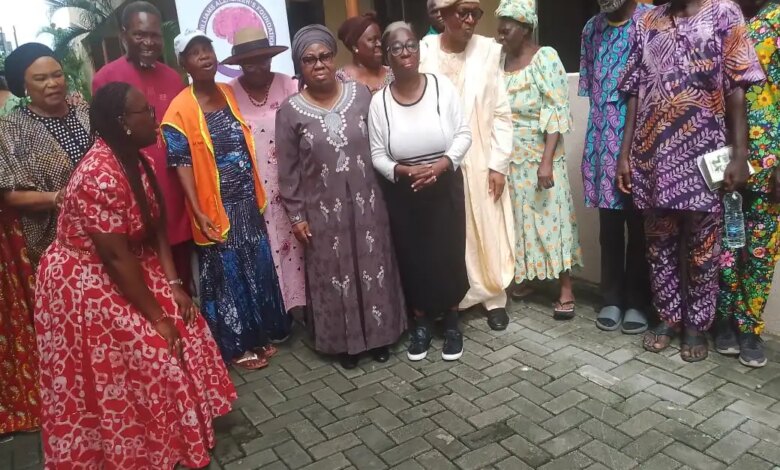
This concern took centre stage on June 13, 2026, when the Gabi Williams Alzheimer’s Foundation convened a panel discussion in Lagos to commemorate World Elder Abuse Awareness Day under the theme, “Be Bold … Age With Attitude.”
Held at the Church of the Resurrection in Victoria Island, the event brought together advocates, legal experts, healthcare professionals, government representatives and faith leaders to examine how society can move beyond awareness and take practical action to protect older persons.
A Changing Society, A Growing Problem
Opening the discussion, Administrator of the Gabi Williams Alzheimer’s Foundation, Olatoun Gabi-Williams, highlighted how migration, urbanisation and economic pressures are reshaping family life in ways that leave many older people vulnerable.
“Many younger people have relocated abroad or moved to different cities in search of opportunities,” she observed. “Communities are changing, economic pressures are increasing, and families are more scattered than ever before.”
The consequence, she said, is that many elderly people are experiencing emotional neglect, often without anyone recognising it as abuse.
“Today, we want to shine a light on a form of elder abuse that is often hidden in plain sight—neglect,” she said. “Not only physical neglect, but emotional neglect: loneliness, isolation, being forgotten, being left out of family decisions, community life and everyday human connection.”
Her remarks touched on a reality affecting countless families across Nigeria. While children may provide financial support from afar, many elderly parents continue to struggle with the absence of companionship, care and meaningful social engagement.
“Older people do not ask for much,” she noted. “They simply want dignity, respect, presence and a sense of belonging.”


Reimagining Ageing Through Art
One of the most inspiring moments of the event came from Nigerian artist and creative technologist, Malik Afegbua, whose globally acclaimed “Elders Series” uses artificial intelligence and digital art to challenge stereotypes about ageing.
Afegbua showcased images and videos depicting elderly African men and women confidently striding down fashion runways in elegant Afrocentric attire. Far from portraying old age as a period of decline, the project presents seniors as vibrant, stylish and socially relevant.
The work has attracted international attention for challenging ageism and encouraging society to see older people as active contributors rather than passive recipients of care.
Afegbua revealed that the inspiration for the series came after his mother suffered a stroke. Rather than focusing on illness and decline, he wanted to create images that celebrated joy, vitality and possibility in later life.
His message was clear: ageing should not mean invisibility.
By placing elderly Africans at the centre of glamorous visual narratives, Afegbua is helping to restore dignity and visibility to a demographic often pushed to society’s margins.
The Emotional Cost of Migration
The discussion also explored the impact of migration on elder care.
Human rights lawyer Opeyemi Owolabi shared a deeply personal story about being unable to attend his mother’s burial because he was overseas. The experience, he said, continues to haunt him emotionally.
While acknowledging the economic realities driving migration, Owolabi argued that Nigeria urgently needs stronger legal protections for older persons.