US strikes on Iran have raised fears of a new Middle East escalation after President Donald Trump accused Tehran of violating a fragile ceasefire with a drone attack on a commercial ship in the Strait of Hormuz. British travellers and businesses are being urged to watch official advice and market updates closely as tension returns to one of the world’s most important shipping routes.
The US military said it carried out strikes on Iranian missile and drone facilities on Friday, 26 June, in response to an attack on a commercial vessel travelling through the Strait of Hormuz.
US Central Command said the operation was a “powerful response” to what it described as aggression against commercial shipping.
The incident has put fresh pressure on the ceasefire between Washington and Tehran, which had only recently offered hope of easing months of tension in the Gulf.


Related news:
Trump extends Iran ceasefire
Iran reopens Strait of Hormuz as oil prices drop amid ceasefire
US lawmakers split over Trump’s ceasefire, calls for impeachment, review emerge
Iran has not accepted the US version of events. Iranian officials have argued that ships using the route must follow rules agreed with Tehran and coordinate with Iranian authorities before passing through the strait.
That disagreement is now at the centre of the crisis.
Why the Strait of Hormuz matters
The Strait of Hormuz is a narrow sea route between Iran and Oman. It is used by oil tankers, gas carriers and cargo ships moving between the Gulf and the rest of the world.
Any disruption there can affect fuel prices, shipping costs and supply chains far beyond the Middle East.
That is why the latest US strikes matter to people outside the region, including households and businesses in the UK.
If the situation worsens, energy markets could become more nervous. Shipping companies may also delay journeys, change routes or increase insurance costs.
The latest trouble began after a commercial ship was reportedly hit near the strait. US officials blamed Iran and said the attack violated the ceasefire.
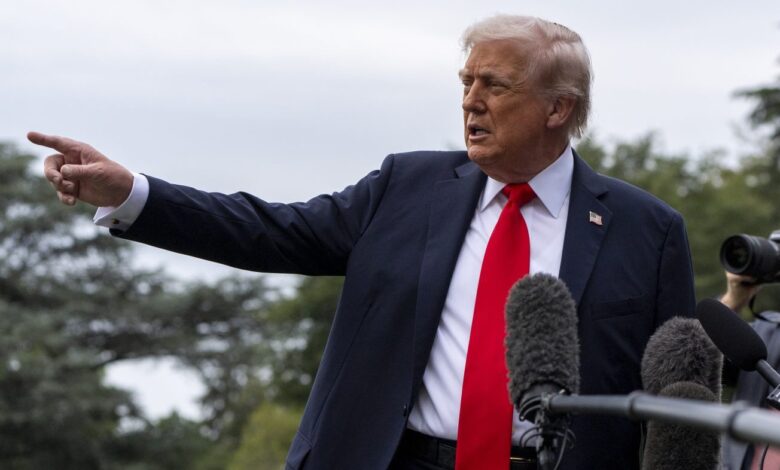
Trump had earlier warned that there would be consequences. When asked whether the US would respond, he told reporters: “You’ll find out.”
Hours later, US forces launched strikes on Iranian targets.
Vice President JD Vance also defended the response, saying that if Iran had concerns about the ceasefire, it should raise them through talks, not violence. He warned that “violence will be met with violence”.
The US says the strikes were limited and aimed at military sites linked to missiles and drones.
But any attack on Iranian territory carries risk. Tehran has warned before that it could respond if it believes it has been attacked unfairly.
The renewed tension also affects diplomatic efforts. Washington and Tehran had been trying to hold together a ceasefire framework that included shipping access, regional security and Iran’s nuclear programme.
Those talks are now under pressure.
The United Nations’ maritime body has also paused a plan to help ships move safely through the Gulf after the latest attack. This shows that the security risk is not only political. It is already affecting shipping.
For ordinary people, the main issue is uncertainty.
Oil prices can move quickly when traders fear disruption in the Gulf. Travel plans can also be affected if airlines change routes or governments update safety warnings.
The UK Foreign Office already advises against all travel to Iran. British nationals in or near the region should check official travel advice before making decisions.
The wider fear is that one incident could lead to another. A drone attack on a ship can lead to airstrikes. Airstrikes can lead to retaliation. Retaliation can then threaten more shipping and draw more countries into the crisis.
For now, the US has framed its action as a response to a specific attack, not the start of a wider war.
But the ceasefire is clearly under strain.
The next few days will be important. If both sides return to talks, the crisis may be contained. If Iran retaliates, the region could face another dangerous round of conflict.
For readers, the key point is simple: the US has struck Iranian targets after a ship attack near the Strait of Hormuz, and the fragile ceasefire is now facing its toughest test yet.
Anyone planning travel in the region should follow official advice, while businesses and consumers should watch for possible changes in fuel, shipping and energy prices.